crab sandbox
Guests also ask:
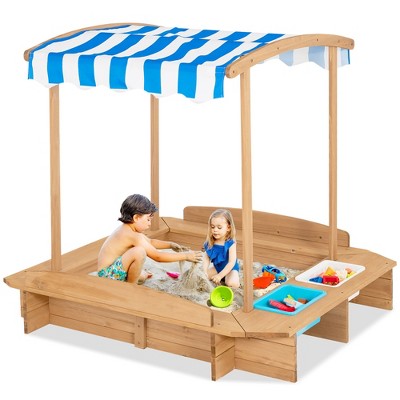
Common materials include solid cedar wood, HDPE (high-density polyethylene), generic plastic, and UV-resistant resin.
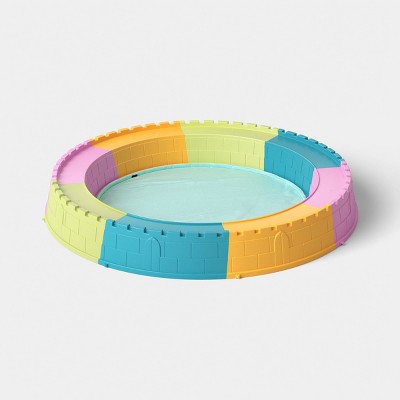
Sizes vary by model. Examples range from about 33.5" x 26" x 10" up to about 49.5" x 49.5" x 5.5", so widths/depths are roughly 33.5–49.5 inches and heights roughly 5.5–10 inches.
Target ages vary by model. Examples include listings for toddlers and young children, such as 1.5–5 years on one item and 3 years and up on another.
Capacity varies by model. Example figures from listings include a sand capacity of about 100 lbs on one model and up to 685 lbs on another. Built-in seats may list separate load limits (one listing shows 66 lbs per seat). Check the specific product specifications for exact sand and seat weight limits.
Many models have molded or built-in seats. Examples include designs with two molded-in seats and others with four built-in seats featuring animal patterns.
Assembly varies by model. Some plastic crab sandboxes require no assembly and are ready to use, while wooden sandpits typically need simple installation following the included instructions.
Designs differ by material: wooden sandpits often use a bottomless design for natural drainage and ventilation, while plastic crab sandboxes typically have a sealed floor and may include a removable cover for protection.
Crab sandboxes support sensory play and gross motor development. At least one listing explicitly notes sensory development and gross motor skills as educational focuses.
Durability depends on material: cedar wood models are described as solid and sturdy, while some plastic models use UV-resistant resin to improve outdoor weather resistance.