curry paste
Guests also ask:
Common labels include Vegan and Gluten‑Free. Some listings call out 'sodium free' or note the absence of major allergens, and others highlight 'no artificial colors.'
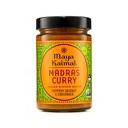
Spiciness descriptions vary: some pastes are labeled 'spicier' (for example, Madras), others are described as 'hot and sour' or 'fragrant,' and many indicate heat through ingredients such as crushed chili.
They are sold as a paste and described as 'ingredient‑ready,' meaning they are intended to be used as a cooking ingredient rather than as a finished meal.
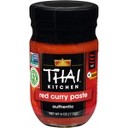
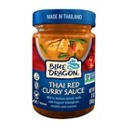
Many pastes come in resealable glass jars and are shipped with protective packaging (bubble wrap and boxing). Product details commonly advise refrigerating or freezing the jars until needed.
Common ingredients include water or tomato/tomato purée bases; vegetable or seed oils; various spices; dried onion, garlic, and ginger; sugar; modified corn/maize starch; salt; chili or paprika extracts; acids such as citric or acetic acid; and flavorings like fenugreek.
Listings show single‑jar options (Package Quantity: 1) and multi‑jar packs (for example, Package Quantity: 6) in the product details.