Target New ArrivalsHalloweenChristmasGift IdeasClothing, Shoes & AccessoriesHome & DecorKitchen & DiningPatio, Lawn & GardenGroceryHousehold EssentialsBabyBeautyTarget Beauty StudioPersonal CareSports & OutdoorsPetsHealthWellnessSchool & Office SuppliesToys & GamesElectronics & TechVideo GamesBooks, Music & MoviesParty SuppliesGift CardsShop by CommunityTarget OpticalDealsClearanceNew ArrivalsBack to SchoolCollegeTop DealsTarget Circle DealsWeekly AdShop Order PickupShop Same Day DeliveryRegistryRedCardTarget CircleFind Stores

emotional intelligence game

1,000+ results for “emotional intelligence game”
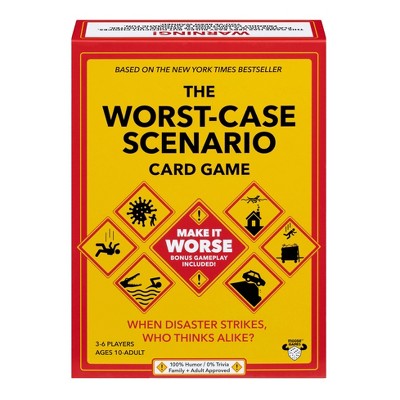
The Worst-Case Scenario Card Game - Bonus Edition

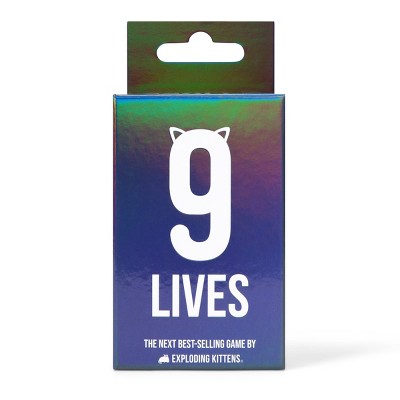
Exploding Kittens 9 Lives

$9.99
4.8(46)
Loved for: fun gameplay

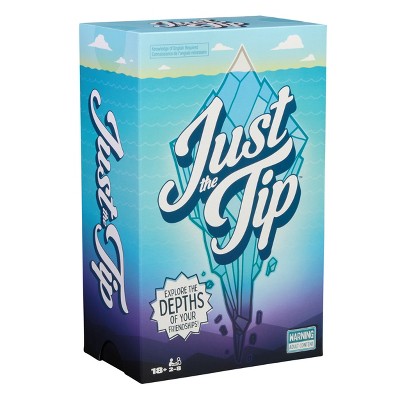
Spin Master Games Just the Tip Card Game

Jackpot Rush What Do You Meme? Board Game

$9.99

Sponsored

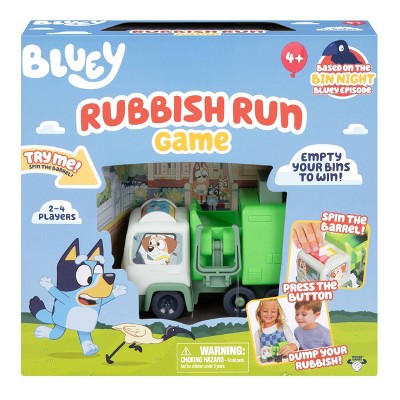
Bluey Rubbish Run Game

$19.99
4.6(23)
Loved for: educational

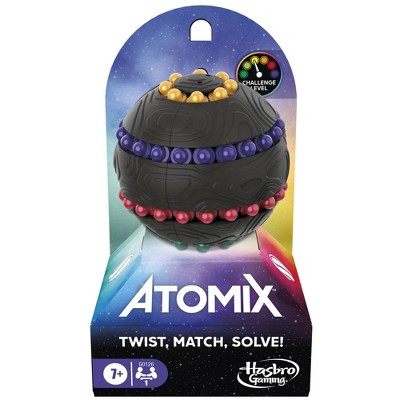
Atomix Game, Brainteaser Puzzle Sphere and Fidget Toy

$6.99
reg $9.99
Clearance

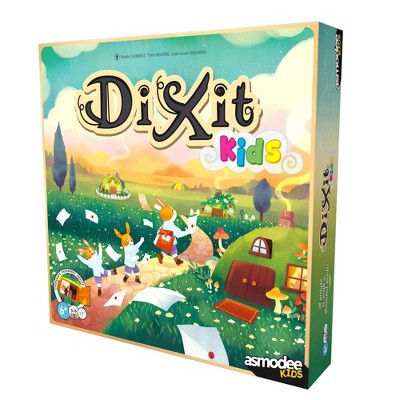
Asmodee Dixit Kids' Board Game

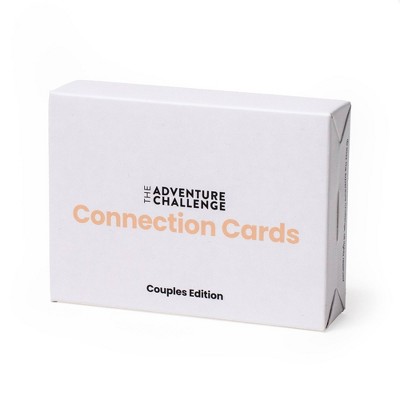
From Me To You Game [For Couples]

$24.99
DSS GamesOnly at target
4.6(32)
Loved for: thoughtful prompts

Sponsored

Powered by AI

Guests also ask:

Offerings span early childhood through adulthood. Many titles target preschoolers (around 2–3 years) up through teen and adult levels — product listings in this set show starting ages such as 2, 3, 5, 6, 8, 15 and 18. Check each product’s recommended age range to match the activity to the player’s developmental level.

Player counts range from solo play to small groups. Listings include solo or “1 or more” options, 1–4 players, 2 players, and group ranges such as 2–6 players — check the product listing for the recommended player count.

Yes — some games are explicitly designed for pre‑readers and nonverbal learners, using clear illustrations, matching tiles and identical pairs so players can learn emotions visually without reading.

These games are marketed for family and classroom use, and several are noted as suitable for therapists, counselors and clinical or school settings. They can be used at home, in educational programs, and in therapeutic contexts depending on the title.

Many titles use scenarios, reflective prompts and cooperative challenges to help players identify pre‑bullying situations, name and reflect on emotions, practice conflict‑resolution strategies, and explore ways to respond or prevent bullying.

Get top deals, latest trends, and more.