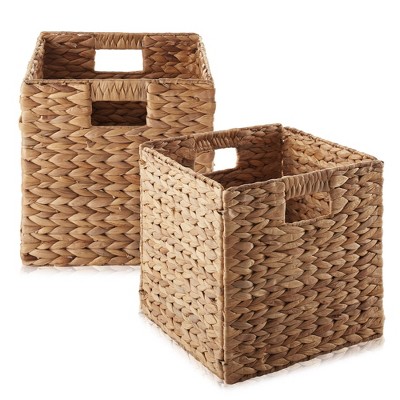
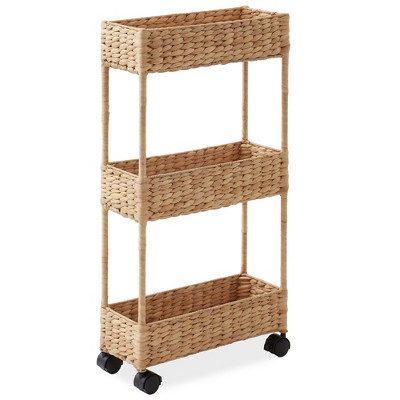
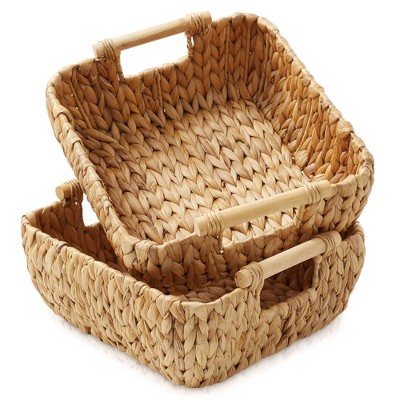
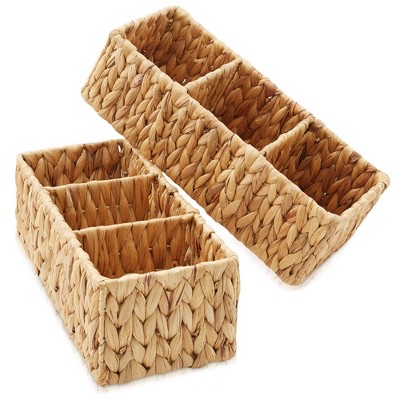
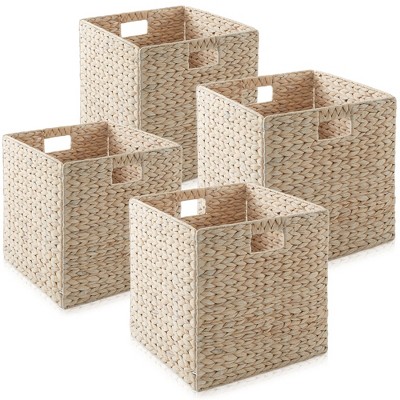
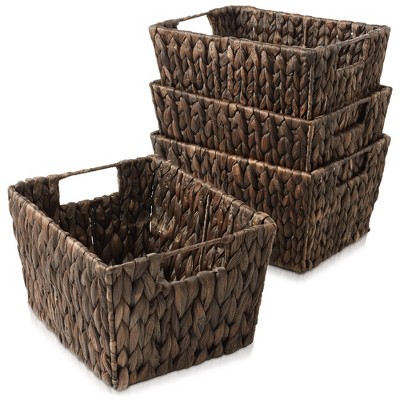
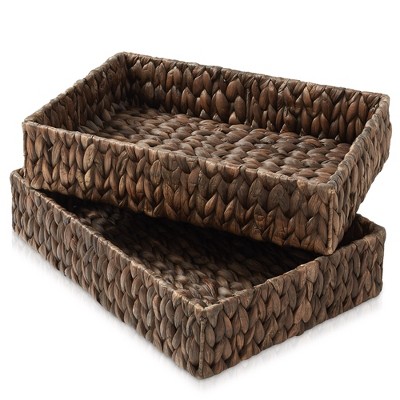
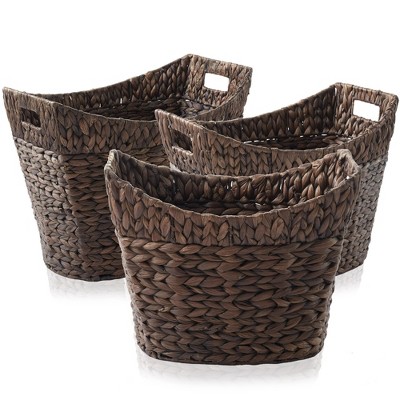
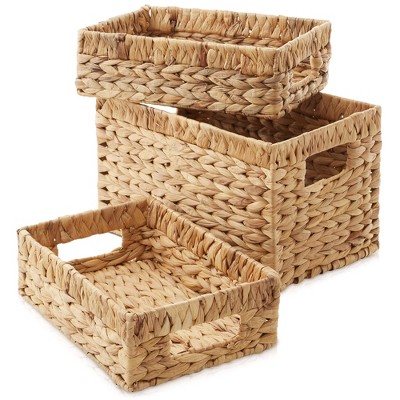
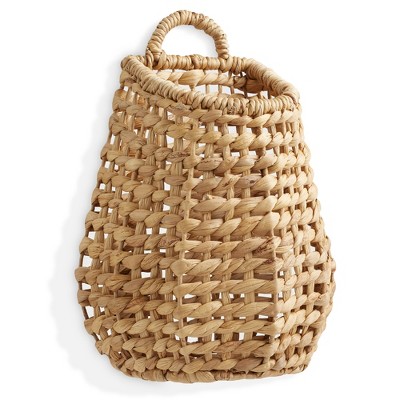
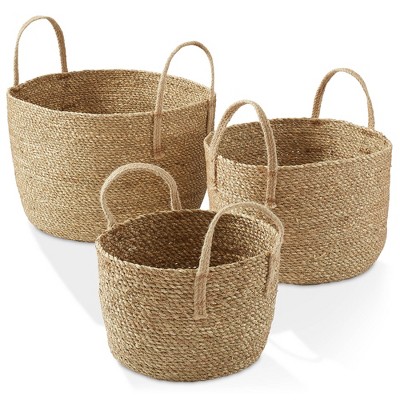
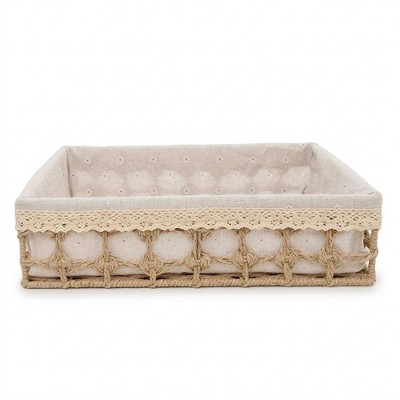
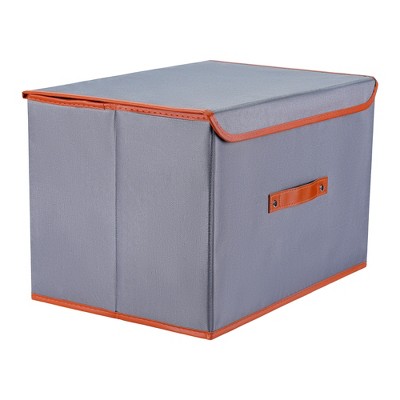
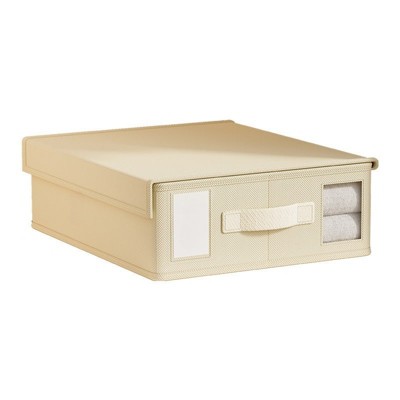
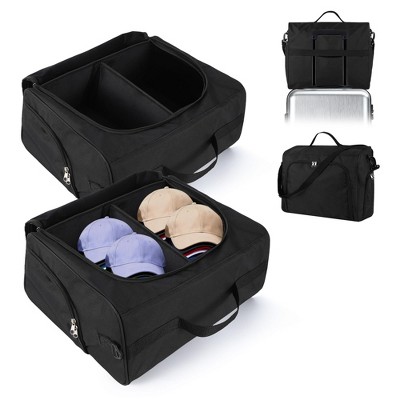
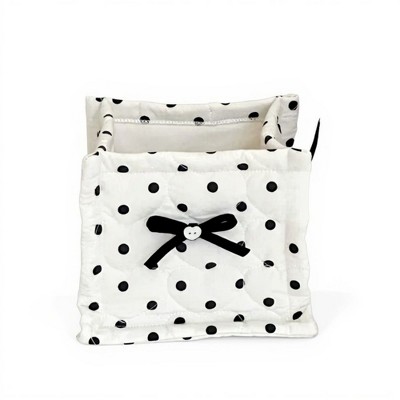
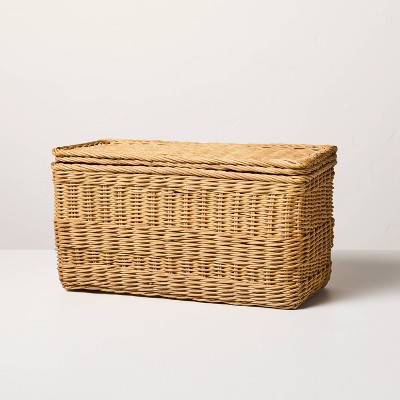
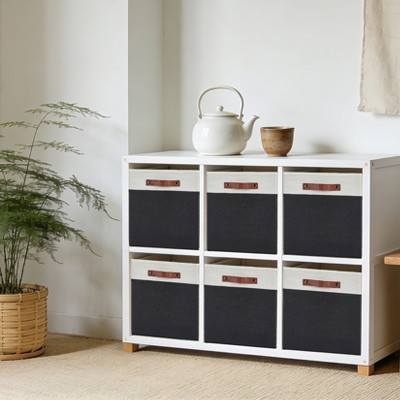
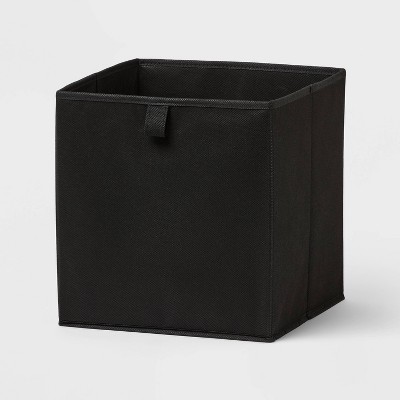
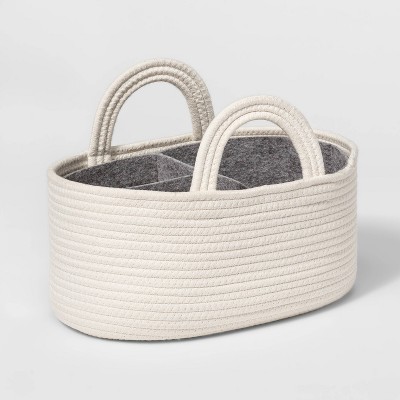
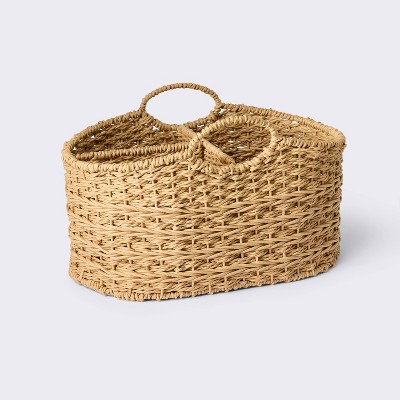
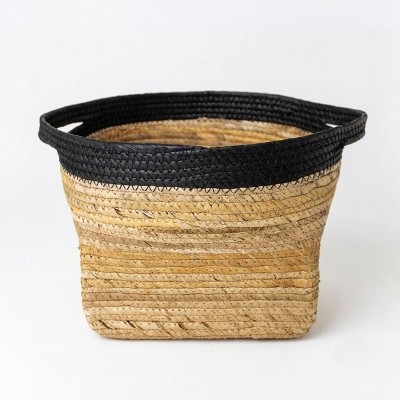
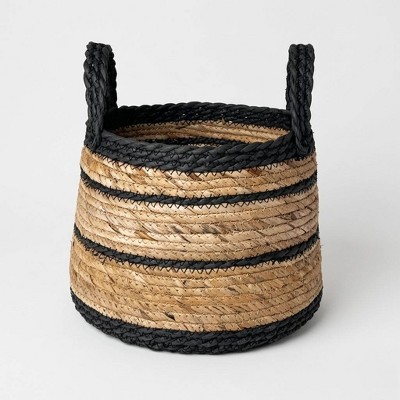
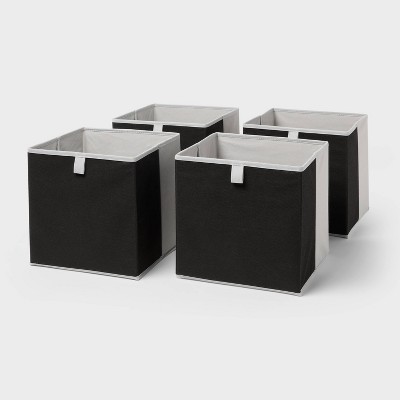
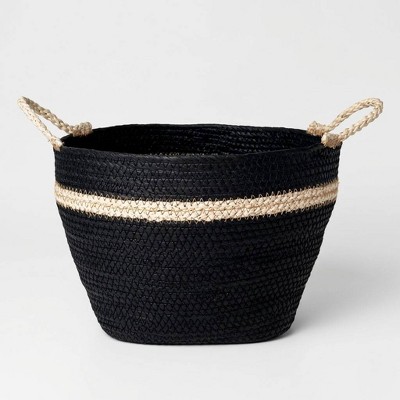
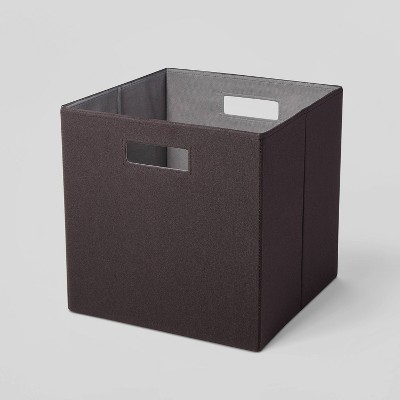
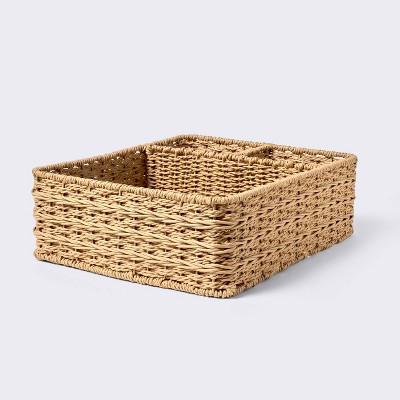
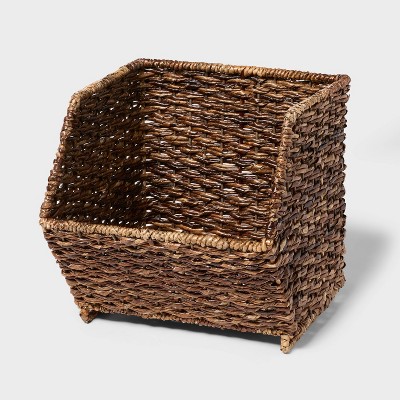
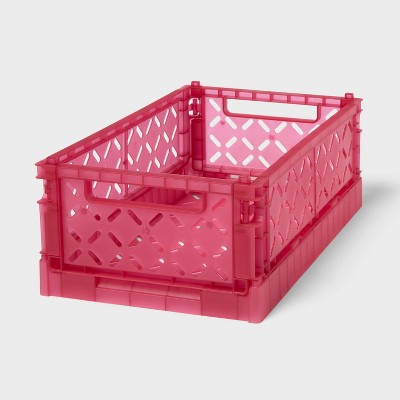
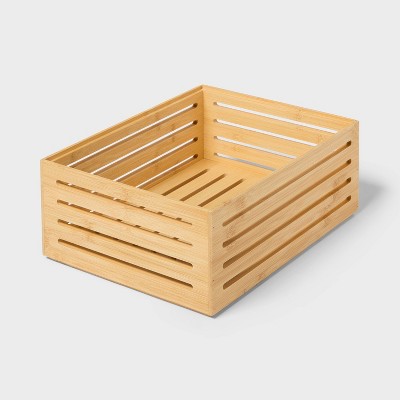
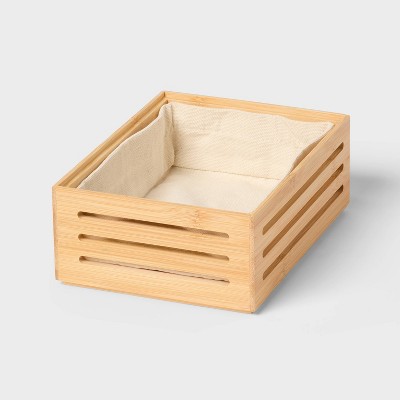
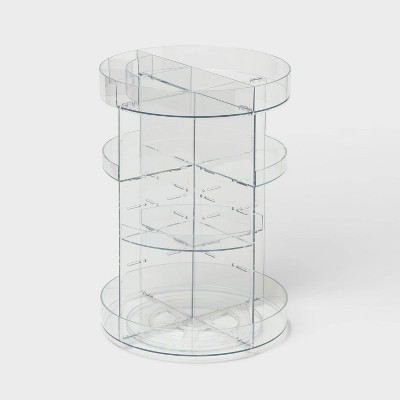
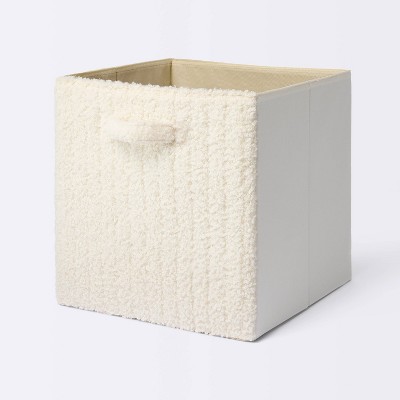
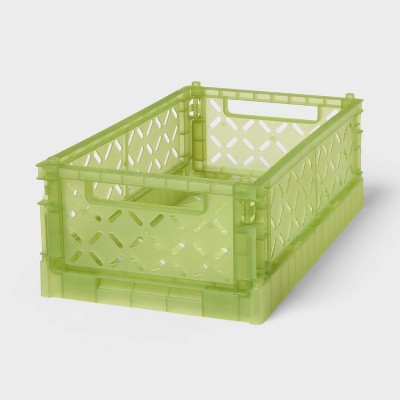
Storage capacity varies widely: listings show volumes from a few hundred cubic inches up to several thousand (examples include 576, 864, 1,728 and 5,437.5 cubic inches), and some products list capacities in quarts or liters (for example, 80 quarts and 55.6 liters). Weight-support depends on construction—some basic boxes note support around 20–30 lbs, while reinforced wheeled under-bed containers are described as supporting heavier loads (an example lists up to 60 lbs). Check each product’s specifications for exact capacity and load limits.
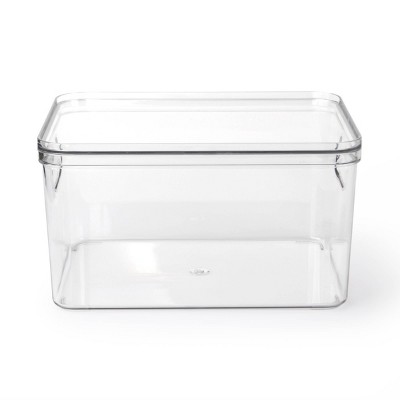
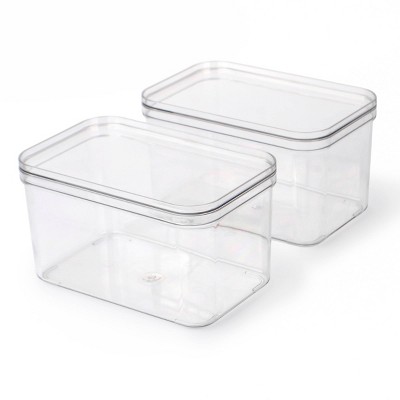
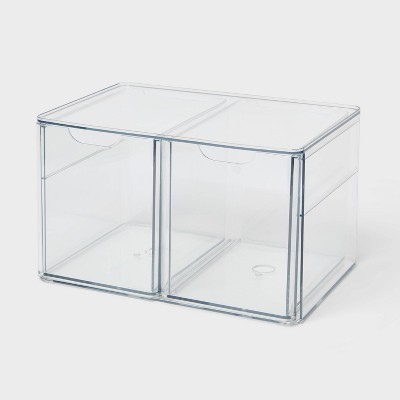
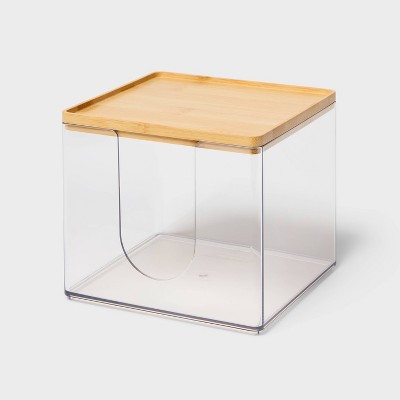
Clear or transparent lids and top panels provide quick visibility of contents, making identification easier. Opaque, hinged, Velcro, or zippered lids keep items contained and help protect contents from dust—lid type determines how easy it is to view versus fully seal items.
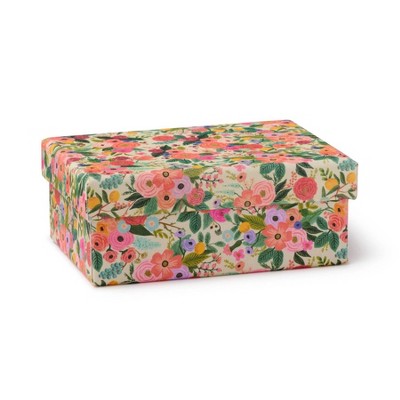
Common closure methods include zippers, Velcro-secured lids, lift-off/removable tops, and hinged lids that open partially or fully. The specific closure depends on the bin’s design.
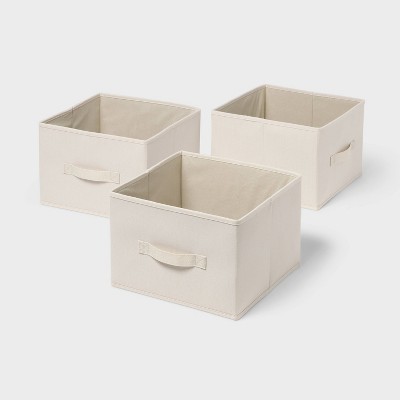
Some fabric bins are designed to be stackable to save vertical space, while many styles fold flat or collapse when not in use. A removable bottom is sometimes included to make folding and compact storage easier. Check the product details to confirm stackability and folding features.
Wheeled under‑bed containers typically use swivel or multi‑directional wheels to glide across floors for easier access. Reinforced wheeled designs are described as supporting heavier loads (an example listing cites up to 60 lbs), but load capacity varies by model—check specs for exact limits.