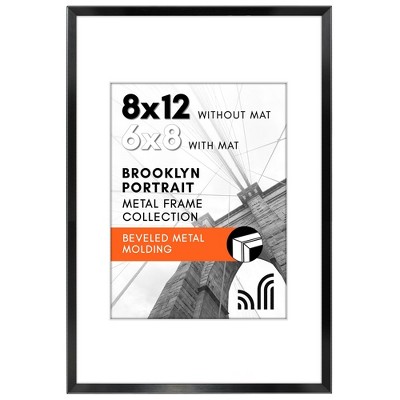
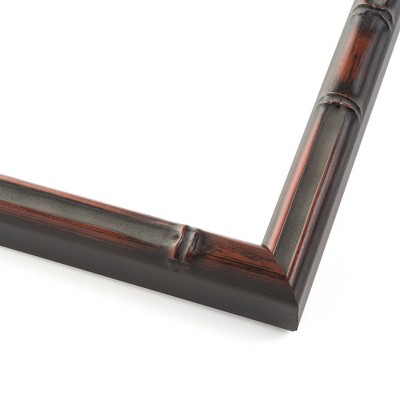
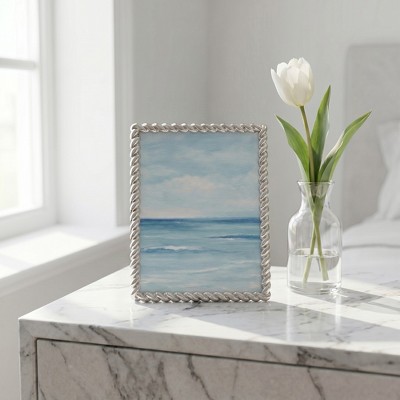
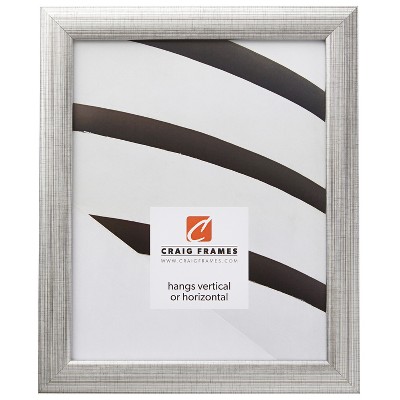
Options depend on the style: tabletop frames typically include easel backs or matching bases; wall frames include sawtooth hangers or other wall-mount hardware; some designs are tabletop-only with no wall mounting.
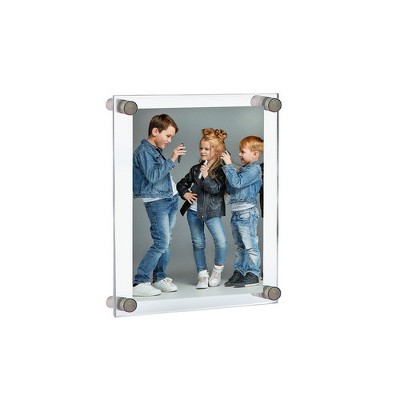
Most of these thin metal floating frames use glass glazing—glass panes that sandwich the image—to protect and create the floating effect.
Many pressed-glass locket-style tabletop frames use a sliding locket closure: slide the top bar up to release the clasp, place the photo between the glass panes, then slide the bar back down to lock the panes together.
Sizes and weights vary widely by model. Example small tabletop locket frames list compact dimensions (for example ~0.59 in × 4.72 in) and weights under an ounce, while wall float frames can be much larger (for example ~15.6 in × 11.5 in) with weights around 1.7 pounds. Check each product page for exact dimensions and weight.
The floating effect is created by sandwiching the photo between two glass panes so the image appears suspended. Smaller photos are commonly taped to the inner glass pane (a small piece of tape) to hold them in place.