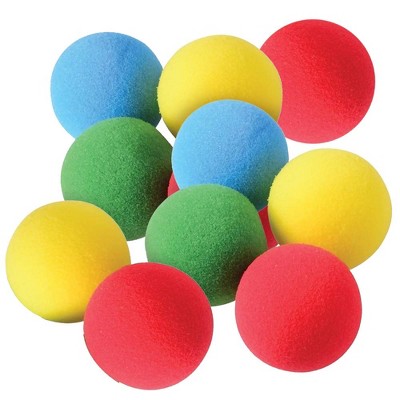
Foam practice balls appear in a range of diameters — from about 1.68 inches (golf practice balls) up to roughly 7 inches for mini basketball‑style balls — with other common sizes around 2, 2.92, and 3.5 inches.
Many foam practice balls are marketed as silent or quiet for indoor use. Some pickleball foam practice balls are specified at about 60 dB (around a normal conversation), while typical regular balls are often louder (around 70–90 dB). Actual noise depends on the ball design and the surface it contacts.
Age recommendations depend on the product: some sets target toddlers (about 1–3 years), many toys list suitability from 3 years and up, and several sport practice balls recommend ages like 6 years and up or 10 years and up.
Many foam practice balls are described for indoor use or for both indoor and outdoor play; some specifically call out indoor training, while others note suitability across court surfaces and temperatures.
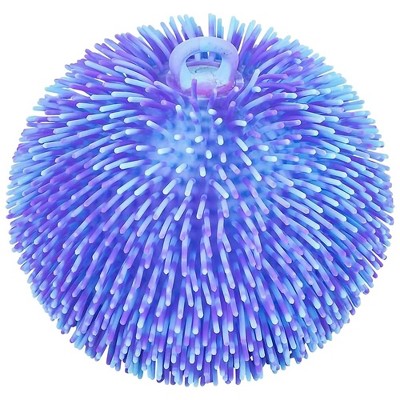
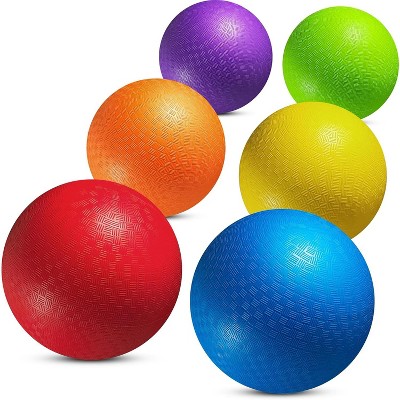
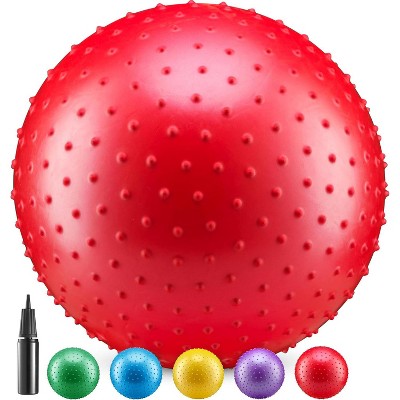
Many foam practice balls include molded hand grips, textured or soft coated shells, dimpled patterns, or other surface textures to improve grip, handling, and tracking.