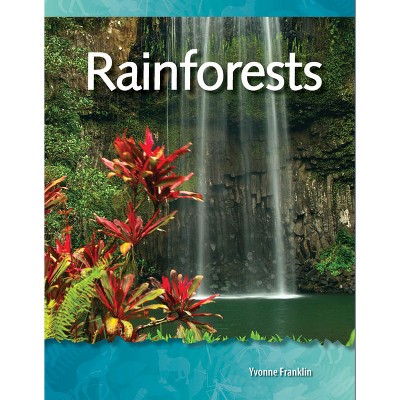
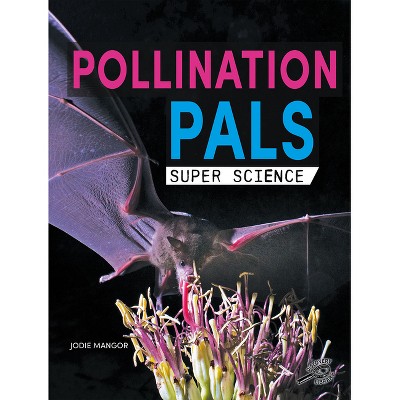
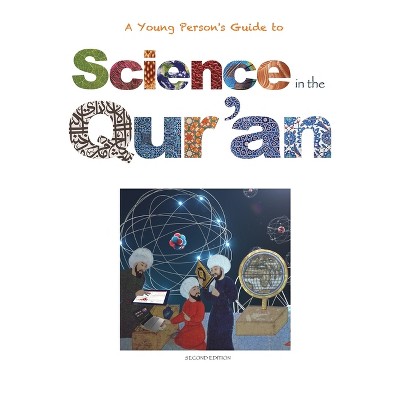
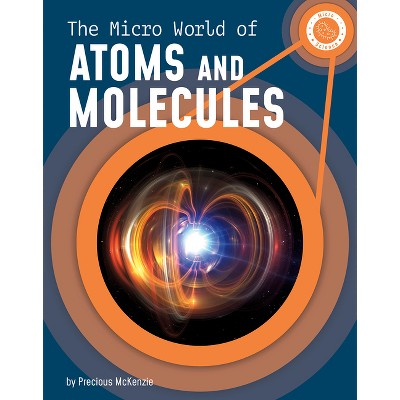
Typical Grade 4 topics include life systems (habitats and communities), physical science (matter and energy such as light and sound), structures and mechanisms (pulleys and gears), and earth and space systems (rocks and minerals), plus general life, physical, and earth/space science with STEAM connections to society and the arts.
Activity counts vary by resource: some list about 150 activities, while others emphasize hands-on tasks and include coding activities in most lessons rather than providing a single total activity count.
These Grade 4 science books commonly appear in spiral-bound and paperback formats.
Page counts vary widely across resources — examples range from about 24 pages up to 336 pages, with intermediate counts such as 144 and 176 pages; one series lists books as 24–32 pages.
Most items target Grade 4 students (typically ages 9–10 or listed as 'For ages 9 | Grade 4'). One teacher-focused resource lists a suggested age of 22 years and up.
Teacher supports include background information, complete lesson plans, materials lists, digital image banks and reproducibles, a four-part instructional process, and a developed assessment plan.
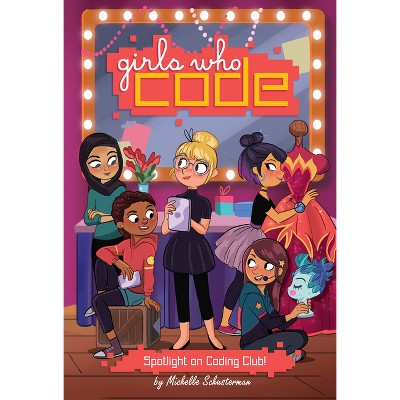
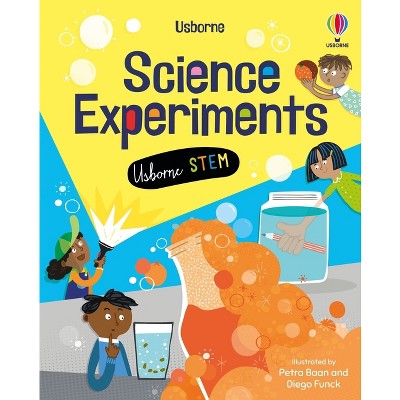
Resources promote STEM skills and hands-on learning, offer STEM/STEAM project ideas, and at least one resource explicitly includes both plugged and unplugged coding activities in nearly every lesson.
Resources include a fully developed assessment plan, standards and benchmarks, and test-style practice questions and formats to support test preparation.