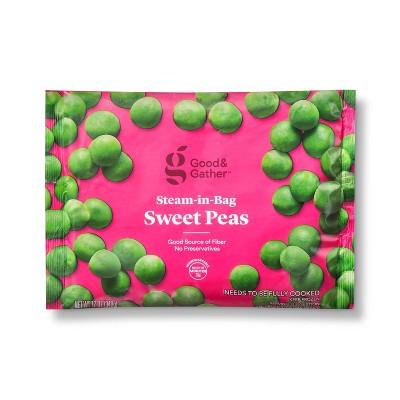
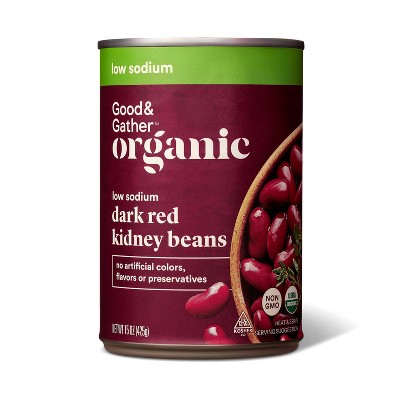
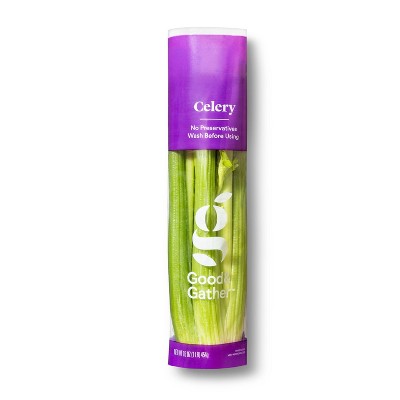
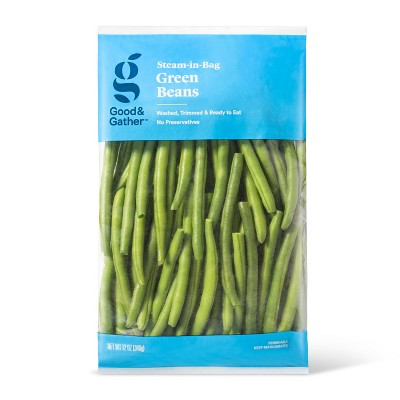
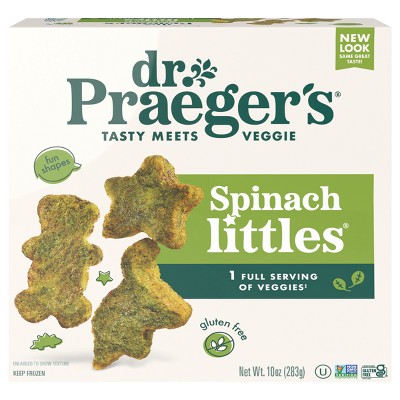
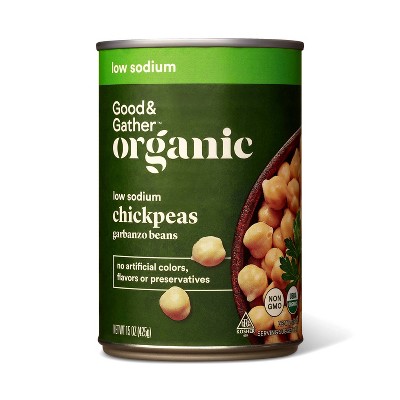
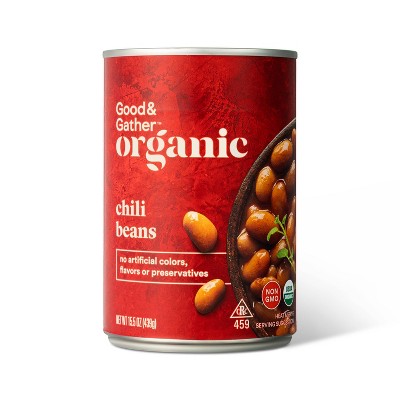
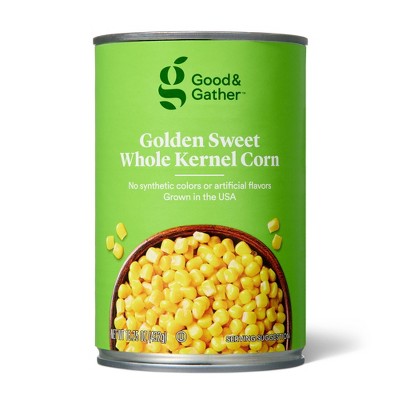
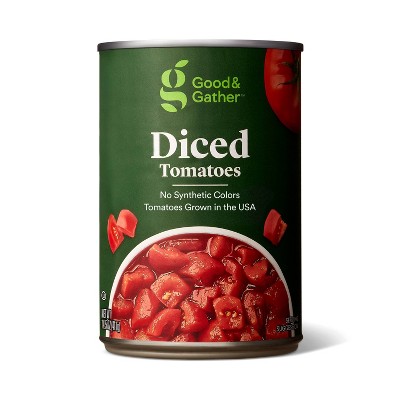
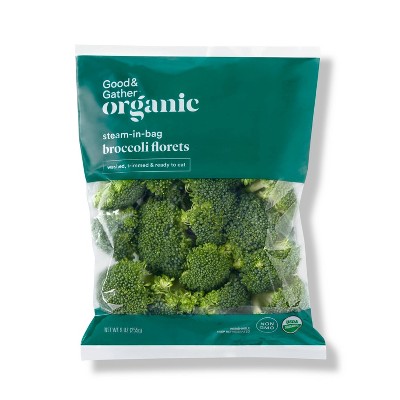
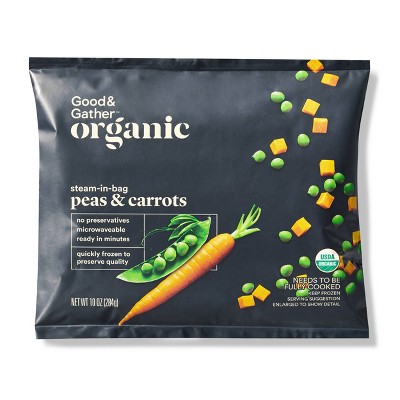
Most frozen vegetables are sold to be kept frozen and come in formats such as cubes, trays, and steam-in-bag packaging designed for microwave cooking or easy access. Keep packages frozen and sealed until ready to use to preserve quality.
Frozen rice and quinoa blends include a variety of vegetables such as red peppers, roasted corn, roasted onions, yellow peppers, peas, cherry tomatoes, carrots, sugar snap peas, spinach, and asparagus.
Frozen vegetable blends are promoted as quick side dishes or easy weeknight meal components. They pair well with proteins and can be served as a side or turned into a main by adding meat, tofu, or another protein.
These vegetables are sold in several forms, including shredded, crushed, chopped, whole, and shelled.
Packaging gives simple portion equivalents: a garlic cube equals one clove, a ginger cube equals one teaspoon of fresh ginger, and a 10-cube tray of sautéed chopped onion is noted as equal to about three onions.
Common label claims include 'No Artificial Flavors, Colors or Preservatives' and 'Non-GMO'. Some prepared items are labeled vegan and gluten-free, and several product descriptions note the items are made without a long list of '100+ unwanted ingredients'.
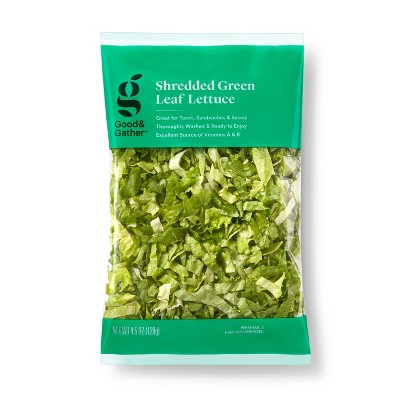
Shredded iceberg lettuce is described as washed and ready to serve straight from the bag. Green onions are noted to 'wash before using' and can be used either raw or cooked in recipes.