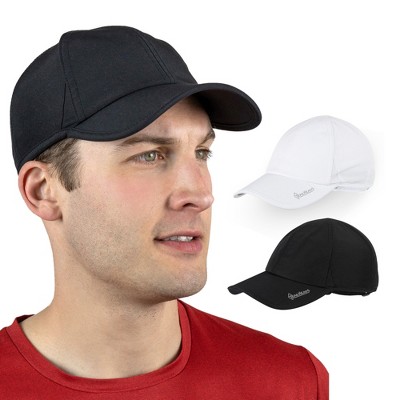
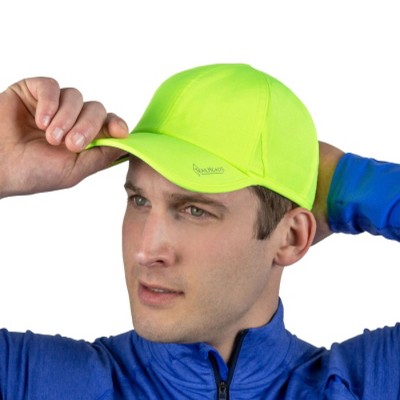
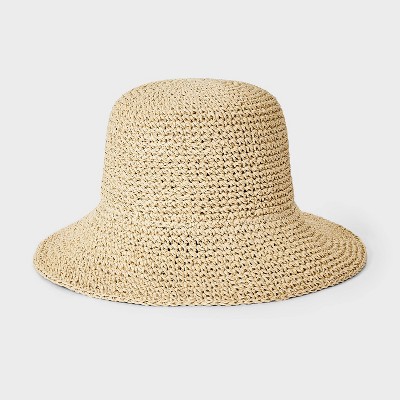
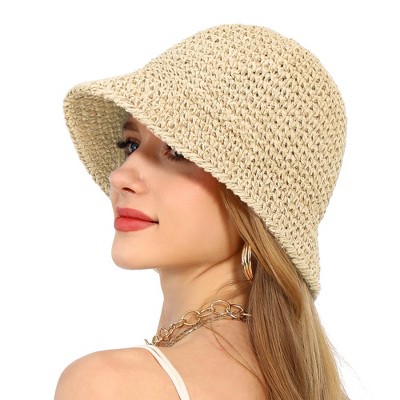
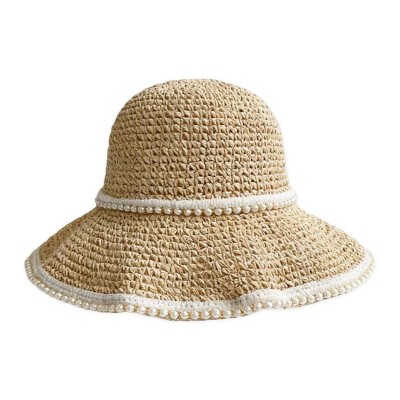
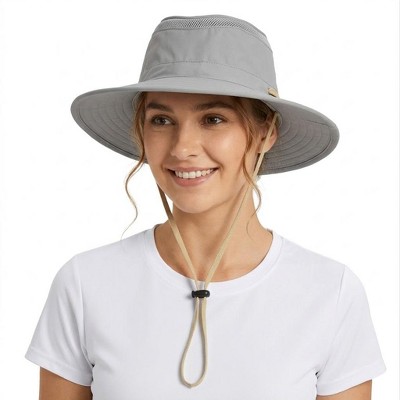
Many hiking hats advertise UPF 50+ protection, which is the highest common rating and indicates very strong blocking of ultraviolet radiation. Product descriptions typically note that UPF 50+ fabrics block roughly 98–99% of harmful UVA and UVB rays; some models also use UV-reflective coatings for additional protection.
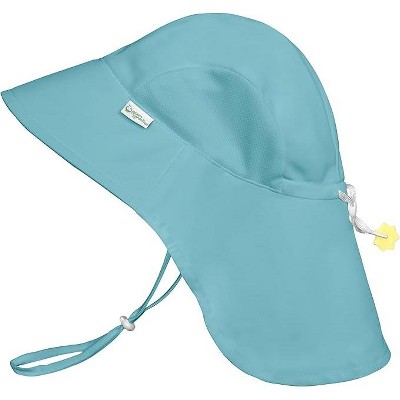
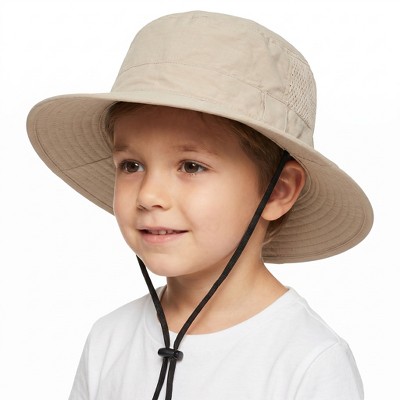
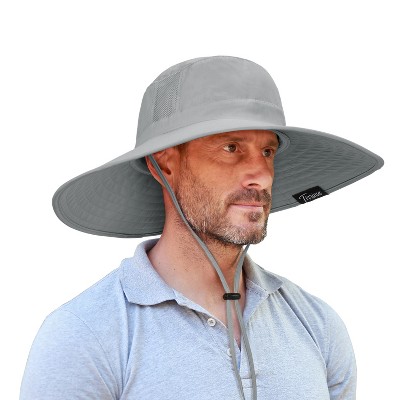
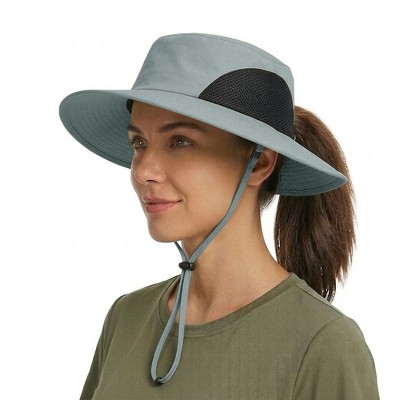
Sizing varies by model—some listings give specific head circumferences (for example, about 50–60 cm or roughly 22–24 inches). Many hats include adjustment features such as rear drawcords, internal head straps, and chin straps so you can fine-tune the fit and keep the hat wind-resistant.
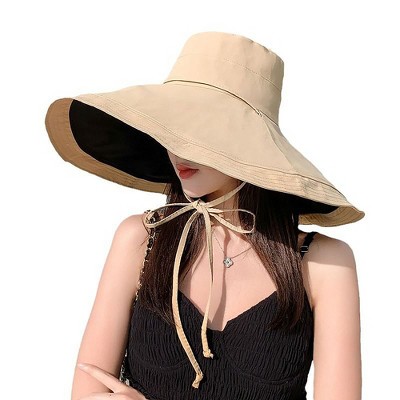
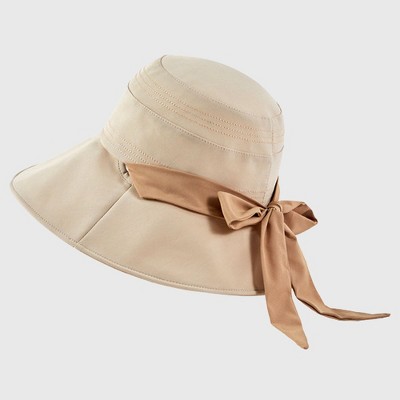
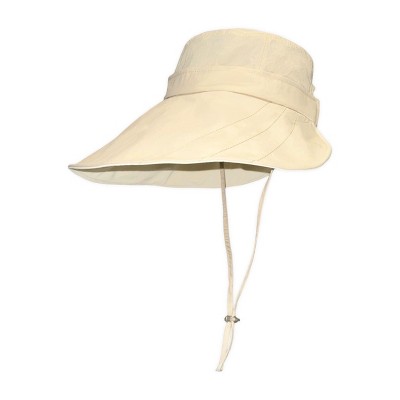
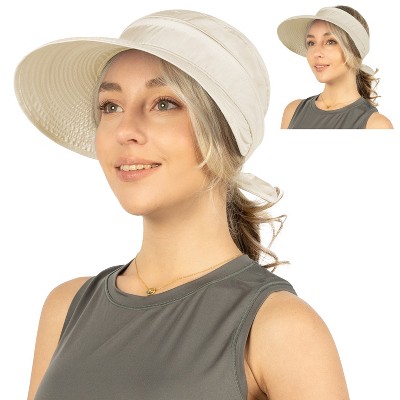
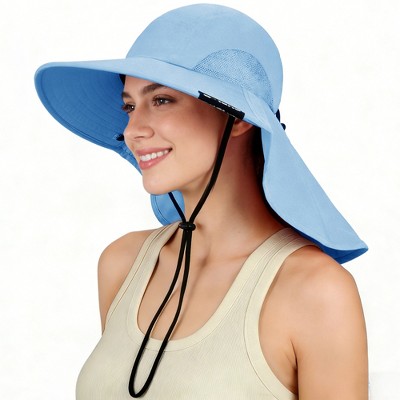
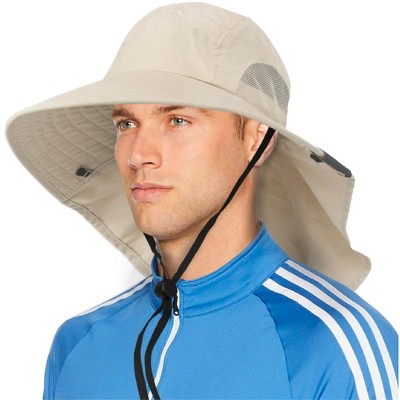
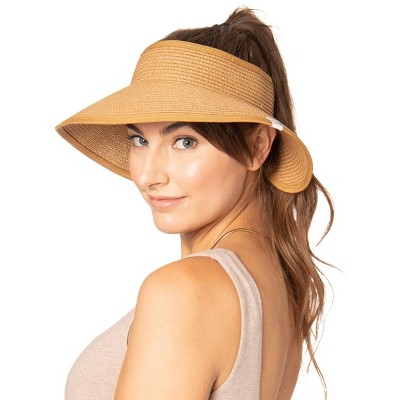
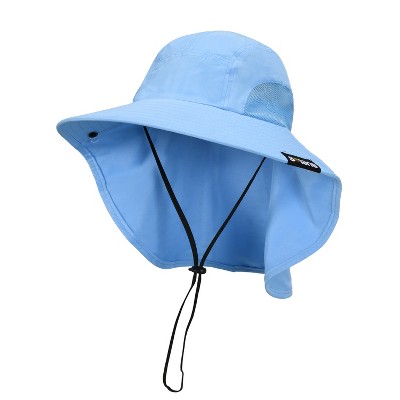
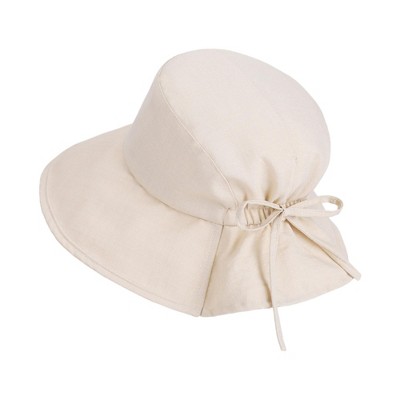
Many hiking hats provide extensive coverage for the face, ears, and neck through wide brims plus extended neck flaps (some listings show neck flaps around 8.5 inches). Several styles also include ponytail openings to accommodate long hair.
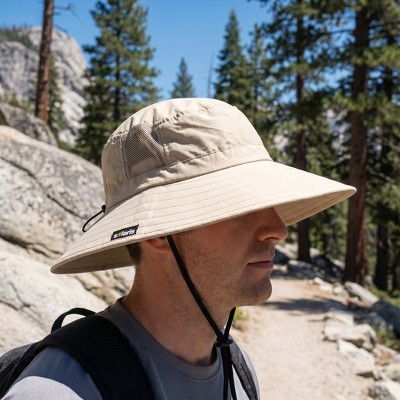
Common features include ventilated designs or mesh side panels, moisture-wicking sweatbands, and quick-dry fabrics. These elements help increase airflow and pull sweat away from the head to keep you cooler and drier on the trail.
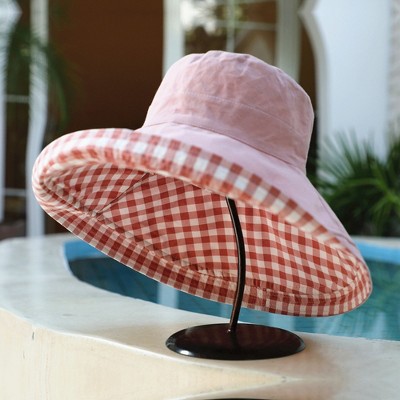
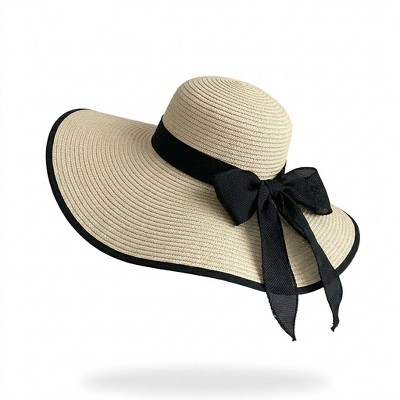
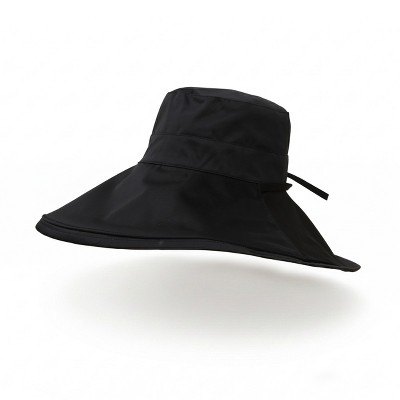
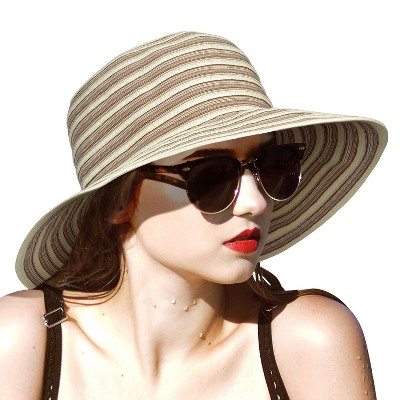
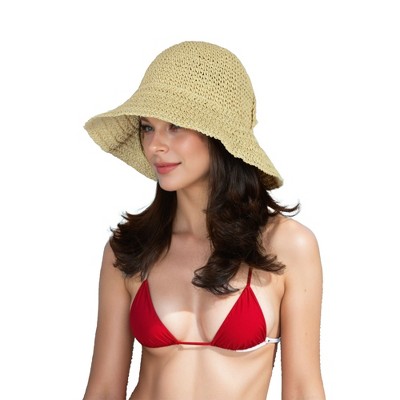
Brim lengths typically range from about 3 inches up to roughly 4.7 inches, with many options clustered around the 4-inch mark. Brim width affects sun protection and coverage, so choose a size that balances shade with visibility and packability.
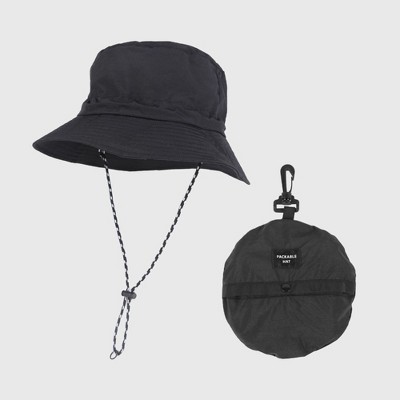
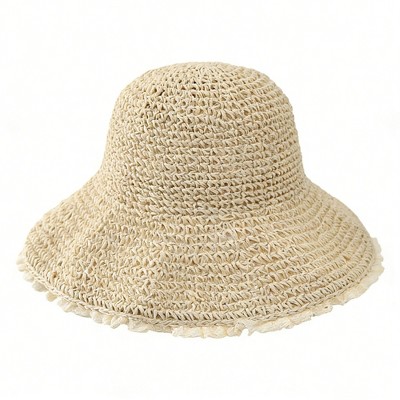
Many hiking hats are lightweight, foldable, and packable so they fit easily into backpacks, beach bags, or luggage. These designs make them convenient to carry for travel and day hikes.
Care varies by style: many hats recommend hand washing and line-drying or laying flat to dry; some are listed as machine-washable. Straw visors typically call for spot cleaning or wiping with a damp cloth. Always follow the specific care instructions on the product label.