learn thai language
391 results for “learn thai language”
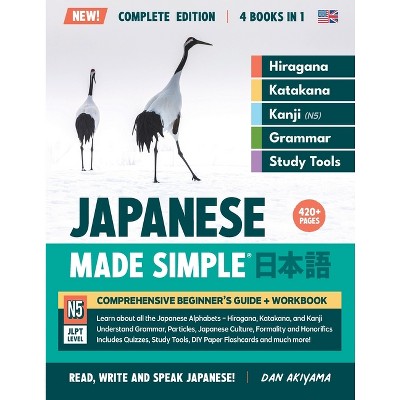
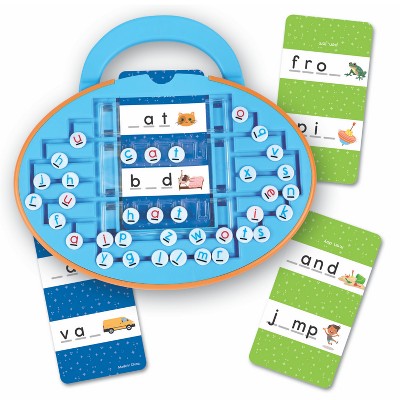
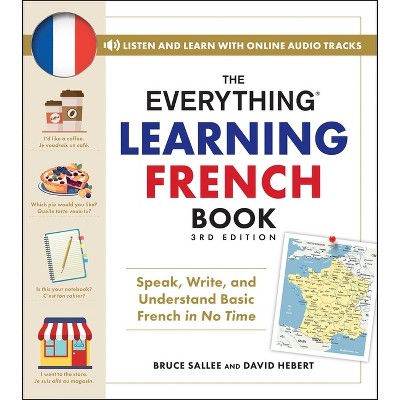
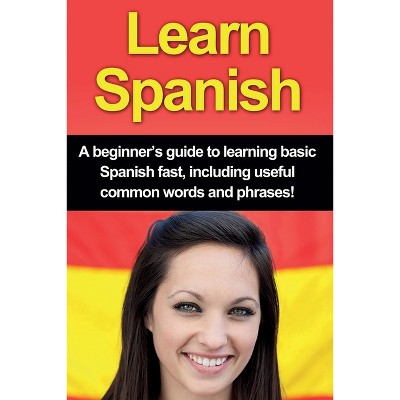
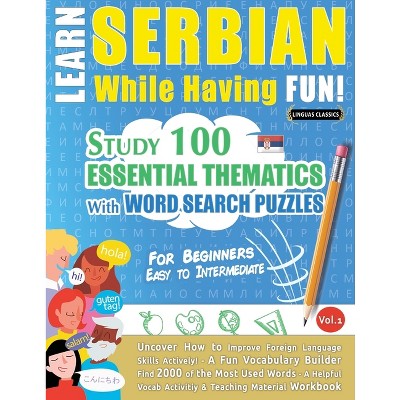
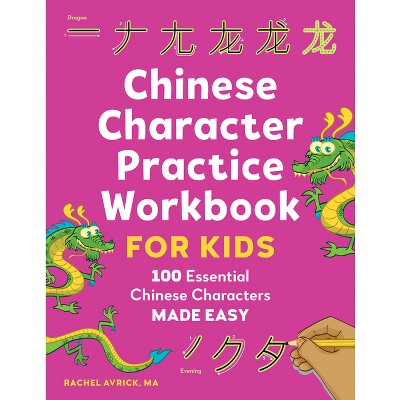
$9.79
was $11.99
New lower price
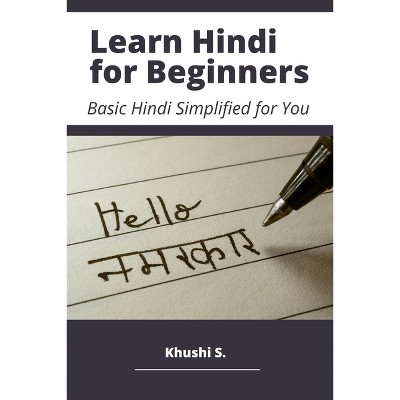
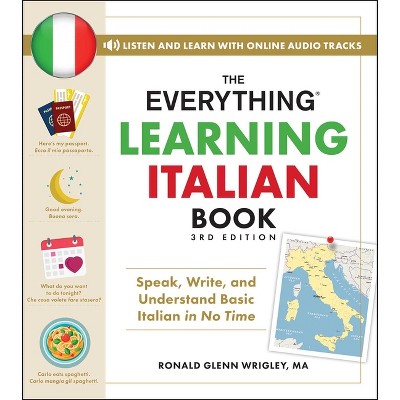

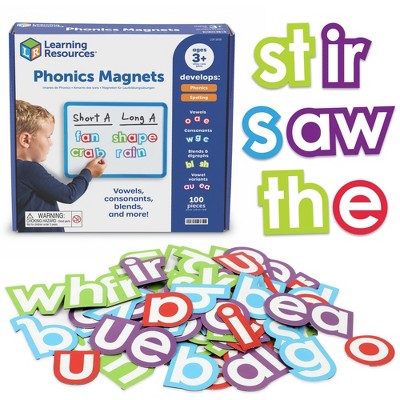
Sponsored

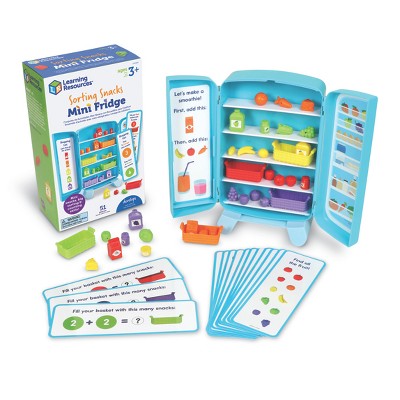
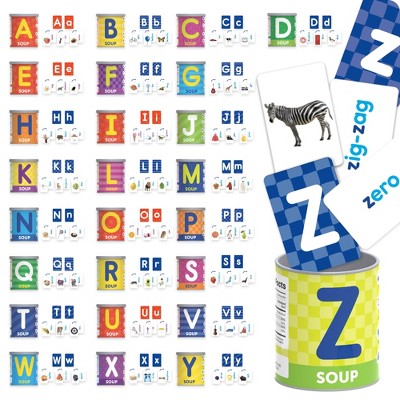
$23.99
Loved for: educational value
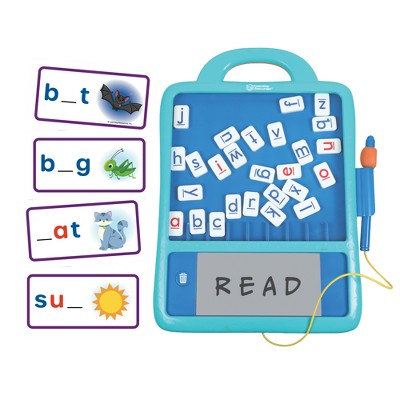
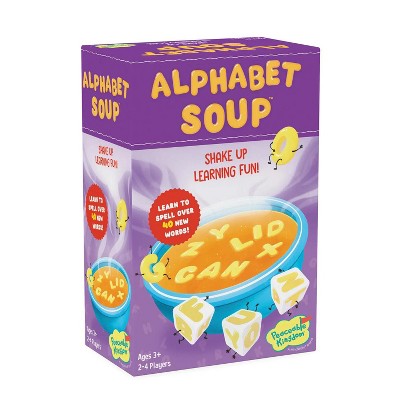

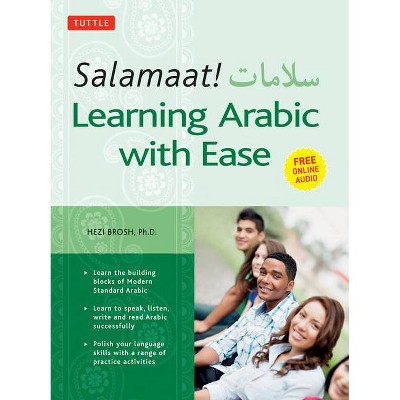


Sponsored
Powered by AI
Guests also ask:
Related searches
- english thai dictionary
- learn italian
- learn french
- learn english
- learn korean
- learn portugues
- learning indonesian language
- burmese dictionary
- learn portugese
- language nepali
- english malay dictionary
- montessori language
- get ready to learn
- grade 1 language
- living language spanish complete edition
- language afghanistan
- learning medical spanish
- hands on machine learning with scikit learn
- learn to read step 1
- tommy time
Trending now
- $12.76was $16.99 New lower price4.5 out of 5 stars with 2 ratings
- $11.99 - $25.99MSRP $16.96 - $27.995 out of 5 stars with 1 ratings
- $4.18 - $10.82MSRP $7.99 - $19.994.9 out of 5 stars with 282 ratings