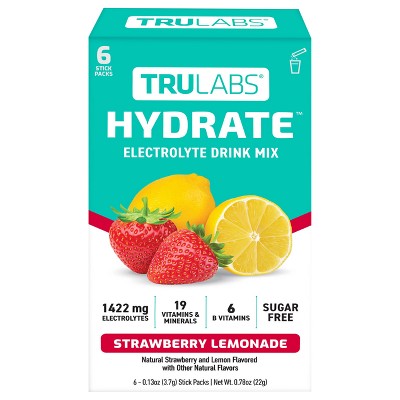
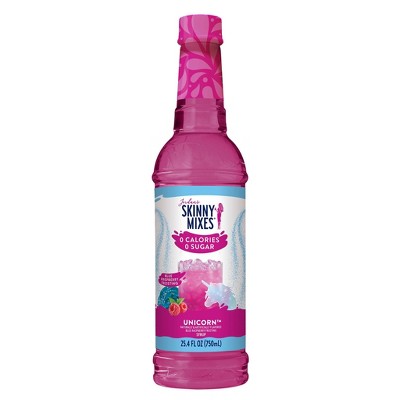
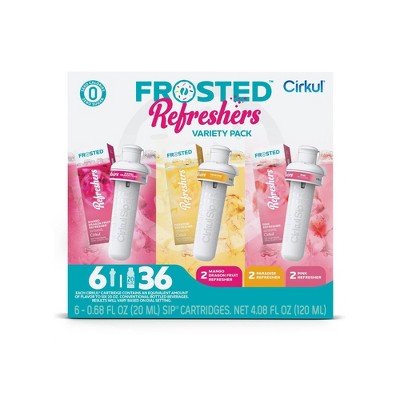
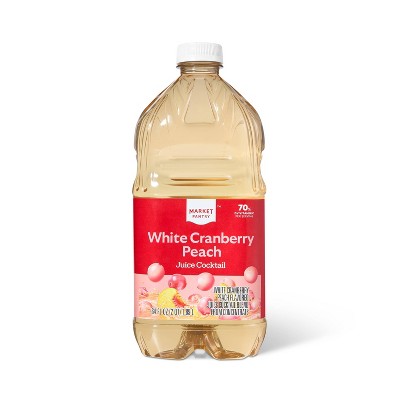
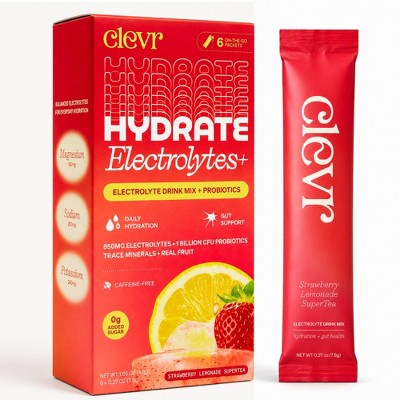
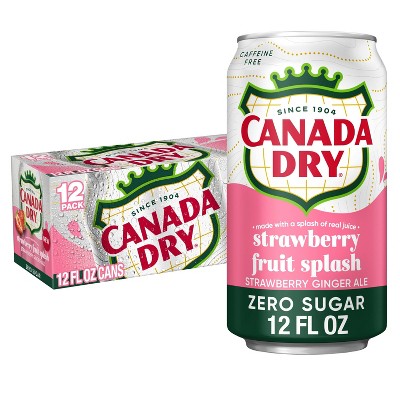
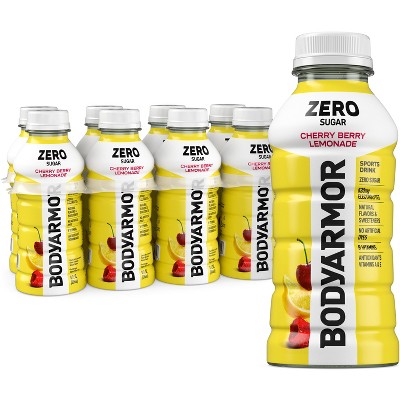
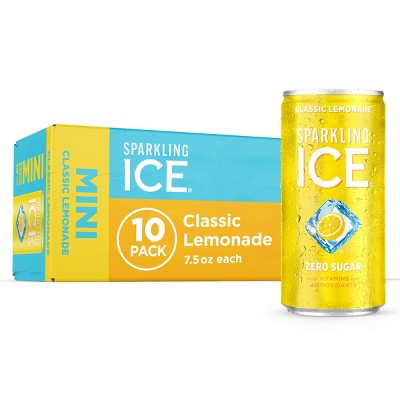
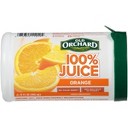
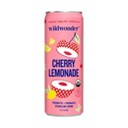
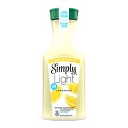
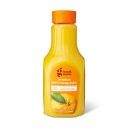
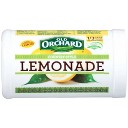
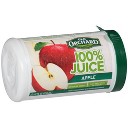
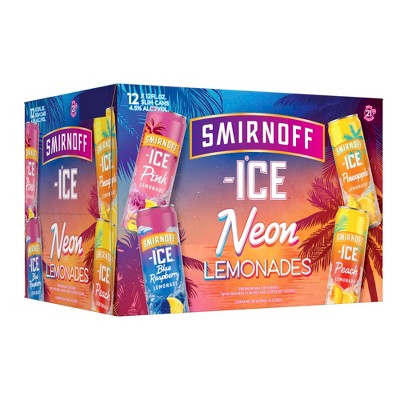
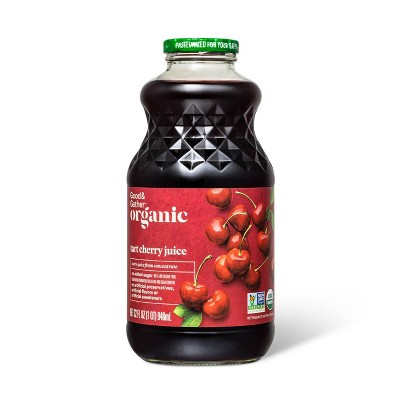
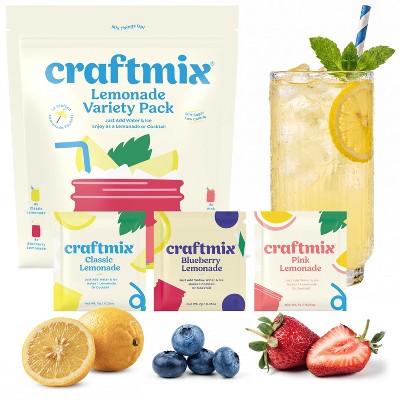
Labeling varies: some products are marked "zero sugar" or "zero calories," others are labeled "made with real sugar," and low‑calorie or reduced‑sugar packets list a specific calorie count per serving.
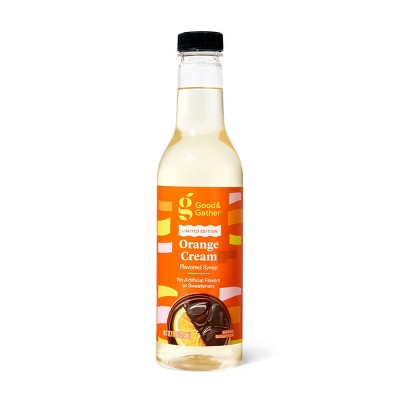
Formulations range from mixes made with real sugar to sugar‑free or zero‑sugar versions. Some products emphasize natural flavoring and no artificial flavors or sweeteners, while others highlight low‑calorie or reduced‑sugar formulations.
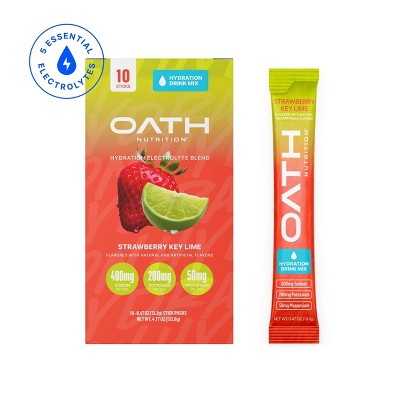
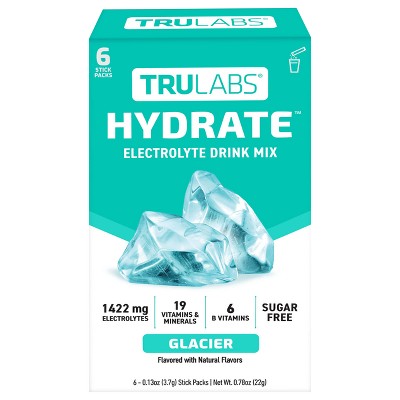
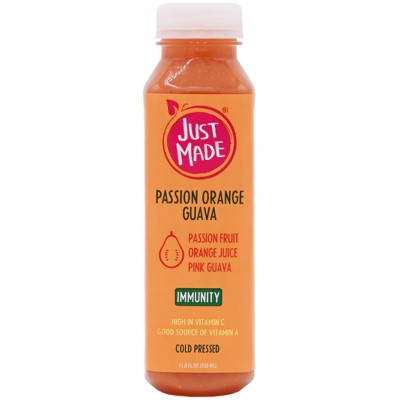
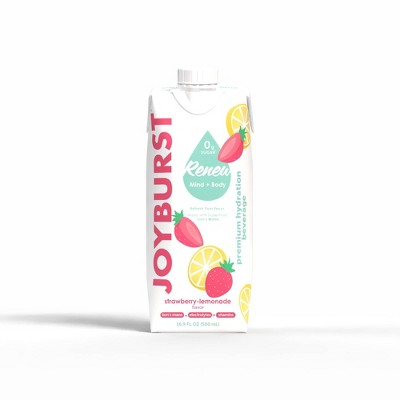
Some water enhancers include added electrolytes. Certain bottled drink mixes list added vitamins — listings include examples such as Vitamin E, B6 and niacin.
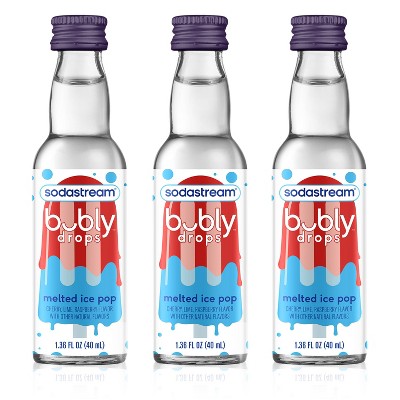
Instructions vary by format: single‑serve packets and powdered mixes typically direct mixing with still or sparkling water; small liquid enhancers give teaspoon (or similar) measures per 12‑oz serving; bottled concentrates use measuring lines or tablespoon amounts and often state how many 12‑oz servings the bottle makes.
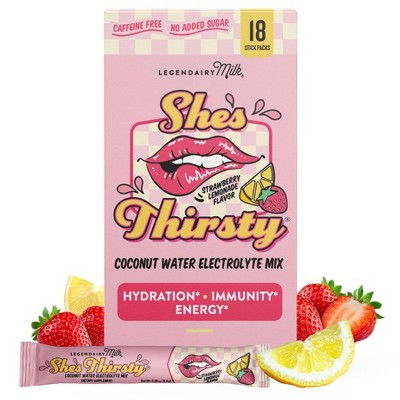
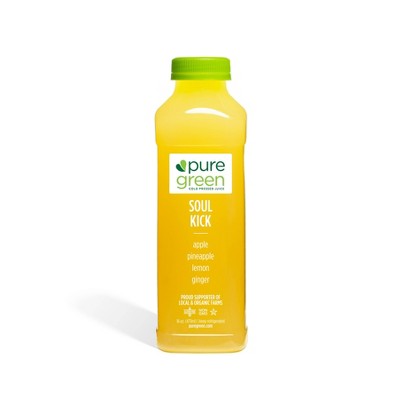
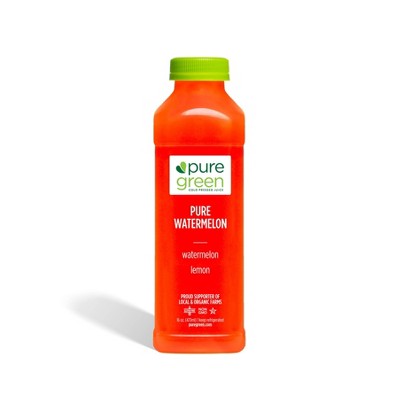
Common formats include liquid concentrates or syrups in bottles, powdered canister mixes, small liquid "water‑enhancer" bottles or drops, and pre‑measured single‑serve packets.
Powdered canisters often state total serving counts or pitcher/quart yields (e.g., "makes about 69 servings" or "MAKES 26 QUARTS"). Soda‑system and concentrate bottles commonly list how many 12‑oz servings they produce (for example, about 24 12‑oz servings). Small enhancer bottles typically list servings per bottle (for example, about 12 servings).
Packaging includes single‑use pre‑measured packets, resealable powdered canisters with scoops, individual bottles of liquid concentrate or drink mix, and multi‑bottle packs designed for home soda systems.
They’re mixed with still or sparkling water to make lemonade, used as non‑alcoholic drinks or cocktail/mocktail mixers, and marketed as flavored hydration or electrolyte boosts for workouts. They’re also promoted for gatherings and on‑the‑go occasions like picnics, parties, camping, and tailgating.