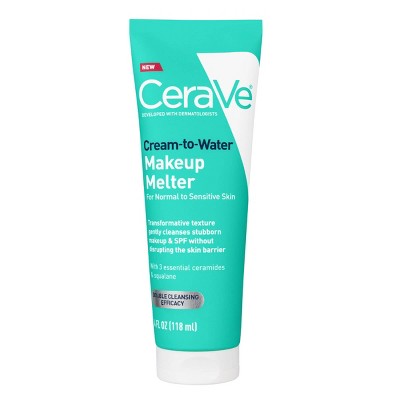
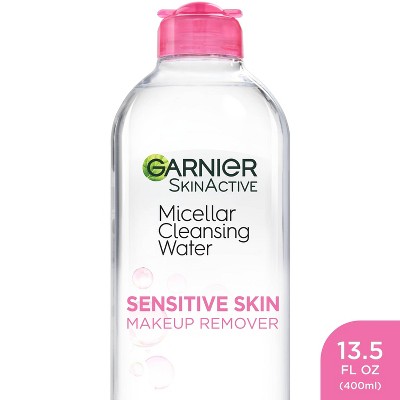
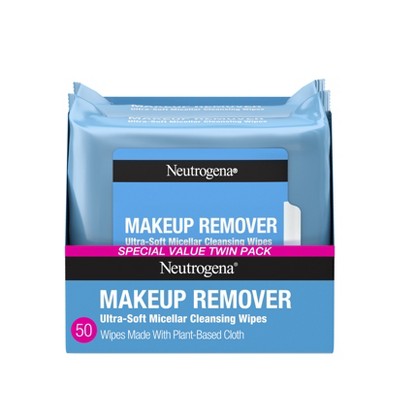
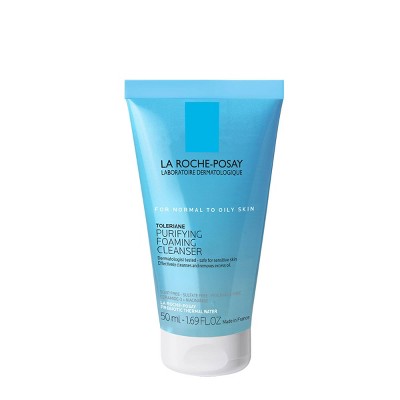
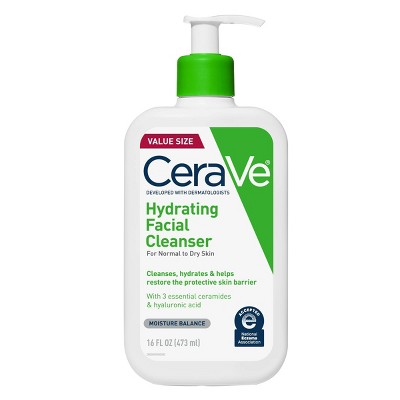
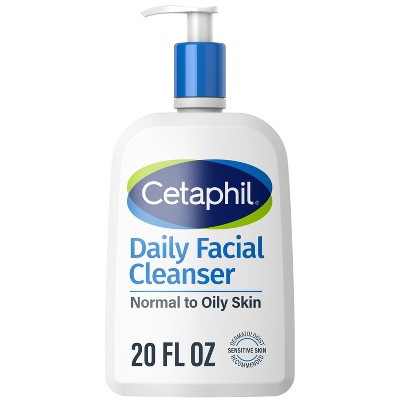
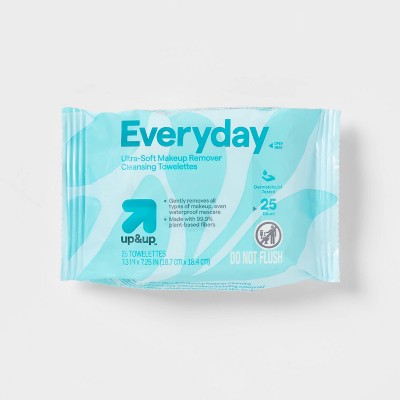
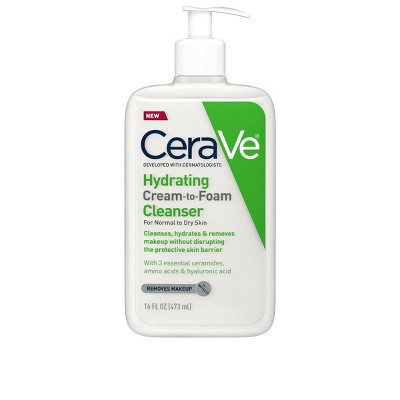
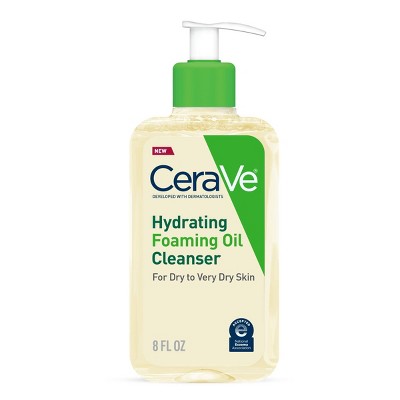
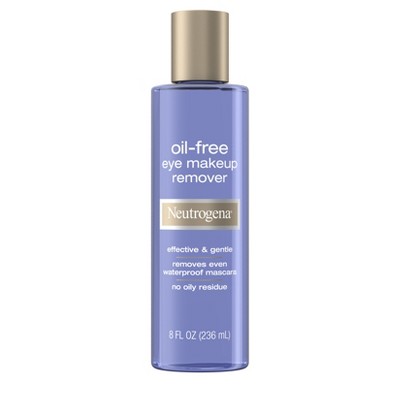
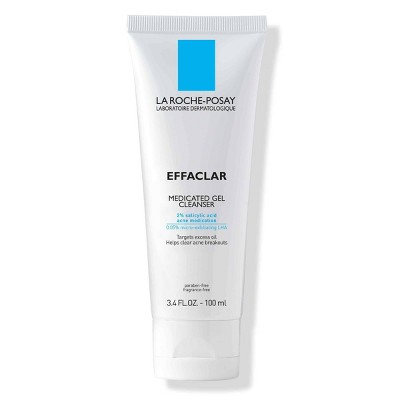
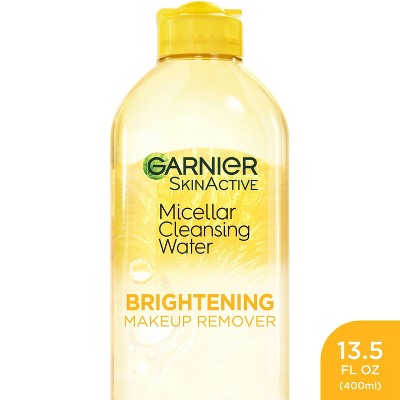
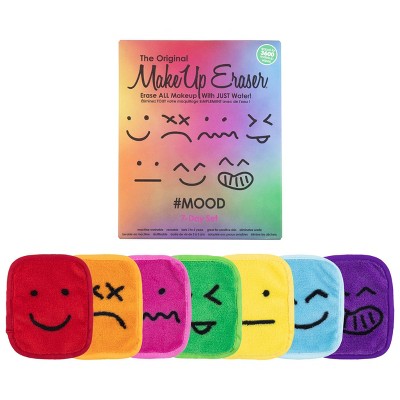
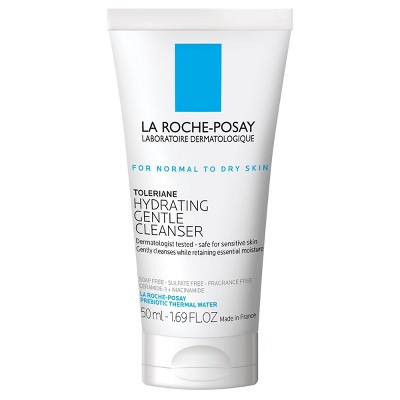
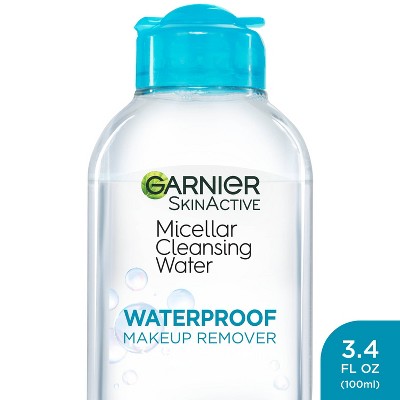
Melting makeup cleansers come in several formats, most commonly balms and oils, and also as creams and foams. Balms are often solid or sorbet-like that melt into oil on contact; oils start liquid and dissolve makeup quickly; some cream and foam formulas offer a similar dissolving action with a different rinse feel.
Apply to dry skin (including closed eyes), massage to dissolve makeup and sunscreen, then emulsify with a little water until it turns milky and rinse or wipe away. Many people follow with a second (water-based) cleanser as part of a double-cleanse.
Manufacturers market melting cleansers for a wide range of skin types — normal, dry, oily, combination, sensitive (including ‘extra sensitive’), mature, very dry, and acne-prone skin. Individual formulation and added actives determine suitability, so check product labels and ingredients and patch-test if you have specific concerns.
Yes — many melting removers are described as effective at dissolving long-wear and waterproof makeup (including waterproof mascara and sunscreens). They’re commonly recommended as the first step in a double-cleanse to remove stubborn formulas before a water-based follow-up wash.
Most melt-on-contact balms and oils start solid or sorbet-like and melt into an oil as you massage; when you add water they usually emulsify into a milky or creamy texture that rinses off more easily.
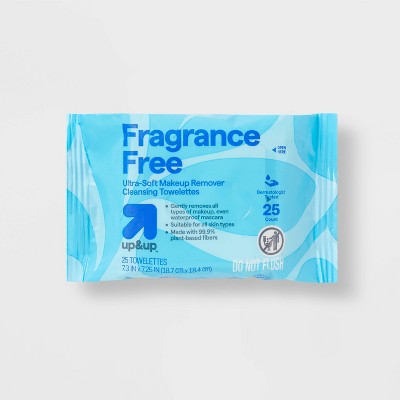
Fragrance delivery varies: some melting cleansers are scented (e.g., eucalyptus or other added fragrances), while many are marketed as unscented or fragrance-free/no fragrance added — check product labels if you prefer fragrance-free options.
Yes — many brands offer travel or trial sizes as well as standard tubs and bottles. Net weights and mini options are commonly listed so you can choose a smaller size for travel or testing a formula.
Beyond makeup removal, many melting removers advertise added benefits such as moisturizing, nourishing, hydrating, brightening, supporting the skin barrier, and leaving skin feeling soft or smooth after cleansing.