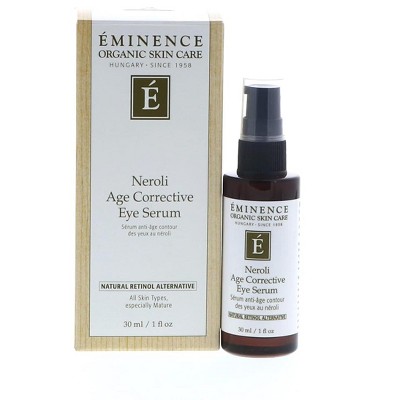
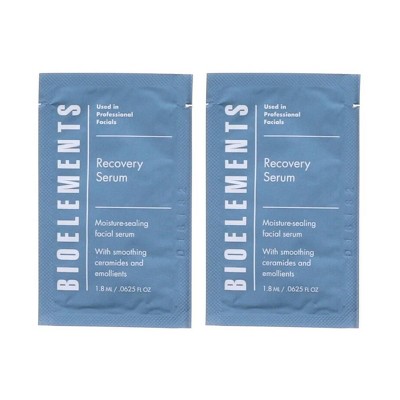
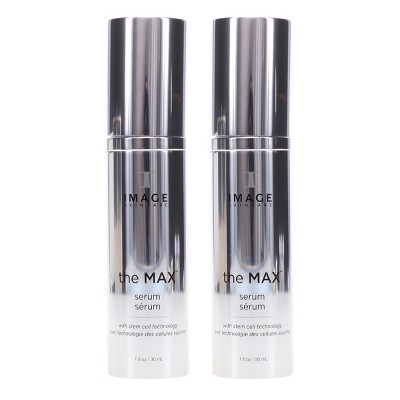
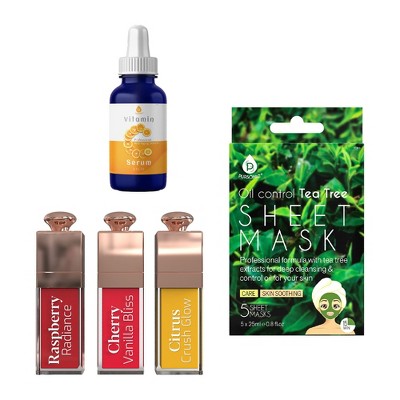
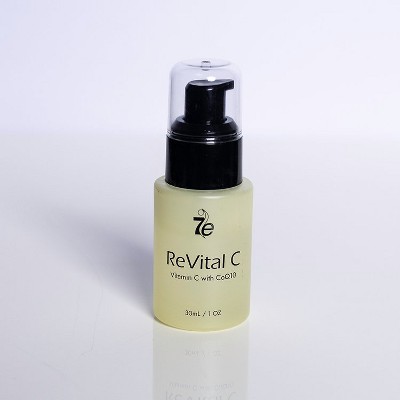
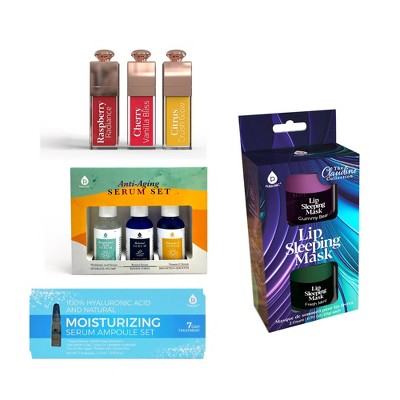
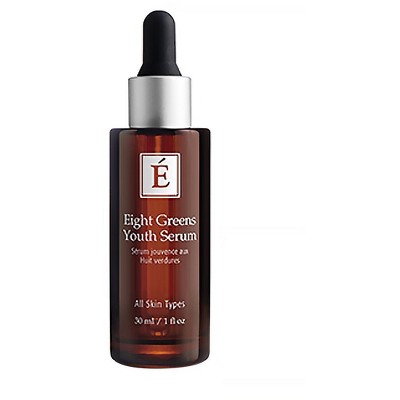
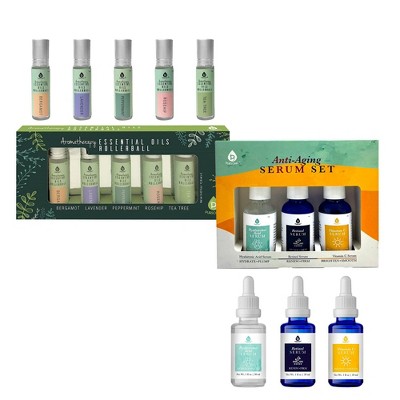
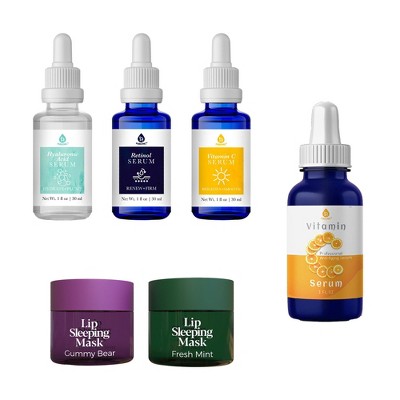
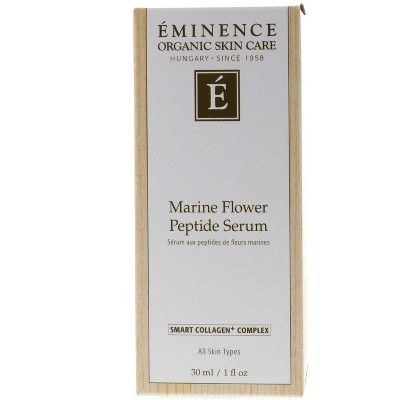
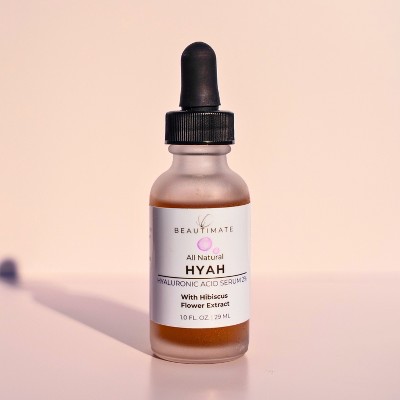
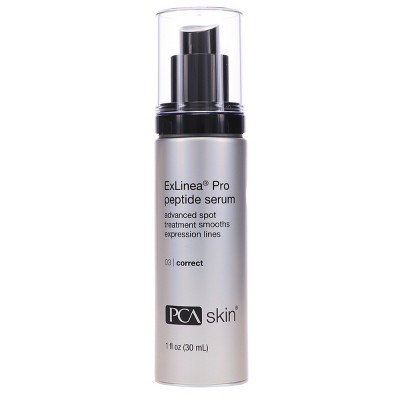
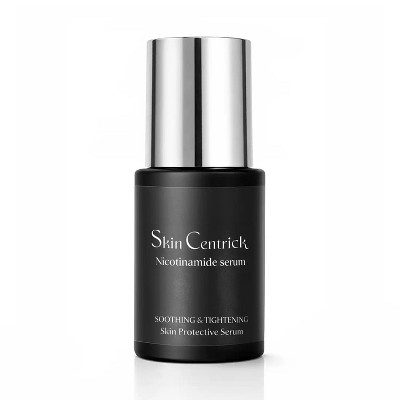
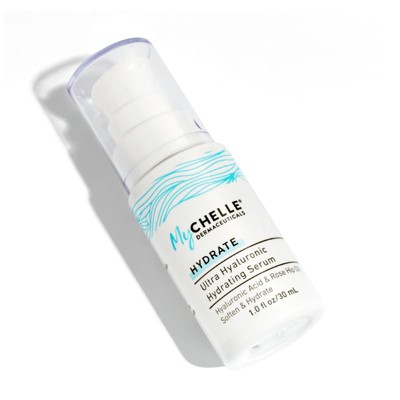
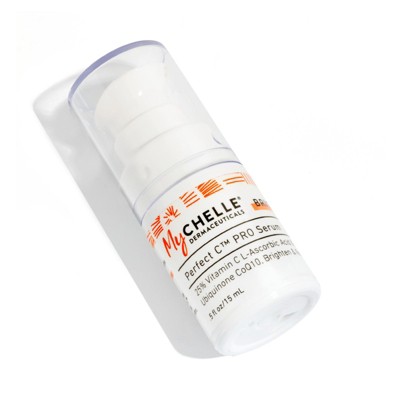
Most serums are sold in small bottles, typically about 0.5 fl oz to 1 fl oz; a few formulations are available in larger sizes (for example, around 4 fl oz).
Serums in this range target many skin types depending on the formula, including combination, dry, mature, oily, normal, sensitive, acne-prone, and extra-sensitive skin.
Examples of stated concentrations include: 10% vitamin C; a formula with 12% niacinamide plus 2% zinc PCA; and one product listing a 20% vitamin C concentration.
Serums are generally applied before moisturizers and under makeup; some can be mixed into a moisturizer or used as boosters (a few brands suggest adding one or two drops). Common directions also advise avoiding the eye area for some formulas and storing certain vitamin C serums in a cool, dark place.
Common actives include peptides (e.g., Matrixyl), vitamin C (L‑ascorbic acid and stabilized forms), hyaluronic acid, niacinamide, zinc (zinc PCA), ceramides, retinol, lactic acid, vitamin E, ferulic acid, and licorice root extract.
Typical formulation features include paraben‑free and fragrance‑free (or no‑fragrance) labels, some vegan or cruelty‑free claims, oil‑free or non‑comedogenic formulations, and frequent inclusion of actives like hyaluronic acid, ceramides, and niacinamide.