Target New ArrivalsHalloweenChristmasGift IdeasClothing, Shoes & AccessoriesHome & DecorKitchen & DiningPatio, Lawn & GardenGroceryHousehold EssentialsBabyBeautyTarget Beauty StudioPersonal CareSports & OutdoorsPetsHealthWellnessSchool & Office SuppliesToys & GamesElectronics & TechVideo GamesBooks, Music & MoviesParty SuppliesGift CardsShop by CommunityTarget OpticalDealsClearanceNew ArrivalsBack to SchoolCollegeTop DealsTarget Circle DealsWeekly AdShop Order PickupShop Same Day DeliveryRegistryRedCardTarget CircleFind Stores

monkfruit sugar

222 results for “monkfruit sugar”
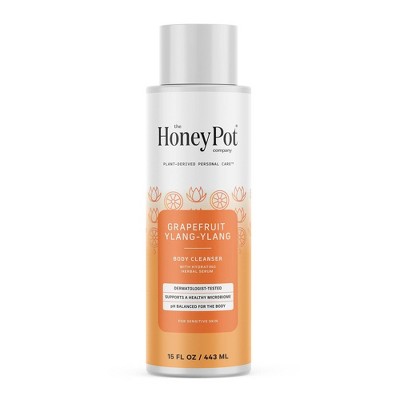
The Honey Pot Company, Grapefruit Ylang Ylang Hydrating Body Cleanser - 15 fl oz

$9.89($0.66/fluid ounce)

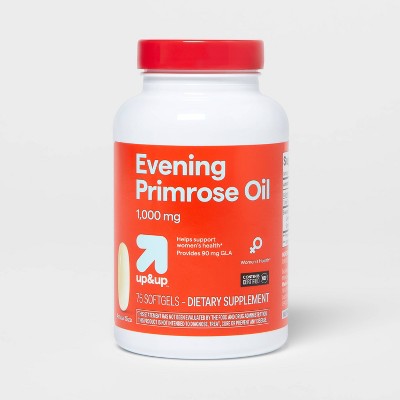
Evening Primrose Oil 1000mg Women's Health Support Softgels - 75ct - up&up™

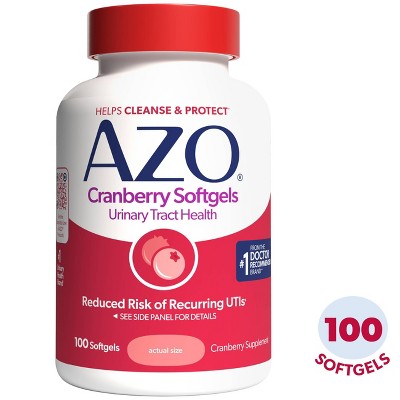
AZO Cleanse + Protect Cranberry Softgels for Urinary Tract Health

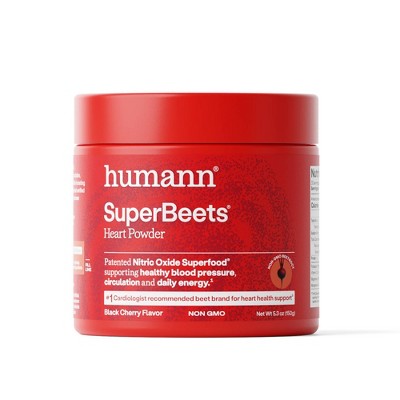
Humann SuperBeets Beet Powder - Black Cherry - 5.3oz

Sponsored

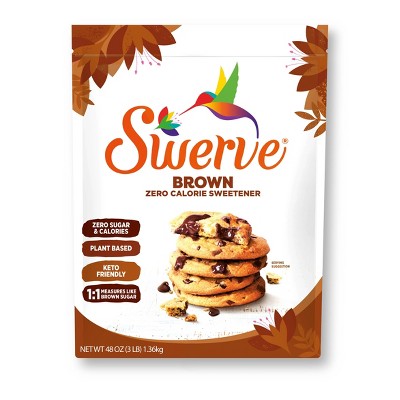
Swerve Brown Sugar Replacement - 48oz: Erythritol

$23.99($0.50/ounce)

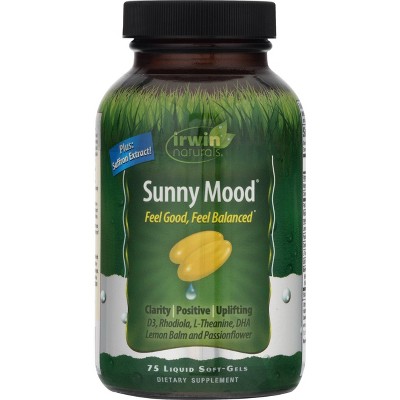
Irwin Naturals Sunny Mood Dietary Supplement Liquid Softgels - 75ct

Sponsored

Powered by AI

Guests also ask:

Monk fruit sweeteners are commonly sold as granulated or powdered forms. Product listings often label them as either "Ready to Use" or "Ingredient."

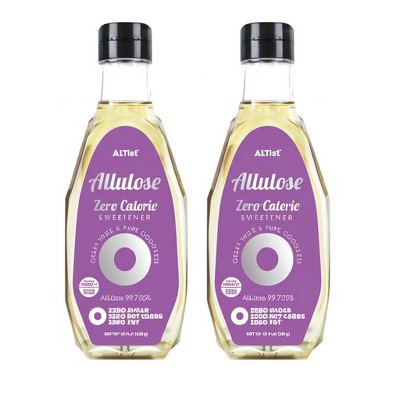
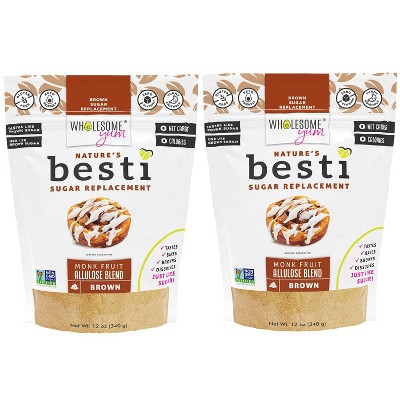
Common blends pair monk fruit with other low‑calorie sweeteners such as allulose or erythritol. Some products, however, are pure monk fruit extract with no added sweeteners.

Listed package sizes include 5 ounces, 12 ounces, 15 ounces, 48 ounces, 80 ounces, and 1 pound.

Product descriptions say monk fruit sweeteners dissolve easily, help keep baked goods moist, and can brown or caramelize similarly to sugar. They are commonly promoted for baking, sauces, and beverages and often presented as a cup‑for‑cup (1:1) sugar replacement.

Common labels and certifications include Organic, Non‑GMO Project Verified or Non‑GMO, Kosher, Keto/keto‑certified, Gluten‑Free, and SQF certification.

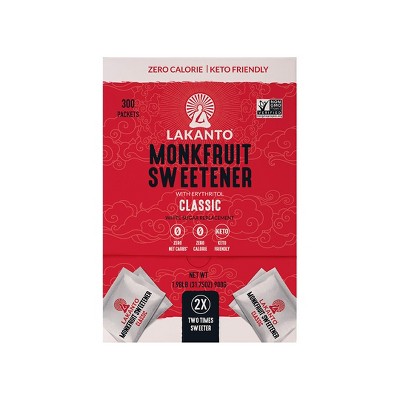
Descriptions frequently state "zero calorie" or "0 calorie," "zero net carbs" or "0 carb," and note a low or zero glycemic impact or a low glycemic index.

Powdered (extra‑fine) monk fruit is described for smooth frostings, glazes, and sprinkling; granulated monk fruit is described for general baking and is often presented as a cup‑for‑cup sugar replacement for cookies, muffins, cakes, and everyday use.

Serving counts vary by extract size; examples in product details include "450+ servings per bag" and "1350+ servings per bag."

Descriptions commonly say these sweeteners taste like sugar or closely mimic sugar, and often note little to no cooling aftertaste or bitterness.

Get top deals, latest trends, and more.