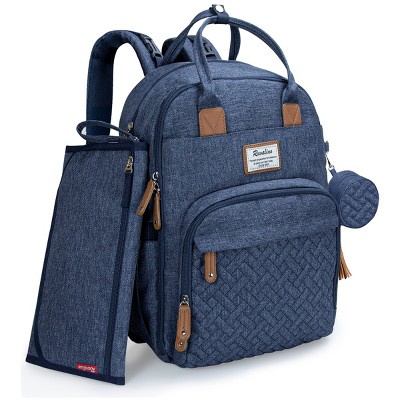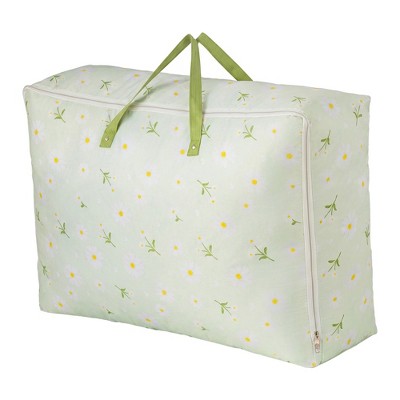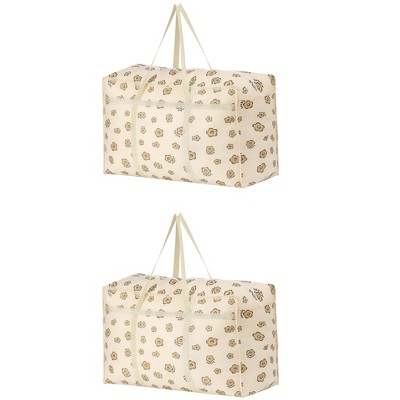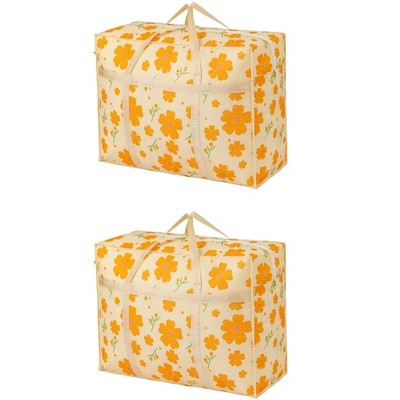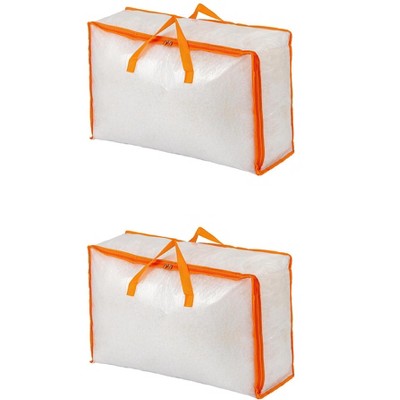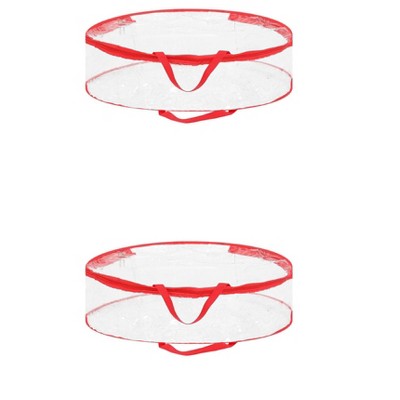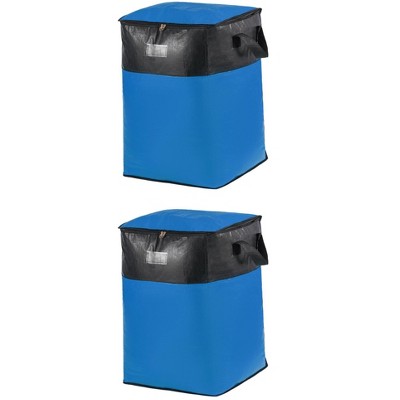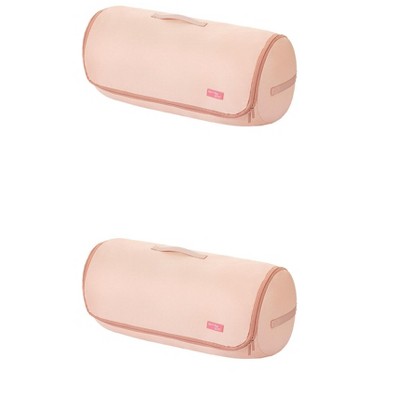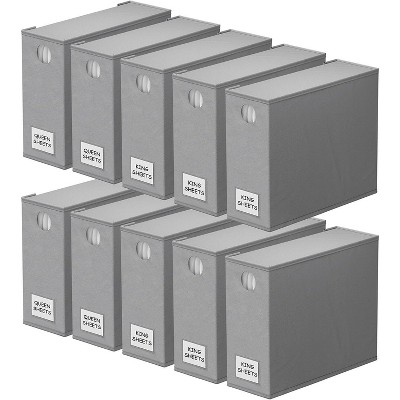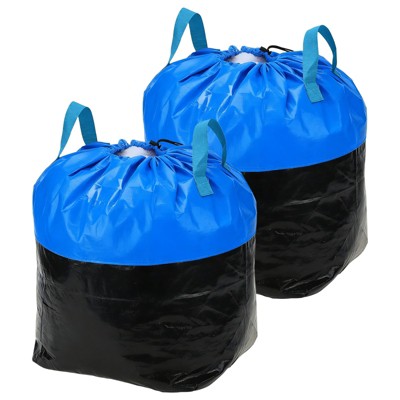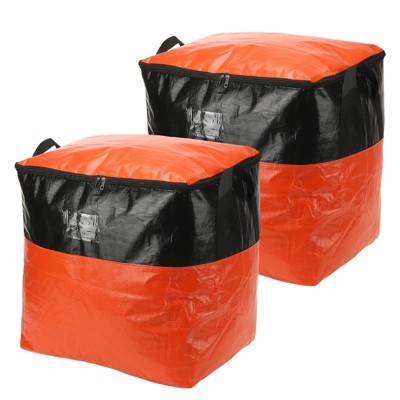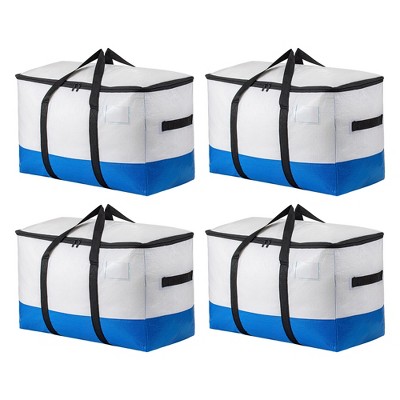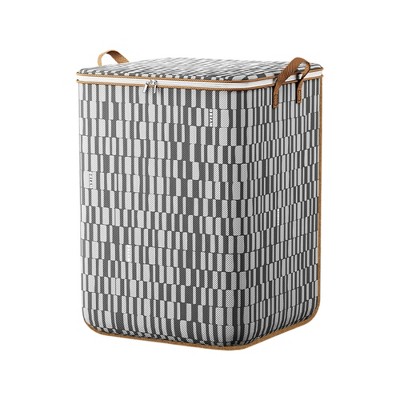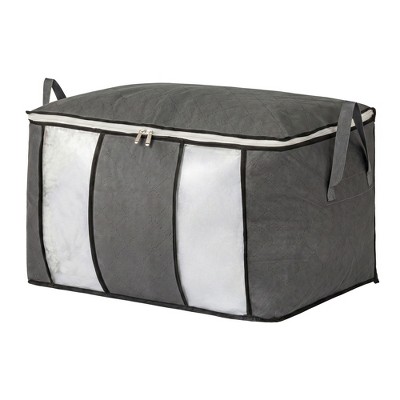

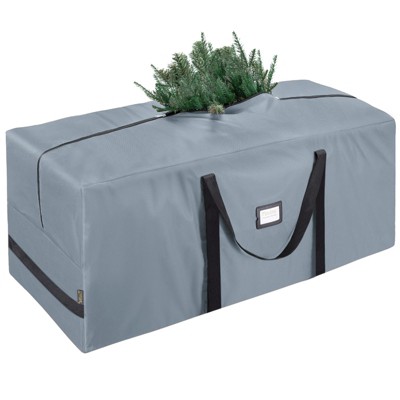
Listings show a range of materials: woven polypropylene, PVC (Polyvinyl Chloride), polyethylene, generic plastics, and 600D Oxford canvas (often with PVC lining). Vacuum/compression bags commonly use PA and PE; at least one bag notes nylon used for handles.
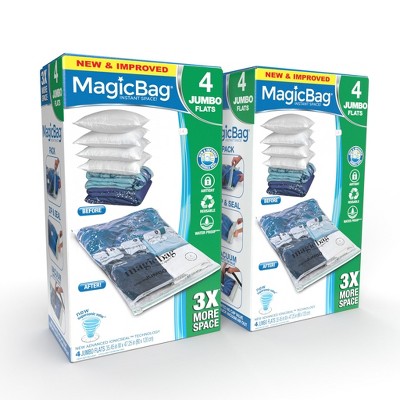
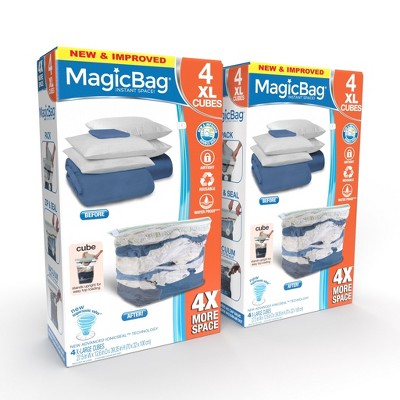
Compression bags are emptied either with an included electric air pump or by attaching a standard vacuum to remove air. They use double-zip seals and a multi-seal valve (noted in listings as a "triple-seal turbo valve") to maintain an airtight closure.
Most product details list simple surface care such as "Spot or Wipe Clean." For best results, follow the manufacturer's care instructions on the product label or listing and allow the bag to dry fully after cleaning.
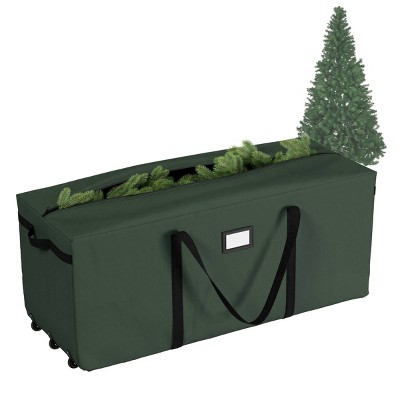
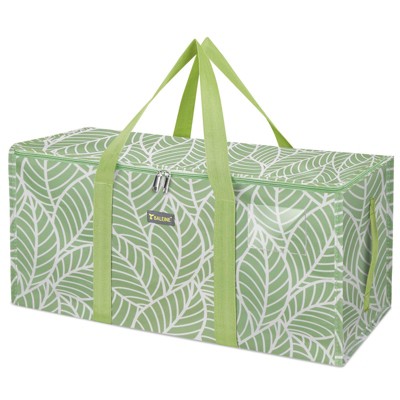
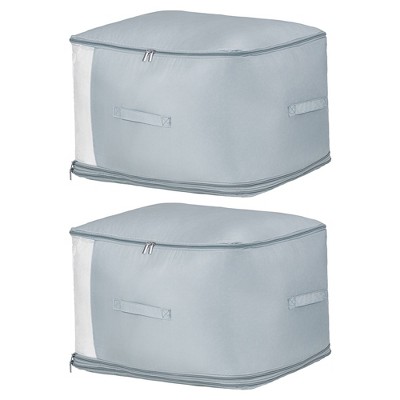
Options range from small compression bags (examples: 3.7 in H × 8 in W × 12 in D) up to large moving or tree-storage bags (examples: 25.5 in H × 56 in W × 22 in D or 13 in H × 29 in W × 14 in D). Capacity listings in the data include figures such as 190.5 cubic inches and 18.22 cubic feet, with some items using ounce-based volume descriptions.
Common mobility features include reinforced handles and multiple carrying straps, backpack-style or multi-strap configurations, and wheels—ranging from standard wheels to oversized wheels that lift the bag for easier rolling.
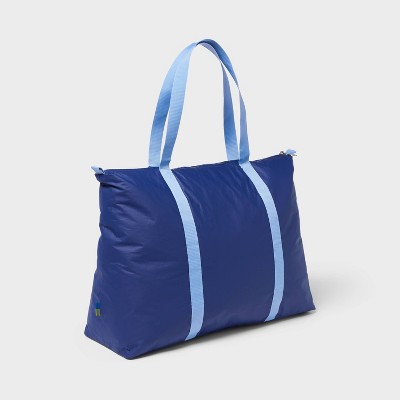
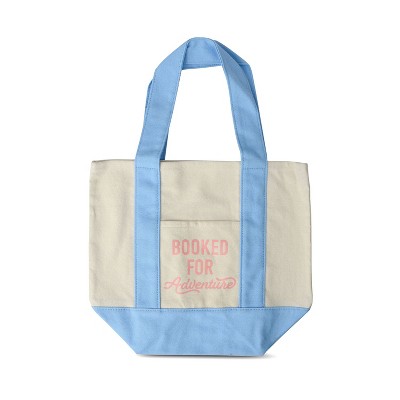
Listings commonly include tote-style handles plus additional straps. Several items offer backpack-style straps or multi-strap designs that allow the bag to be worn on the back for hands-free carrying.
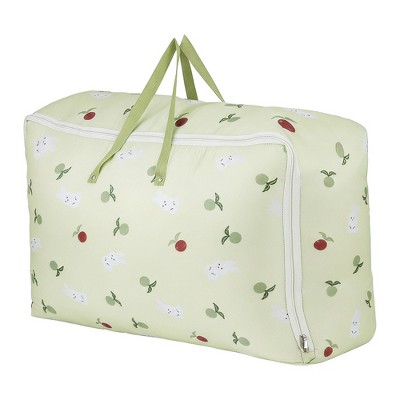
Shoppers commonly use these bags for storing bedding, clothing, and laundry; packing or moving household items; travel and car storage; and storing seasonal items such as artificial trees or holiday decorations.