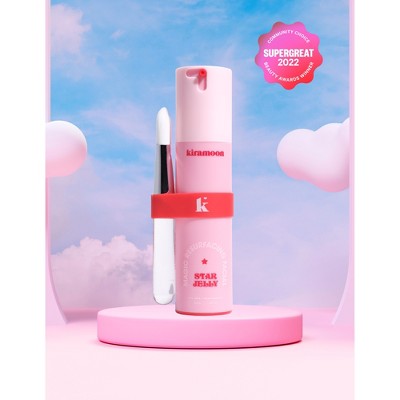
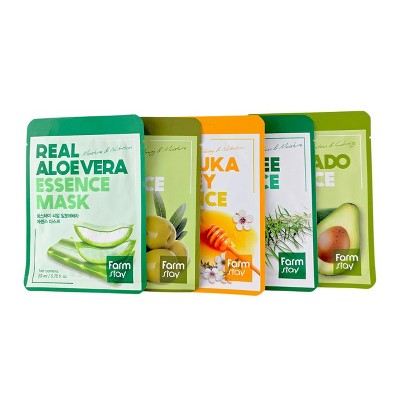
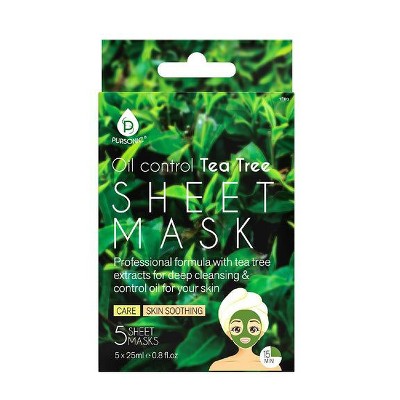
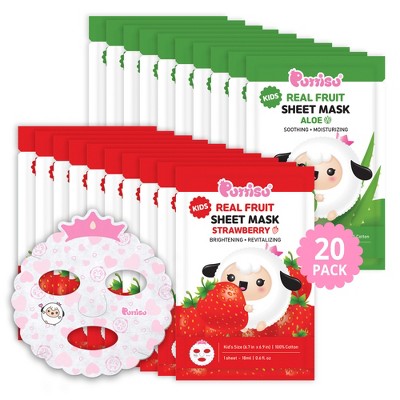
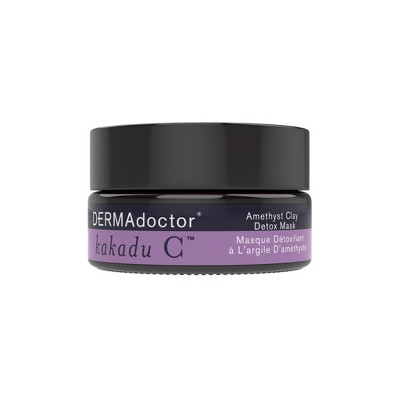
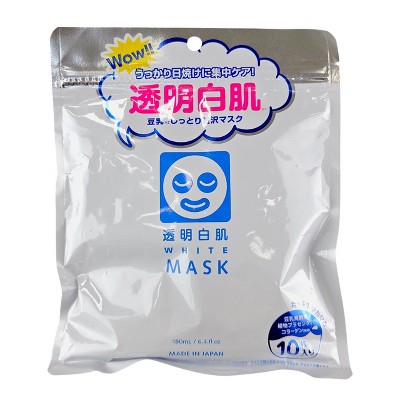
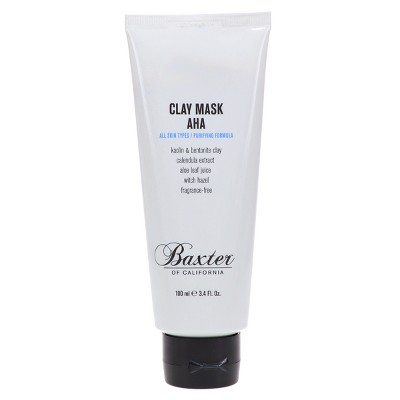
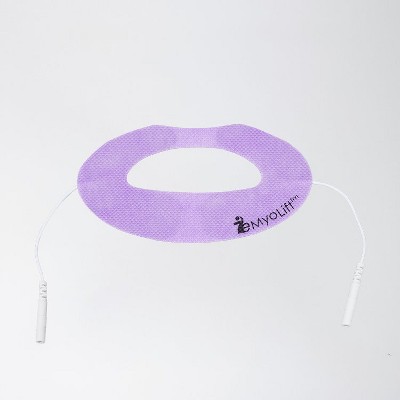
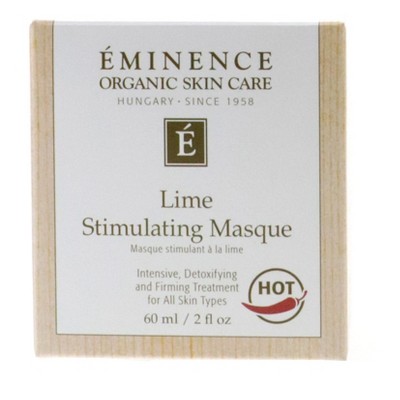
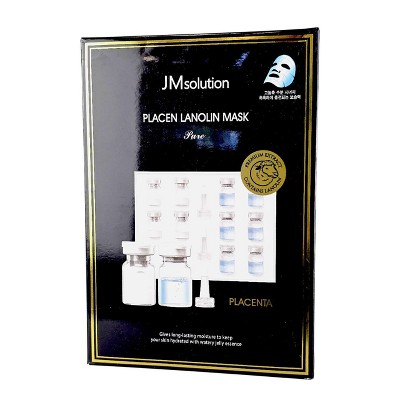
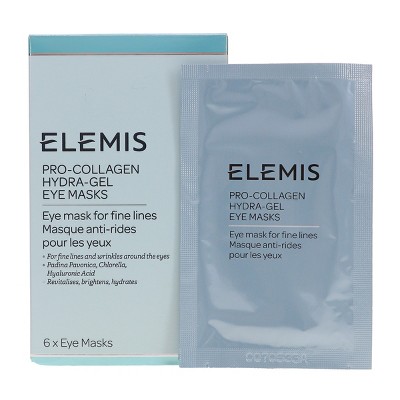
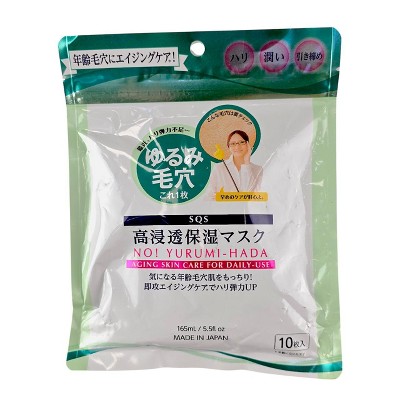
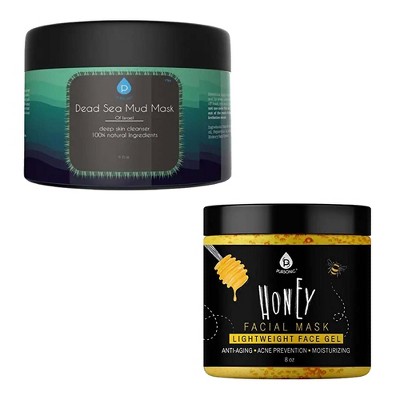
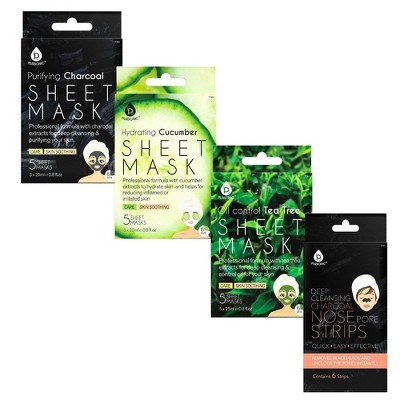
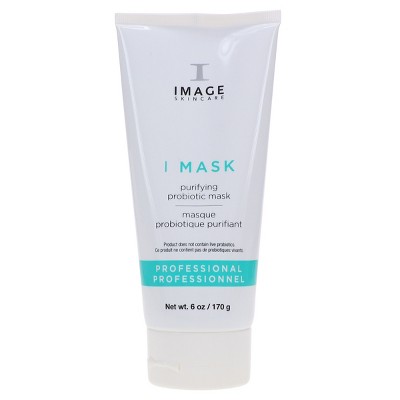
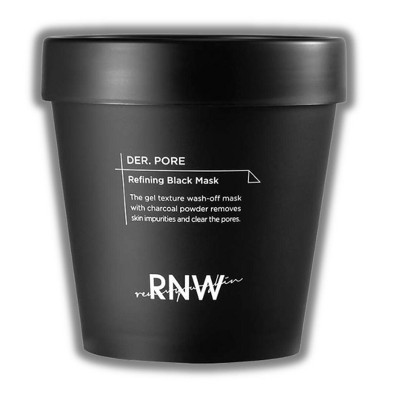
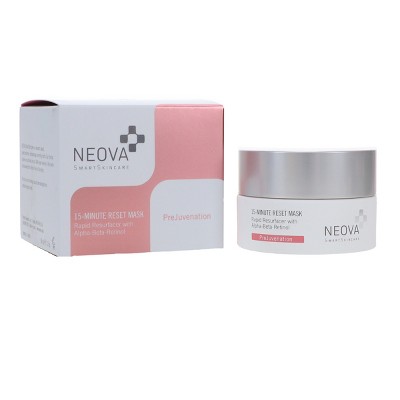
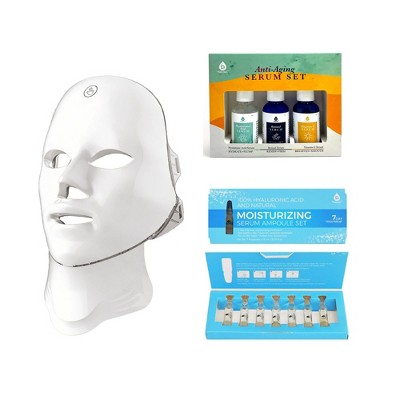
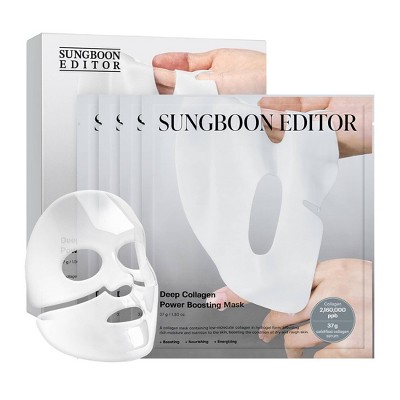
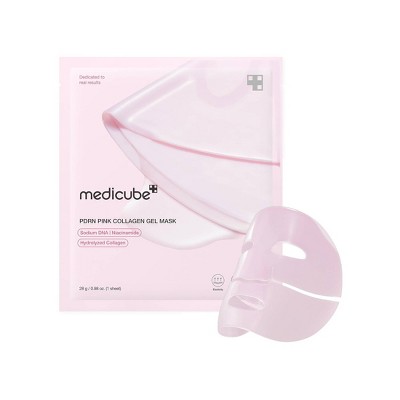
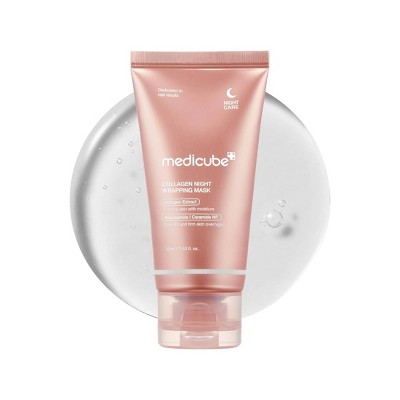
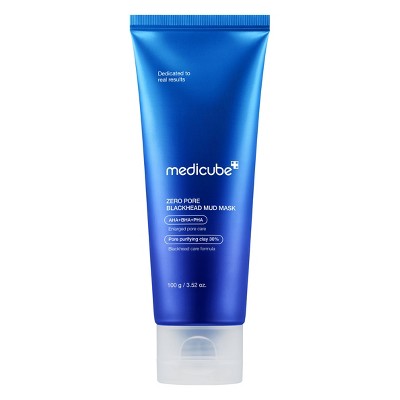
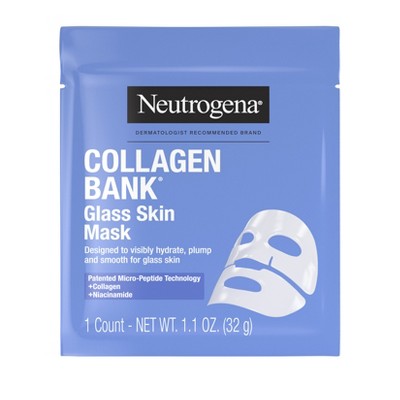
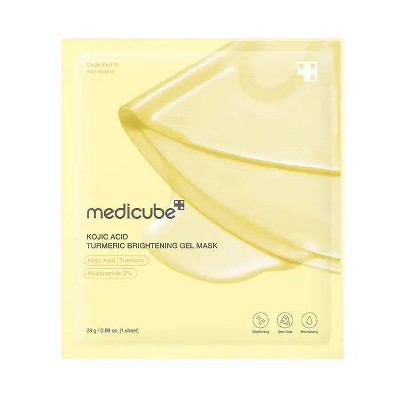
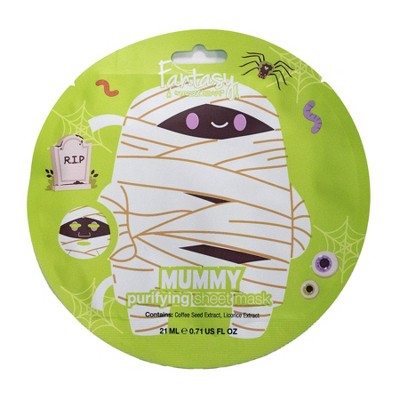
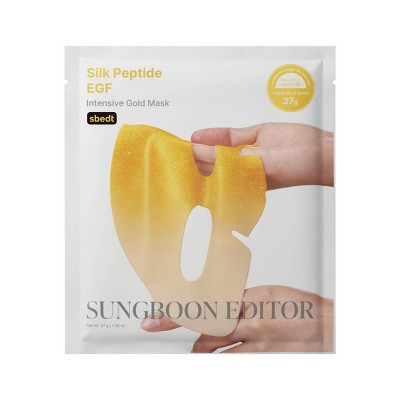
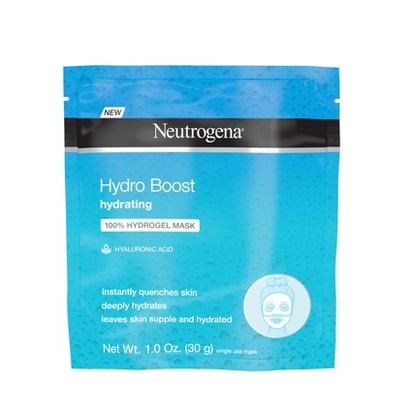
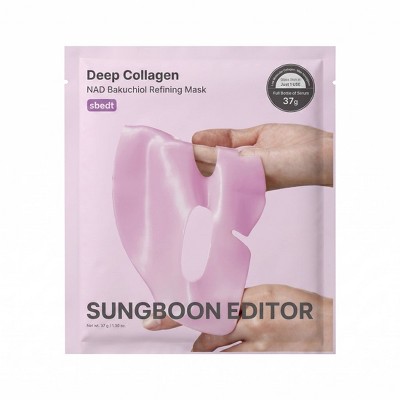
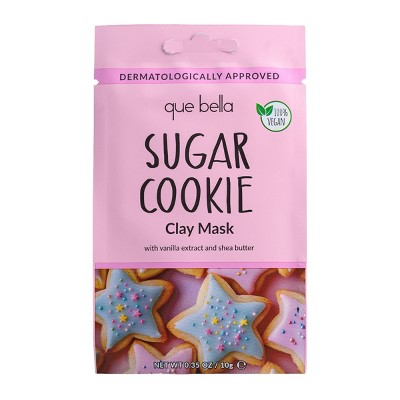
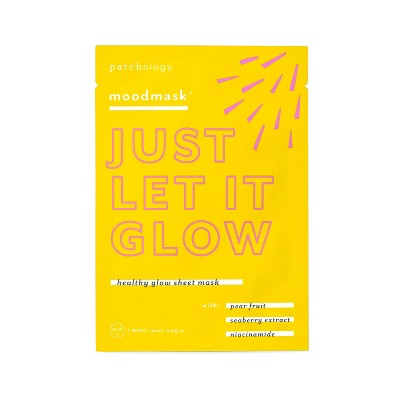
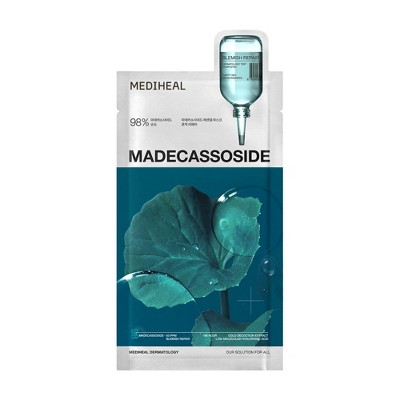
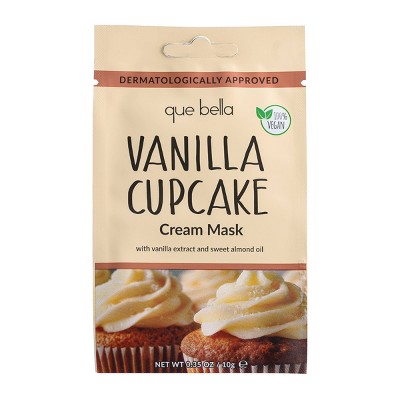
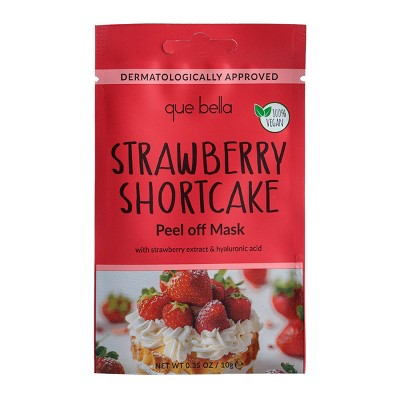
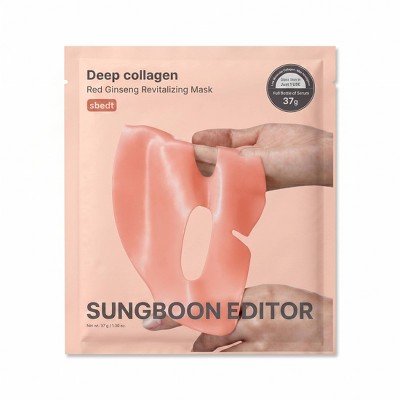
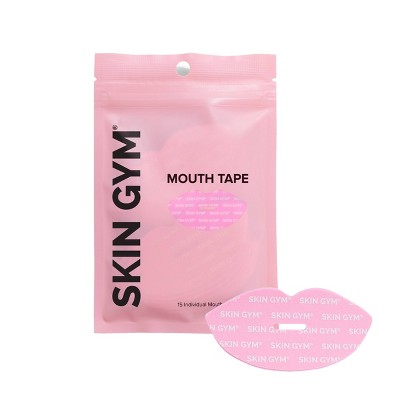
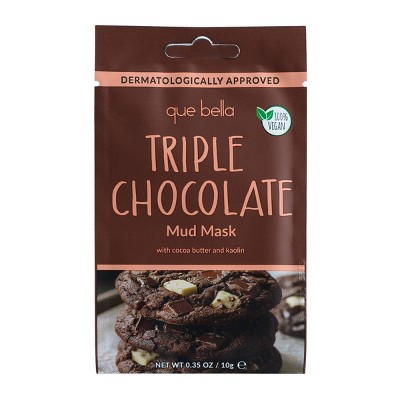
These products are marketed for a wide range of skin types, including acne-prone, sensitive, combination, normal, oily, mature, and dry skin; some items are labeled for "all skin types."
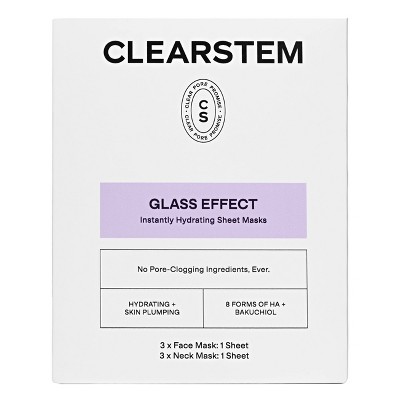
Look for labels such as "non-comedogenic" (formulated not to clog pores) and "dermatologist tested," which indicate the product is intended to avoid pore clogging and has undergone dermatologist testing as stated on the packaging.
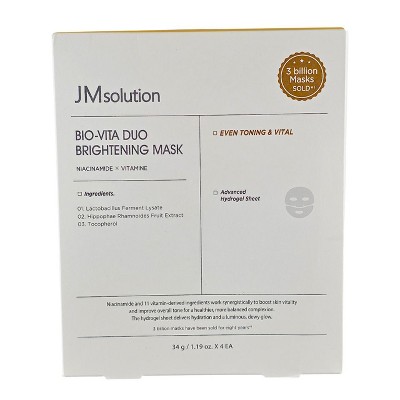
Overnight masks can support fading post-acne pigmentation by strengthening the skin barrier and including brightening actives noted in listings—such as niacinamide and vitamin C—to help even skin tone and reduce dark spots.
Hydrocolloid patches absorb excess sebum and draw out impurities, often swelling or turning white as they collect fluids. They conform to the spot or nose and protect blemishes from dirt and picking through the night.
Hydrocolloid patches are typically worn for several hours to overnight (one listing notes about 4–8 hours). Clay or sulfur masks are often used for short periods (around 10 minutes) or can be applied as overnight spot treatments in some formulas. Many cream or sleep-mask hybrids are intended for overnight wear, though exact times vary by product.
![Barulab The Clean Vegan Mask (Shea Butter) - [PACK OF 3 SHEET MASKS] Give your skin a deep vegan drink of shea butter](https://target.scene7.com/is/image/Target/GUEST_0f9d761a-eca7-447b-b23a-f78541409173)