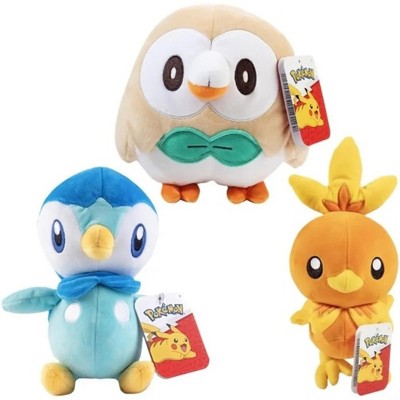
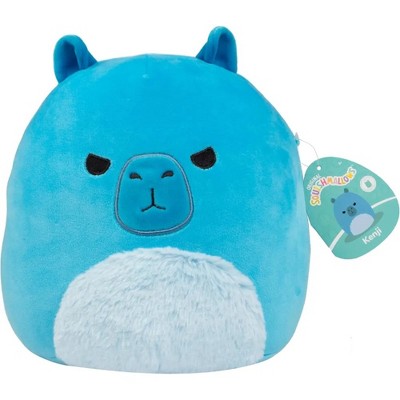
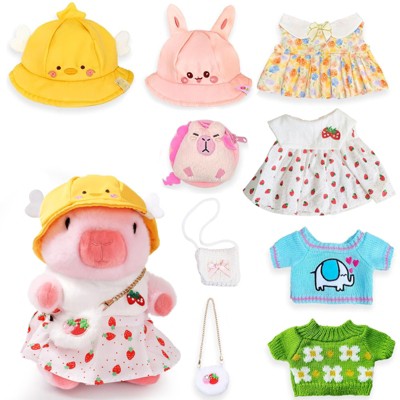
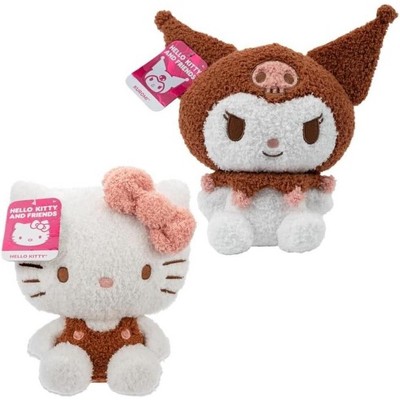
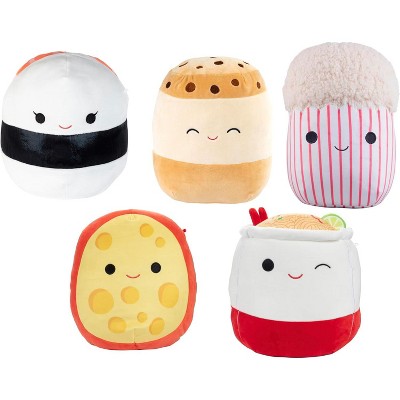
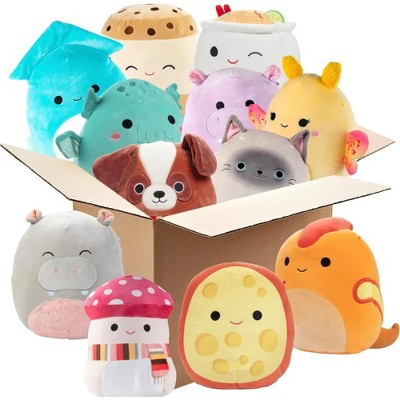
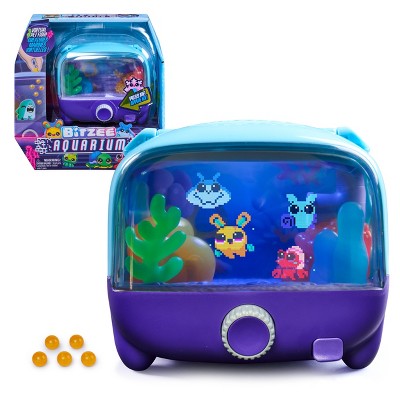
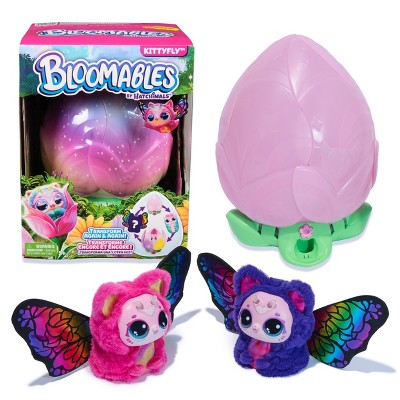
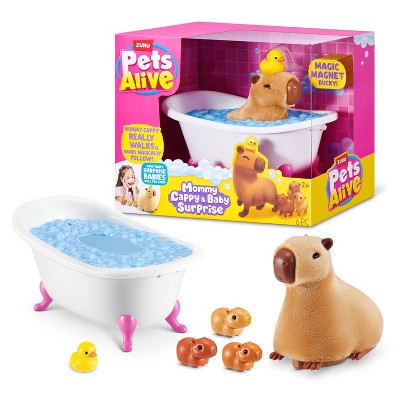
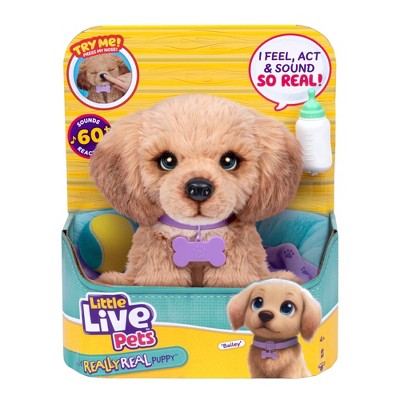
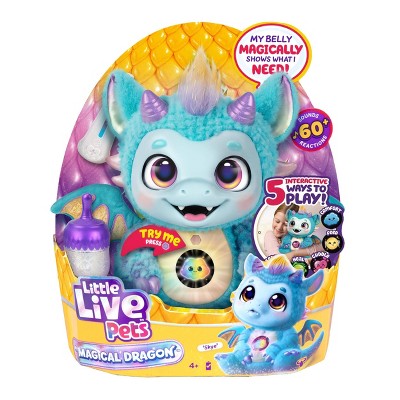
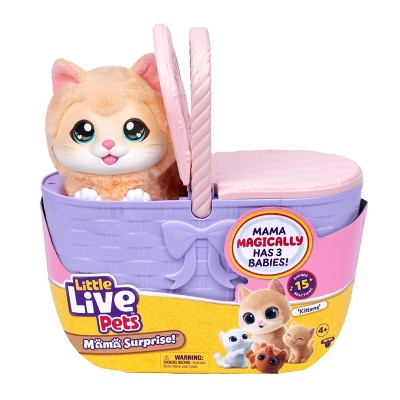
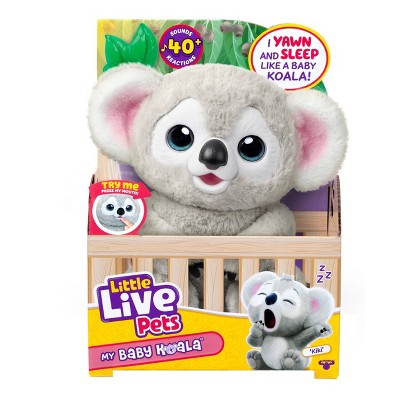
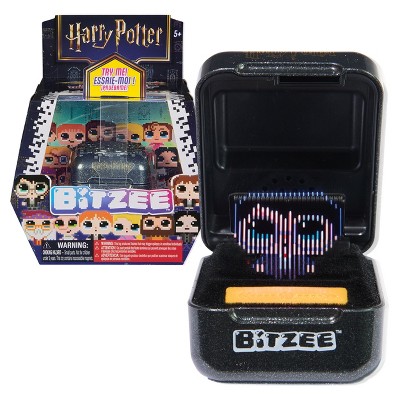
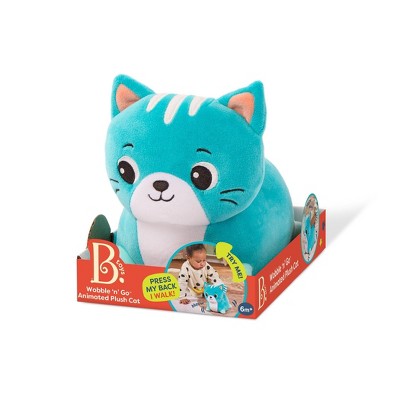
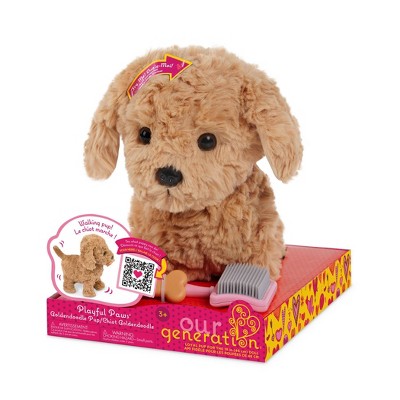
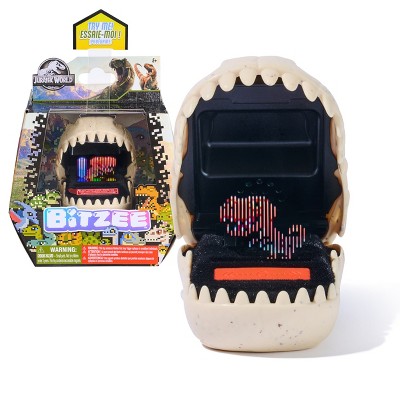
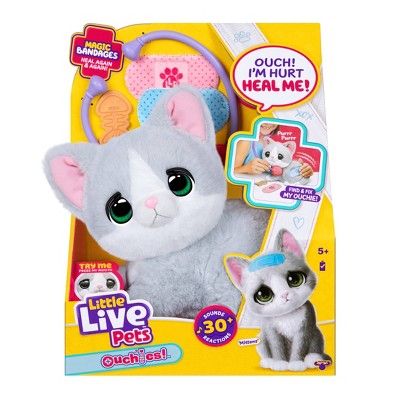
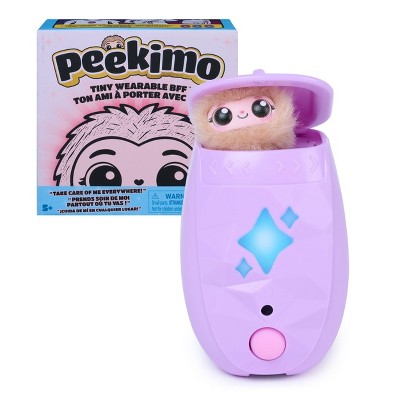
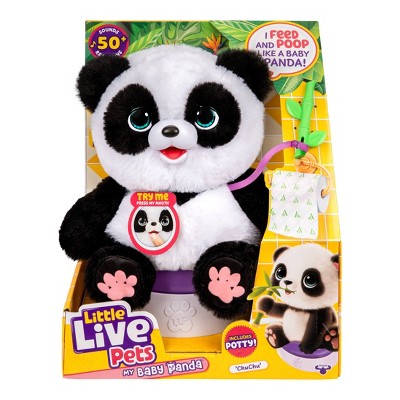
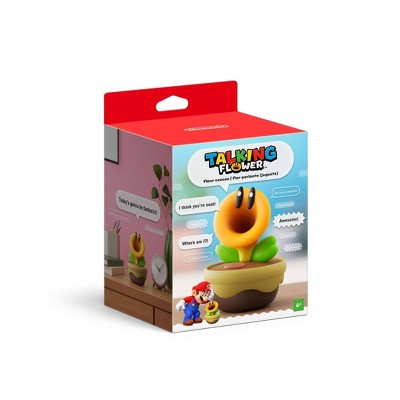
Recommendations vary by product; common age labels include 6 months+, 1 year+, 2 years+, 3 years+, 4 years+, and 5 years+. Always check the specific toy’s packaging or product page for the exact age recommendation and any additional guidance.
Common materials include plastic and polyester, with some toys using fabric, metal, and cotton. Check the product listing or label for exact materials and any care or allergen information.
Dimensions vary by toy. Heights in the range shown run from about 4.72 inches up to 13 inches, widths from about 5.75 inches up to 12.25 inches, and depths from about 4.63 inches up to 9.84 inches. Check the specific product listing for exact measurements.
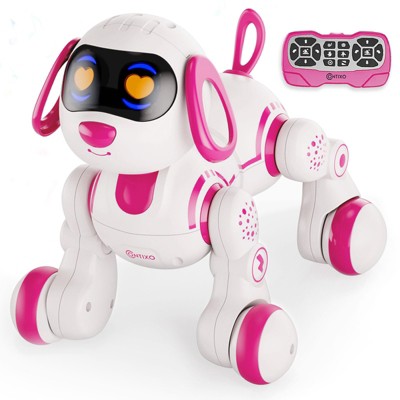
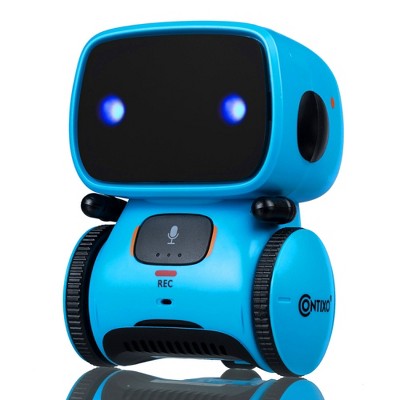
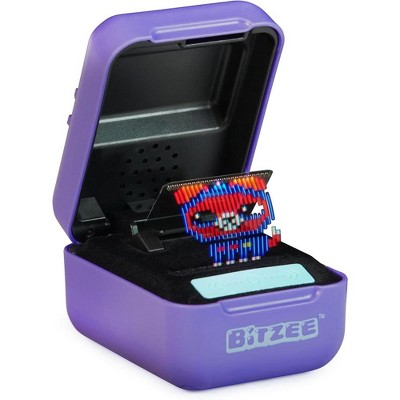
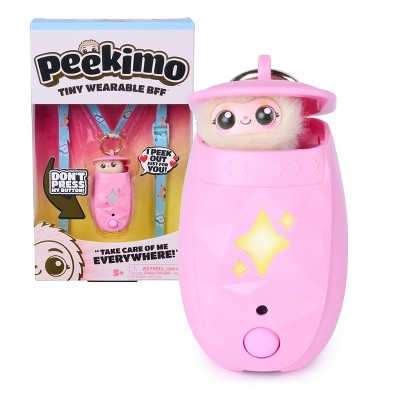
Common interactive features include lights, walking or wobbling motion, water‑activated swimming and color‑change effects, and sound or other motion-based responses. Features vary by product, so check the listing for exact capabilities.
These toys often support fine motor skill development, creativity and problem-solving, color recognition, and pretend-play/role-play. Some descriptions also note benefits for empathy-building and use in speech‑therapy contexts.
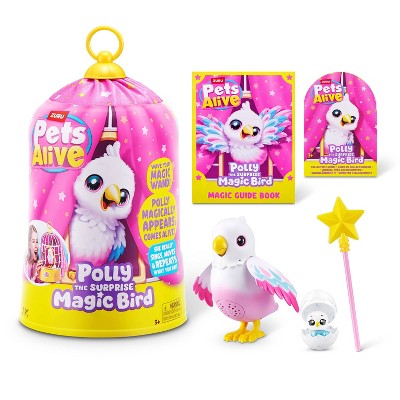
Typical accessories include toy medical tools (stethoscopes, mirrors, syringes, tweezers, thermometers, bandage rolls, eye drops), plush animals and carriers, feeding bottles and animal figures, fishbowls with sculptable sand, spare batteries, and instruction guides. Contents vary by set—check the product description for the exact list.
Piece counts vary: examples include 9 pieces, 22 pieces (labeled 22‑Piece), and 23 pieces; some interactive toys are listed as a single piece. Check the product listing for the exact piece count.