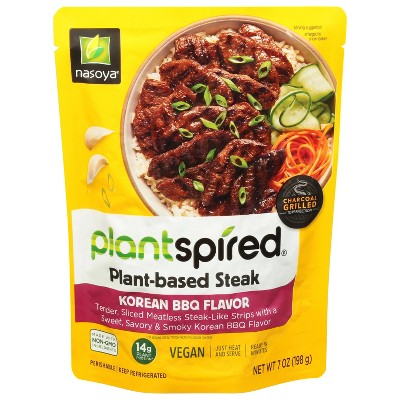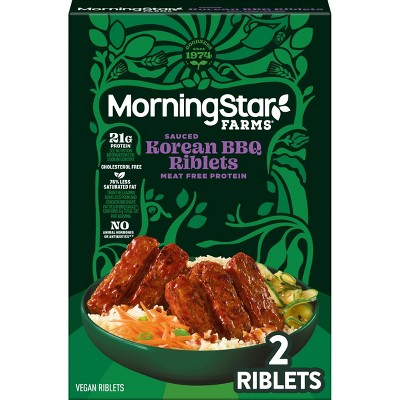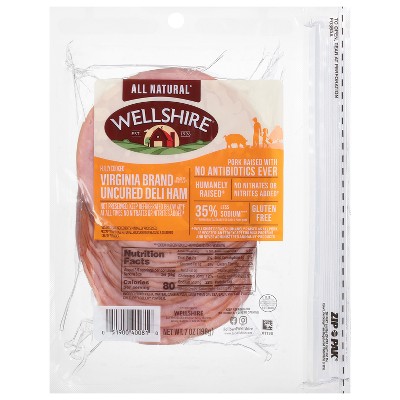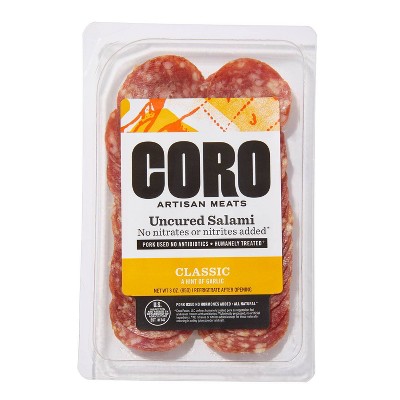
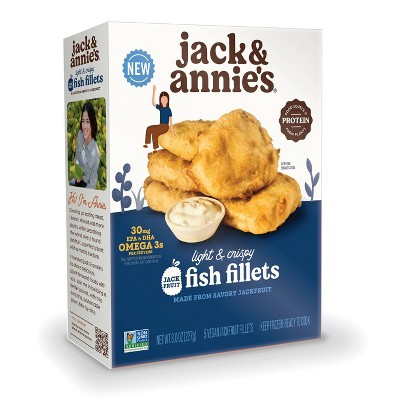
They commonly come in three states: ready-to-eat (pre-sliced or deli-style), heat-and-serve (fully cooked but best warmed), or raw/uncooked (sold fresh or frozen and labeled as requiring full cooking).
Common methods include oven baking, air frying, grilling, stovetop/skillet searing, and microwaving. The recommended method depends on whether the item is raw (requires full cooking), heat-and-serve, or already prepared.
Look for labels such as vegan/plant-based, Non-GMO Project Verified, kosher, certified gluten-free, halal, soy-free, and other program approvals (e.g., Whole30). Availability varies by product, so check packaging for specific certifications.
Frozen plant-based sandwich meats should be kept in the freezer and remain frozen until you're ready to thaw and prepare them. Follow any package-specific thawing and cooking instructions.
Common forms include patties, links/sausages, ground crumbles, sliced cold-cuts, and fillet-style pieces — covering options for sandwiches, burgers, and other recipes.
They’re typically sold in sealed or resealable packages that list net weight and quantity. Packaging will also indicate the product’s state (raw, fully cooked, heat-and-serve, or ready-to-eat) and any storage instructions.
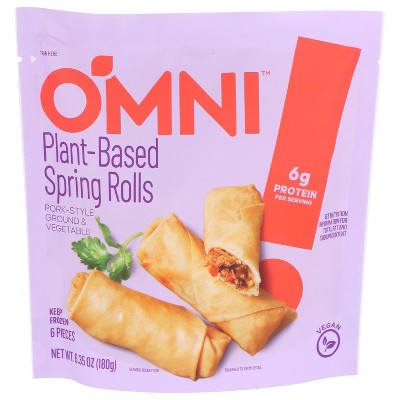
Protein content in these products typically ranges from about 8 g to 23 g per serving. Observed example values include 8 g, 9 g, 15 g, 17 g, 19 g, and 23 g depending on the product.
Sliced cold-cut style products are typically sold pre-sliced and labeled ready-to-eat, making them convenient for quick sandwiches.
Common net weights range from about 5.5 ounces up to 15 ounces. Observed package sizes include 5.5 oz, 8 oz, 10 oz, 12 oz, 13.7 oz, and 15 oz.