Plastic bug toys come in a wide range: individual figures commonly measure about 1–4 inches, some sets list figures from about 1.25–3.75 inches, thin decorative spiders can be as little as ~0.1 inch deep, and novelty or oversized pieces can be as large as about 15.6 inches across.
Manufacturers use various plastics and rubbers. Common materials listed include ABS, PVC, generic plastic, and rubber; some products also advertise BPA-free plastic or non-toxic paint. Not every listing specifies material details, so check product labels when safety is a concern.
Common uses include educational tools for learning about insects, imaginative play and dioramas, party favors, pranks, Halloween or event decorations, and materials for crafts or school projects.
Product descriptions often emphasize realistic sculpting and lifelike appearance, highlighting fine detailing. Reviews commonly praise the visual realism and note that many items feel reasonably durable, but durability can vary by material and construction—check photos and user reviews for specific products.
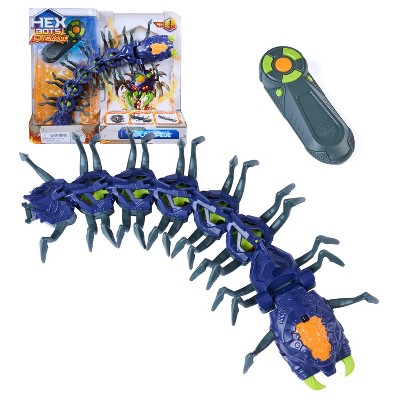
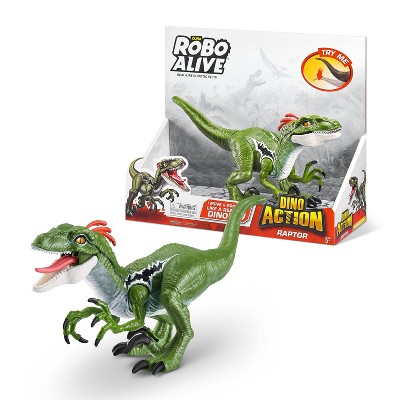
Interactive models advertise features such as smart movement technology, slithering or crawling action, remote-control or autonomous modes, LED eyes, and collapse/reveal mechanics. Larger robotic units may include rechargeable power systems (some recharge via USB‑C), while smaller toys typically use replaceable batteries.