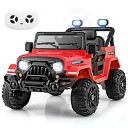
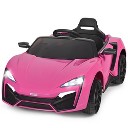
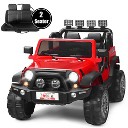
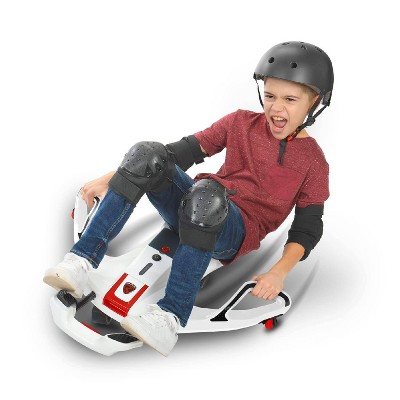
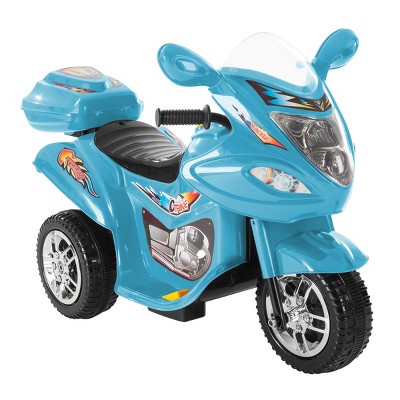
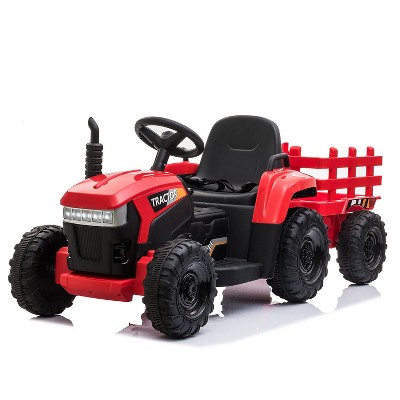
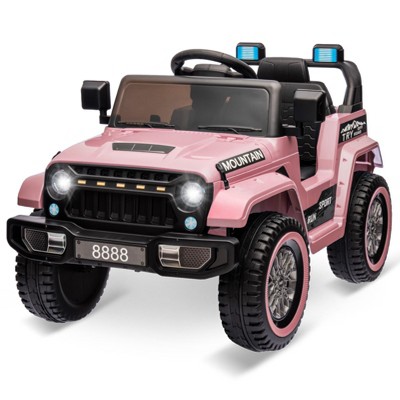
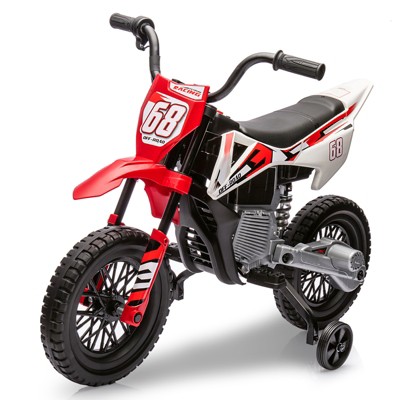
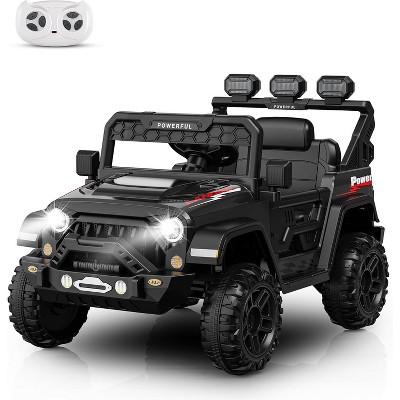
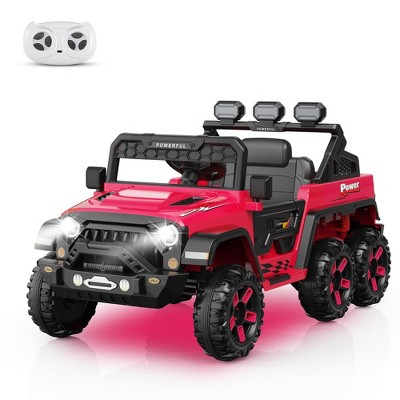
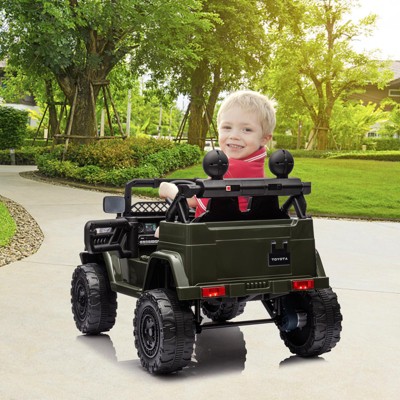
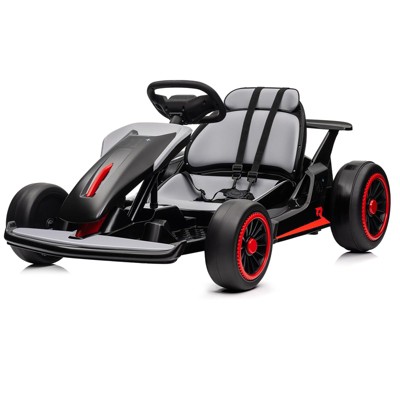
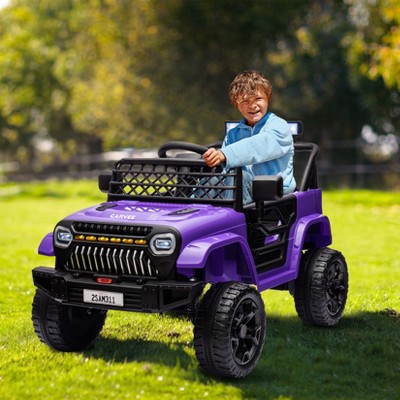
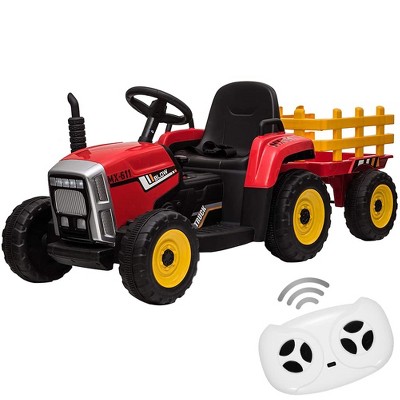
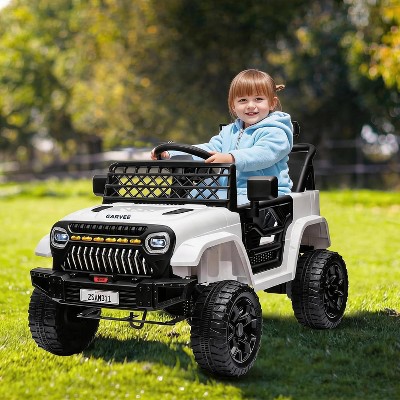
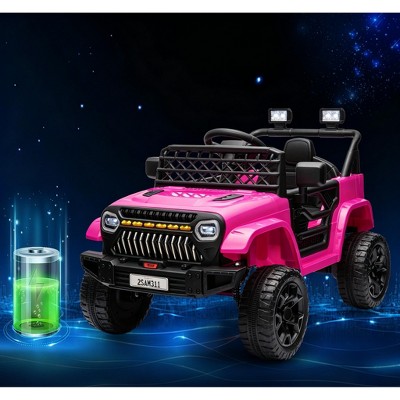
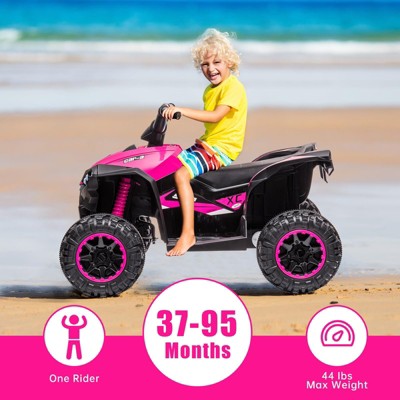
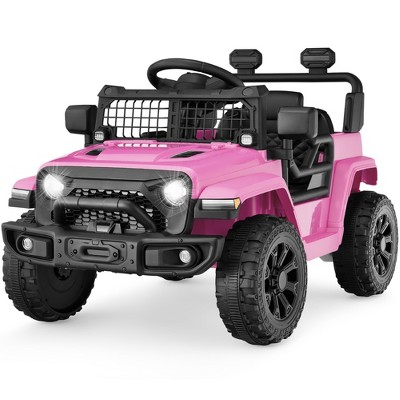
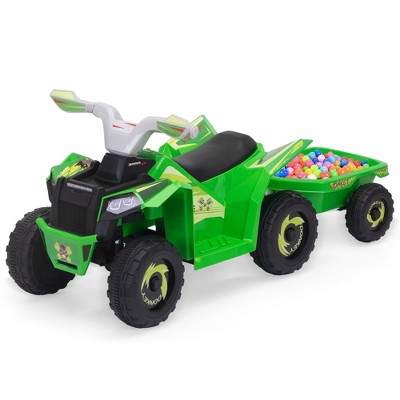
Most ride-on cars target preschool and early school ages — commonly labeled “3 years and up” or given ranges such as 3–8 years, with many models aimed at roughly ages 3 through 8.
Top speeds vary by model — listed maximums run from about 1.24 mph at the low end up to roughly 5 mph, with many models commonly reaching between about 2.5 and 4.5 mph.
Common safety features include seat belts (some models offer 3‑point belts), lockable or openable doors, soft-start/slow-start systems to prevent jerky acceleration, and spring suspension to reduce bumps.
Bodies are typically molded plastic (for example, polypropylene or similar plastics), while the chassis or internal frame often uses metal or steel components for structural support.
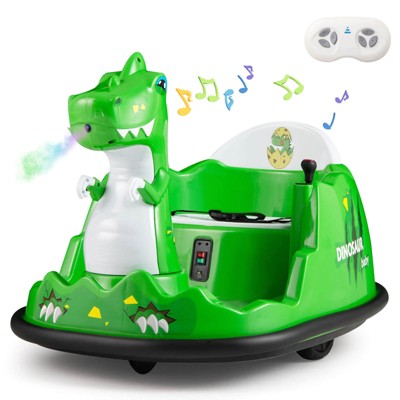
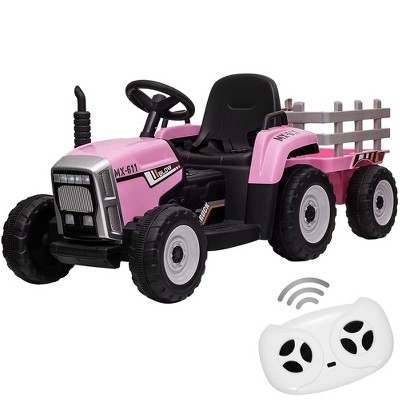
Many models provide two driving modes: child-operated driving and a parent remote (commonly 2.4 GHz). Remotes typically include multiple speed settings, forward/reverse control, and soft-start/stop functions for gentler acceleration.
Most listings recommend paved surfaces — asphalt, pavement, cement, or boardwalk/brick paths. Several models also note short grass as suitable, and a few mention limited use on gravel, dirt, or mud.
Most ride-on cars require adult assembly. Some listings state “tools provided,” others say “tools not provided” or “some tools provided.” Assembly can take time, so carefully following the instructions is recommended.






 + 1
+ 1