Capacity varies by type. Small stackable bins and some shelves typically list per-shelf or per-unit capacities around 25–30 pounds. Heavy-duty wire shelving units often list much higher per-shelf capacities (examples include 160 lb and 350 lb maximum shelf capacities). Some larger furniture-style units list total load capacities up to about 240 pounds. Check each product’s specification for exact per-shelf and total load limits.
Common safety and stability features include anti-tip anchoring hardware to secure units to walls and self-leveling designs to compensate for uneven floors. These features help keep units stable once installed—look for them in product descriptions if tipping or floor unevenness is a concern.
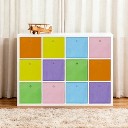
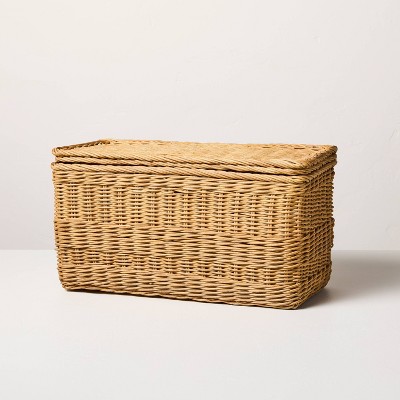
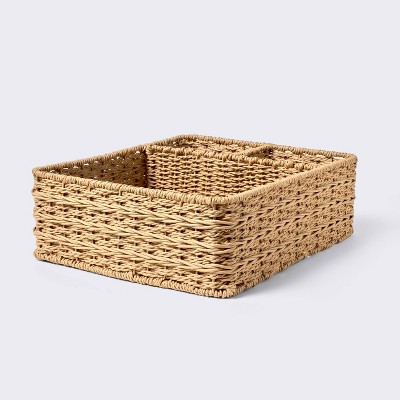
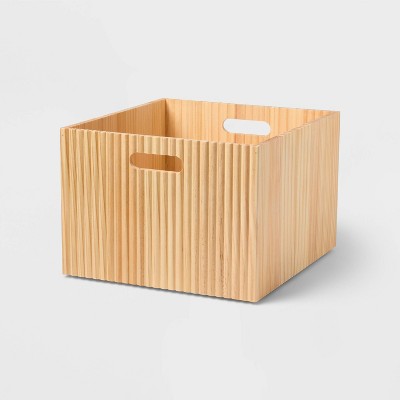
Common finishes include solid white laminate, natural wood tones, neutral painted or laminate fronts and backs, and clear plastic for bins. Many listings emphasize neutral hues designed to match a variety of room decors.
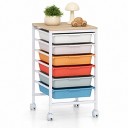
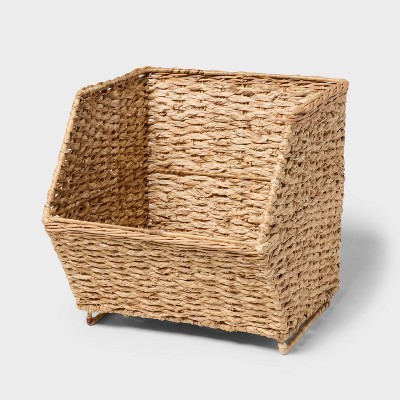
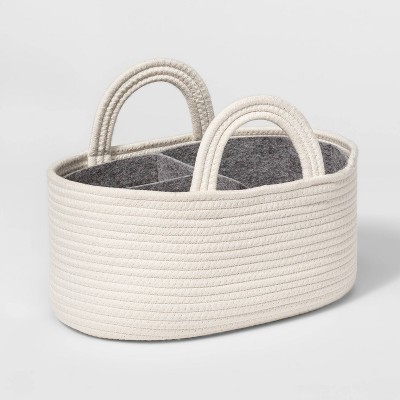
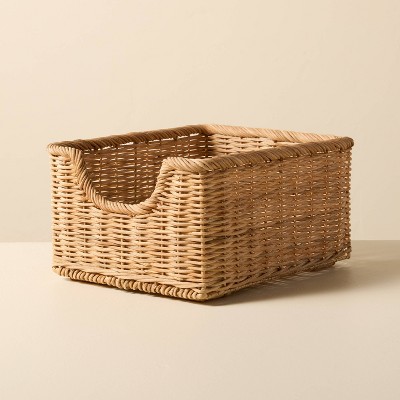
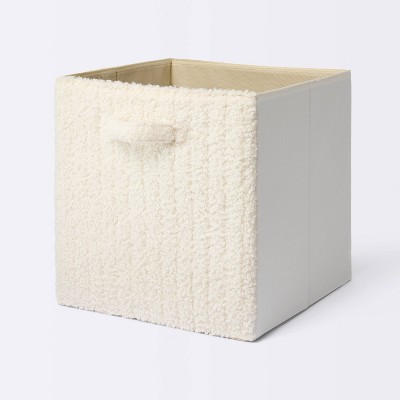
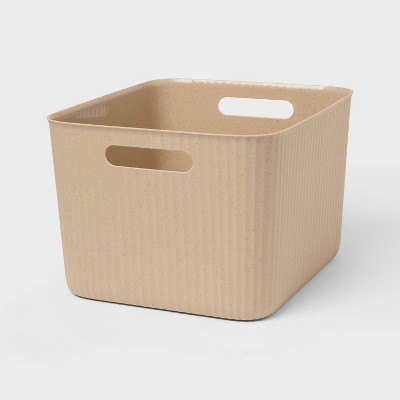
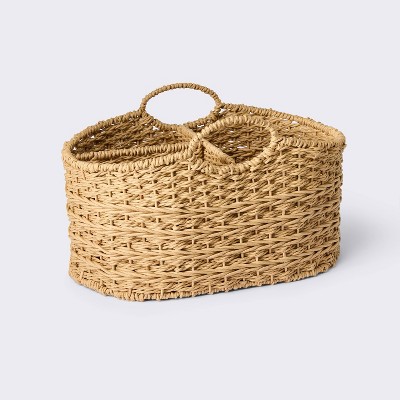
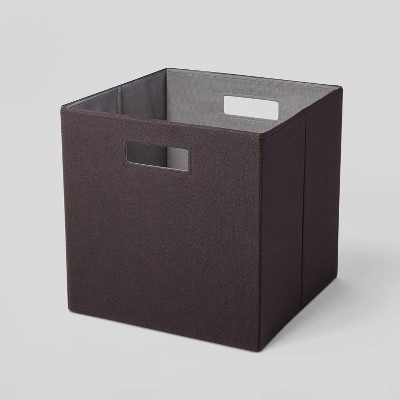
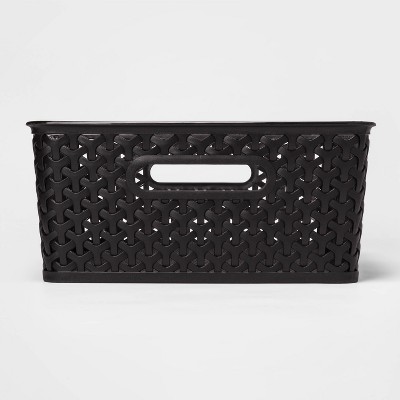
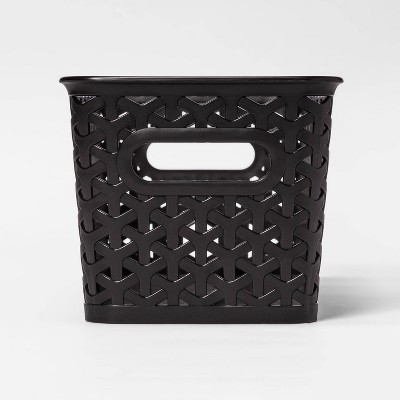
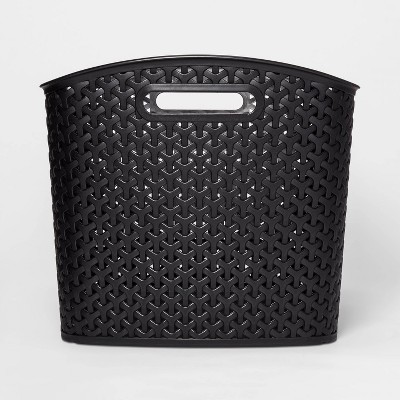
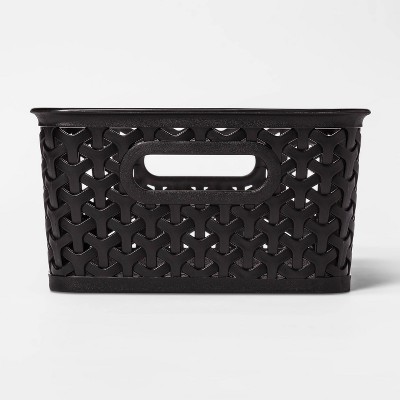
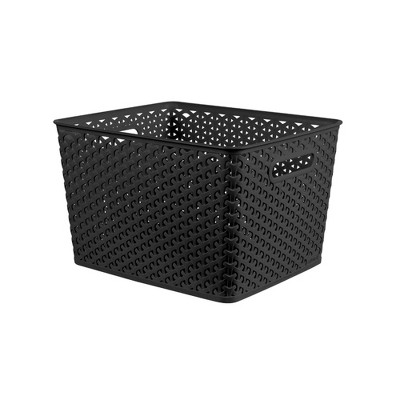
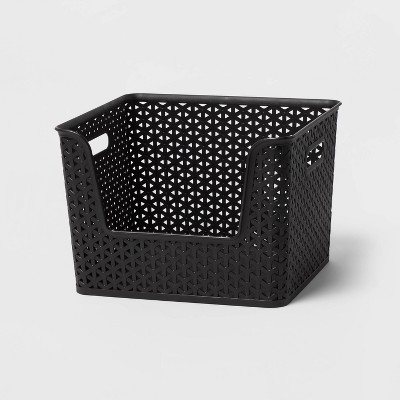
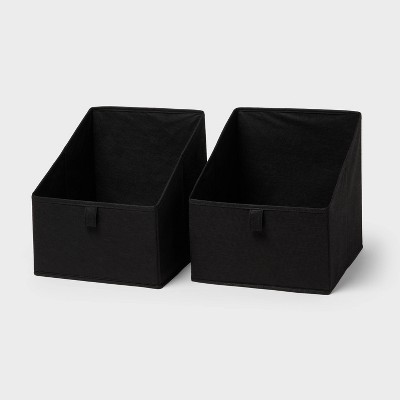
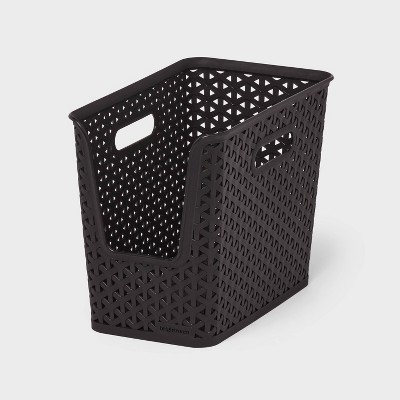
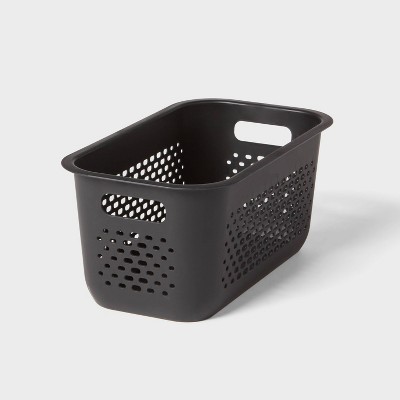
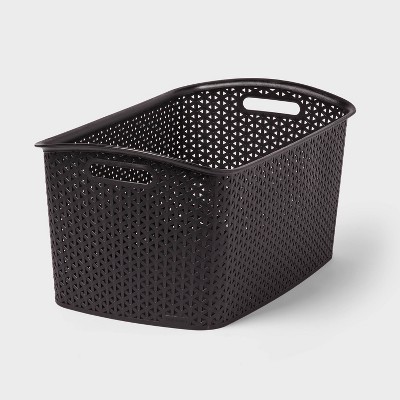
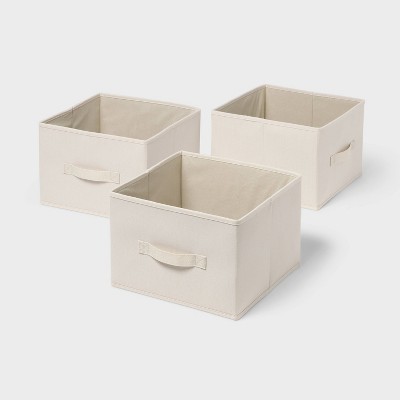
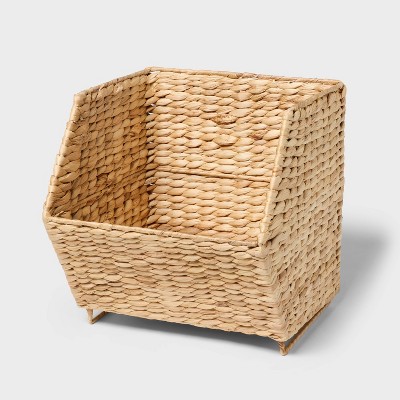
Many organizers prioritize easy access and portability: open-front bins keep contents visible, some plastic bins include built-in handles for carrying, and lightweight units are often easy to move. Design choices vary by product, so check descriptions for handles, open-front access, and weight information.
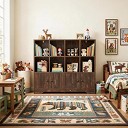
Room organizers are used across kids’ bedrooms, entryways, bathrooms, pantries, closets, and general home storage. Common uses include storing toys, toiletries, pantry items, and household goods—check the organizer’s size and configuration to match the intended room and items.
Care instructions are often sparse in product listings. One plastic bathroom bin explicitly lists "Care & Cleaning: Spot or Wipe Clean," but most furniture-style cube organizers do not clearly specify cleaning instructions in available product details. Refer to the specific product page for any listed care guidance.