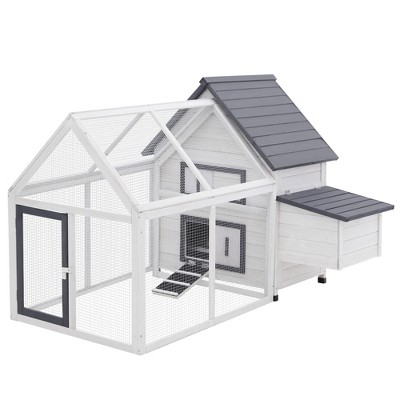
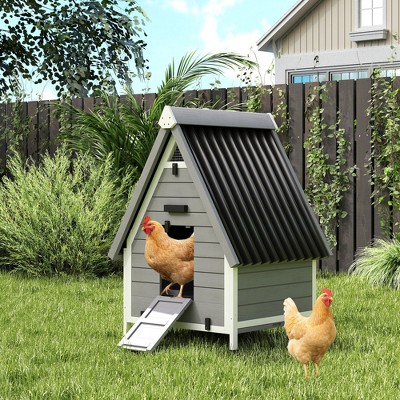
Most nesting boxes use either metal frames (often galvanized steel) or wood frames (such as fir); listings show both metal and wood constructions.
Common configurations include multi-hole models offered in 6, 8, or 10-hole layouts, often arranged across two tiers (for example, a six-hole two-layer design).
Many boxes use angled or sloped nesting floors that let eggs roll into front or rear collection trays. Listings also describe pull-out or roll-away trays that keep eggs off the nesting surface and speed up collection.
Boxes commonly include vent holes or side ventilation slots; galvanized-steel models may have vents in the sides and roof, and compartmented designs list ventilation slots to keep nesting areas cool and dry.
Options include wall-mounting using keyhole hangers and freestanding setups on legs. Keyhole mounts allow hanging and height adjustment, while wall-mounted boxes save floor space.
Listings commonly recommend mounting nesting boxes about 18–20 inches above the coop floor; keyhole mounts let you set a convenient height.
Space-saving designs stack nesting compartments vertically in multi-tier (two-tier) arrangements, allowing 6-, 8-, or 10-hole configurations across two levels to reduce floor footprint.
Protective features include private compartments, roll-away or covered collection trays that keep eggs out of reach, and physical elements like perches and baffles that stop eggs from rolling or being broken by other birds.