Measure around the pelvic landmarks the product recommends. Common methods are: (1) measure from one anterior superior iliac spine (ASIS) around the back to the opposite ASIS, or (2) measure pelvic circumference at about one inch above the greater trochanters. Use the measurement to match the manufacturer’s size chart for the correct fit.
Look for a lightweight, breathable, and concealable design with comfortable materials. Common maternity/postpartum features include a no‑buckle design for comfort, a detachable belly pad for abdominal support, and adjustable tension to stabilize the sacroiliac joint and pelvic ring while remaining discreet under clothing.
Hand wash in cold water with mild detergent, rinse, then line dry or lay flat to dry. Avoid hot water, machine washing, and tumble drying to prevent damage or shrinkage.
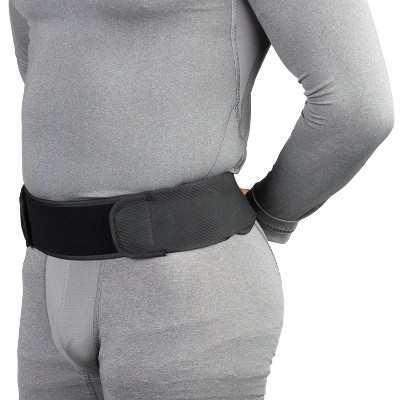
SI belts are designed to stabilize the sacroiliac joint and pelvic ring, promote pelvic and core stability during muscle retraining, distribute pressure evenly around the pelvis, and help relieve low back, pelvic, and referred hip or sciatic pain.
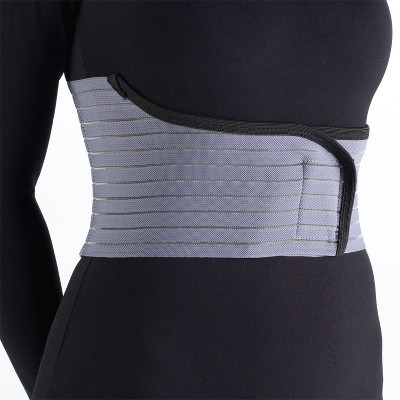
Anti‑slip or medical‑grade non‑slip pads, tapered or curved belt shapes that follow the pelvis, and secure adjustable closures (dual hook‑and‑loop, anti‑slip buckles, or smart tabs) are commonly used to keep an SI belt in place.
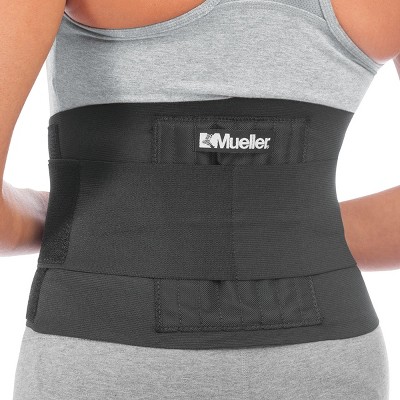
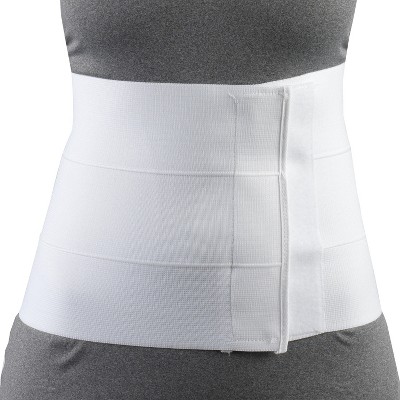
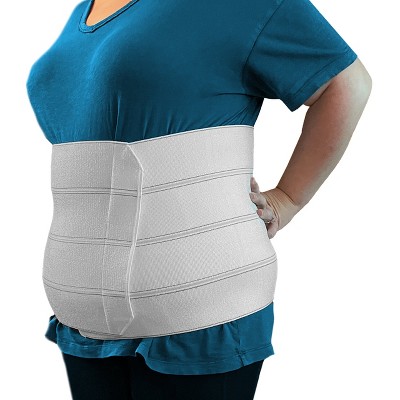
Pelvic belts offer single‑ or double‑layer compression, adjustable elastic tension straps or pulls, and hook‑and‑loop closures. Some designs pair an inelastic base with multiple elastic compression straps to provide localized, adjustable support.