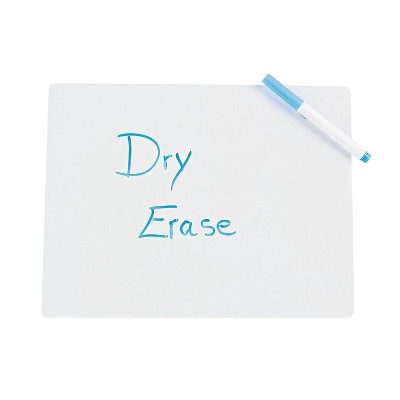
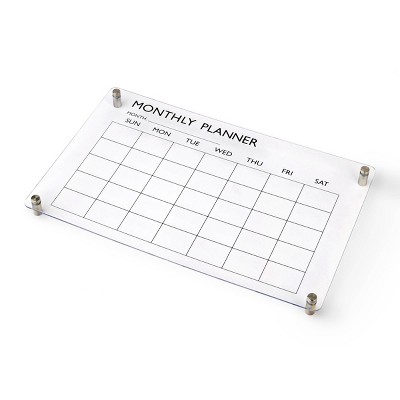
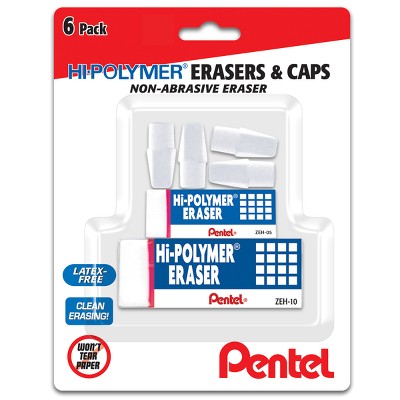
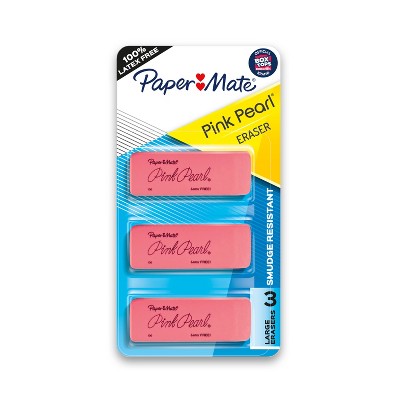
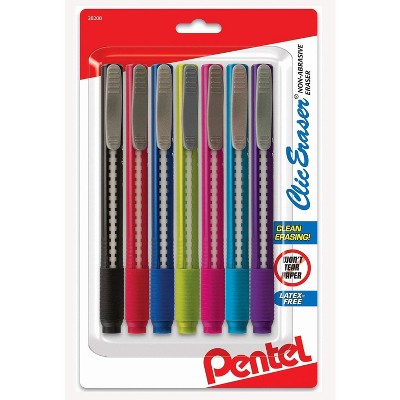
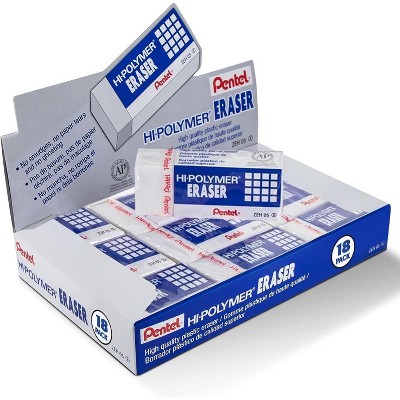
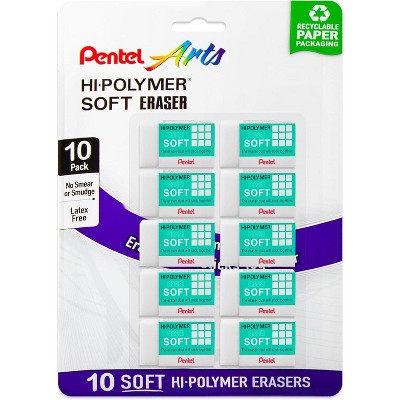
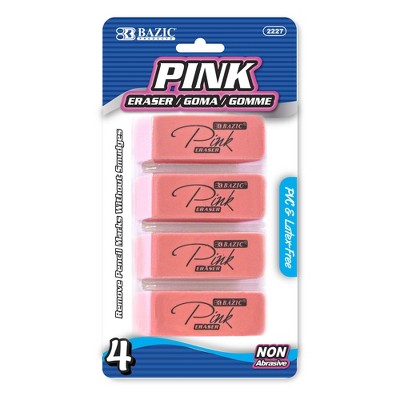
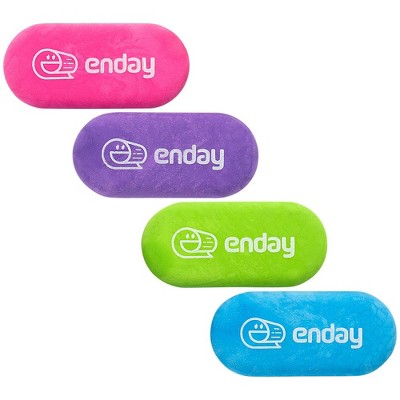
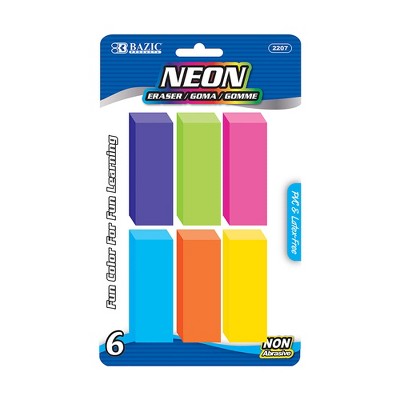
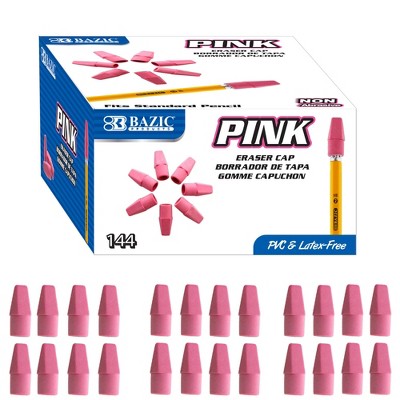
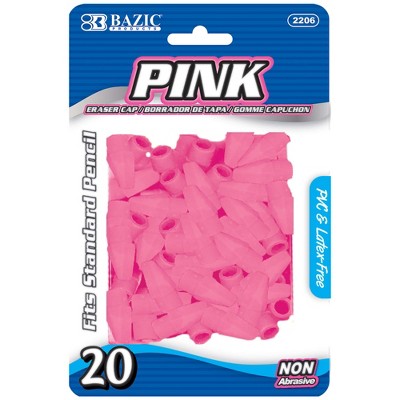
Soft erasers are used on different surfaces depending on type: dry‑erase and marker boards and small personal whiteboards; paper for removing pencil marks; and various household surfaces such as desks, kitchen countertops, doors, walls, bathtubs, oven doors, and other multi‑surface areas (type permitting).
Many soft erasers use felt, soft fabric, or non‑abrasive foam designed to remove marks without scratching. However, some cleaning sponges and pads that claim multi‑surface use also list restrictions — avoid using them on polished finishes, certain wood surfaces, and copper unless the product explicitly says they’re safe.
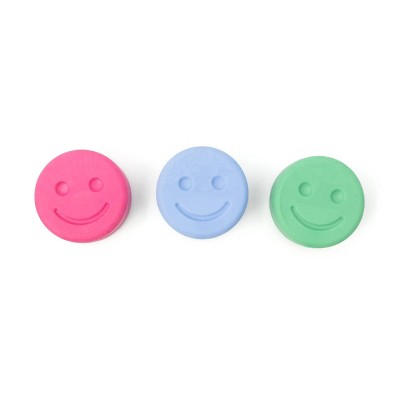
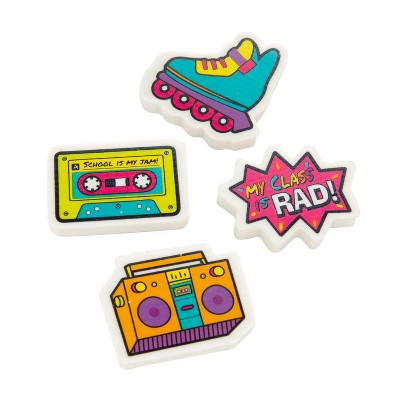
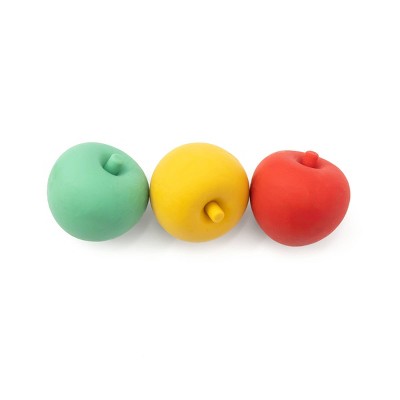
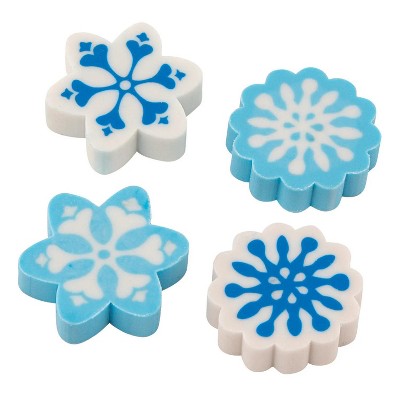
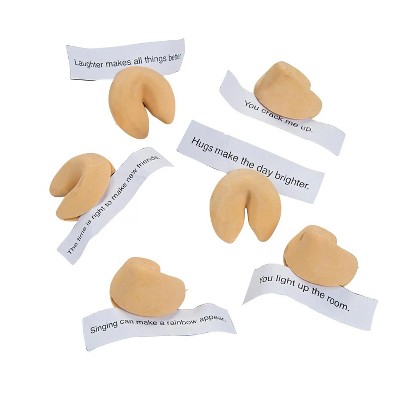
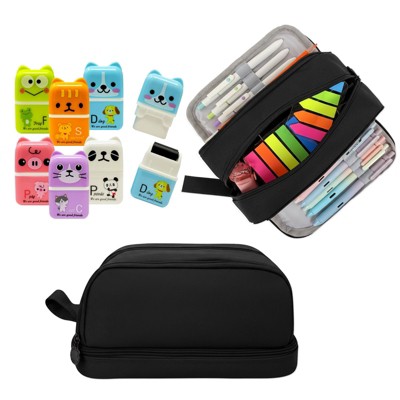
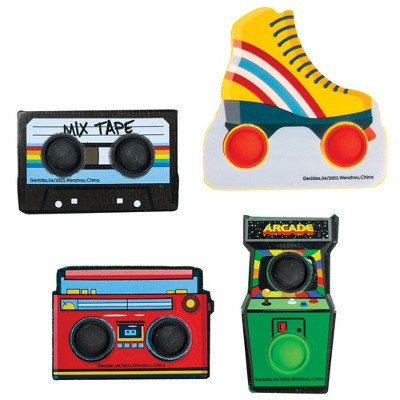
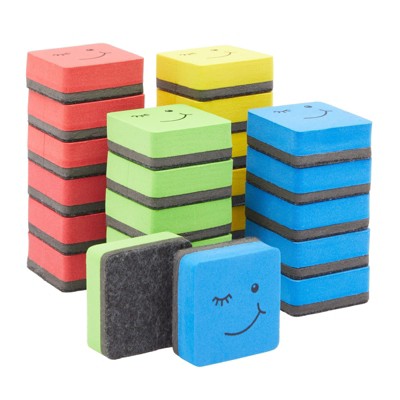
Kid‑friendly and classroom options include plush novelty dry‑erase erasers (often with googly eyes), small novelty food erasers, soft felt or microfiber magnetic whiteboard erasers sized for sharing, and bulk multi‑packs intended for teachers and school use.
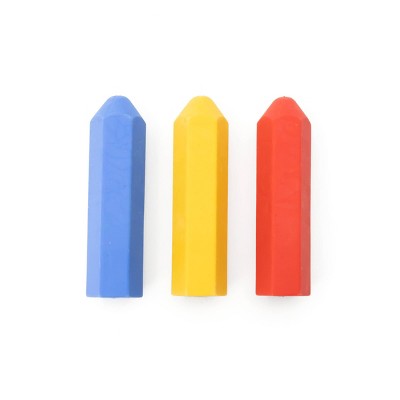
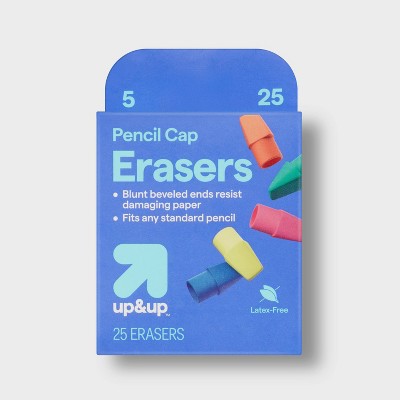
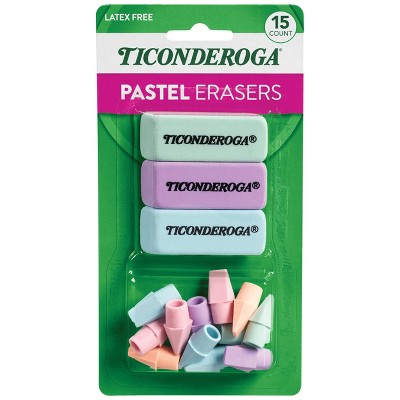
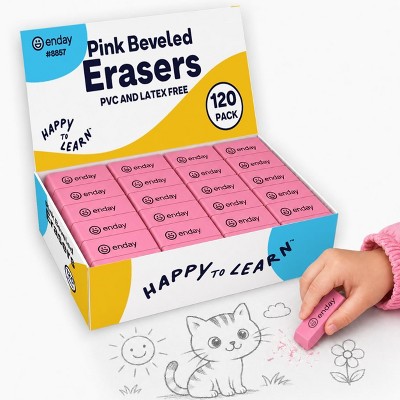
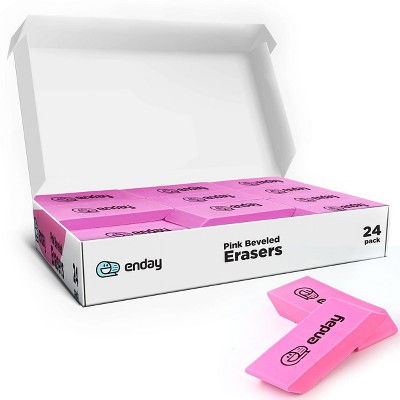
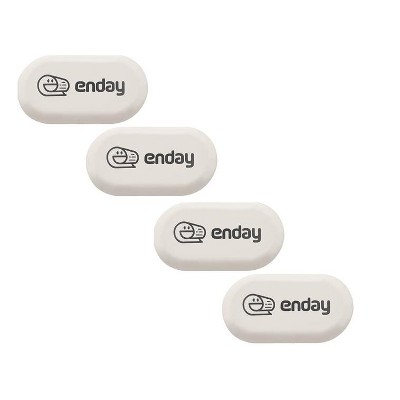
Sizing varies by model and intended user: novelty dry‑erase erasers are often about 3" long and designed for small hands; block pencil erasers are compact (for example ~1" x 2.5" x 0.5"); melamine pads and larger cleaning sponges are bigger — examples include roughly 4.6" x 2.4" x 1" and about 7.5" x 5.4" x 1–1.9" for easier adult handling.
Although many cleaning eraser sponges advertise multi‑surface use, they commonly advise against using them on polished surfaces, unfinished or certain finished wood, and copper.
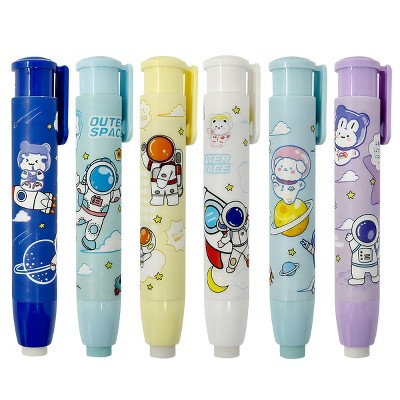
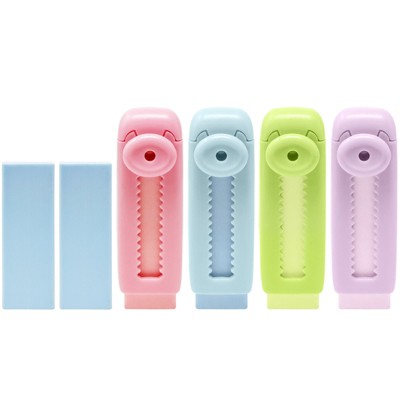
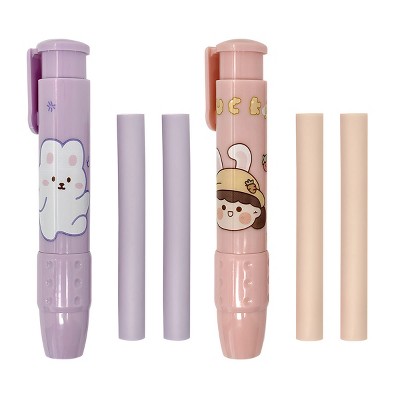
Common convenience features include built‑in magnets for on‑board storage, soft felt or fabric faces for gentle, streak‑free erasing, right‑ or left‑handed and block shapes for precise erasing, and protective sleeves for some block pencil erasers.