Soft golf-ball shells are commonly made from polyurethane, urethane, ionomer, or EVA. Fills or cores vary by model and include foam, rubber, polyurethane, or hollow/no‑fill constructions depending on whether the ball is a lightweight practice ball or a regulation-style soft ball.
Practice training balls are often smaller, typically about 40 mm (≈1.57 inches) for hollow practice balls, while regulation soft golf balls are listed at the standard 1.68‑inch diameter.
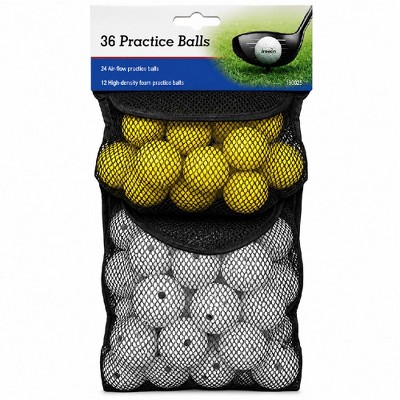
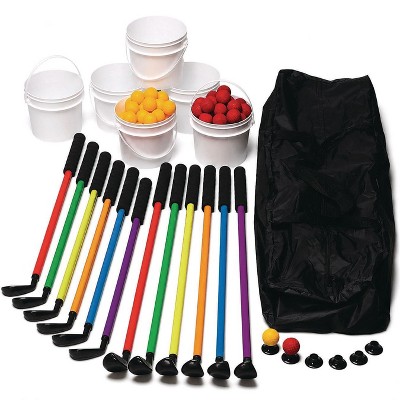
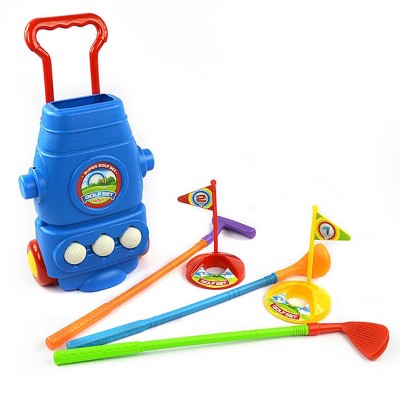
Lightweight hollow polyurethane practice balls and EVA foam practice balls are specifically marketed for indoor and backyard use. Product listings commonly note they’re suitable for indoor/outdoor practice, and some include range baskets or multi‑ball packs for at‑home use.
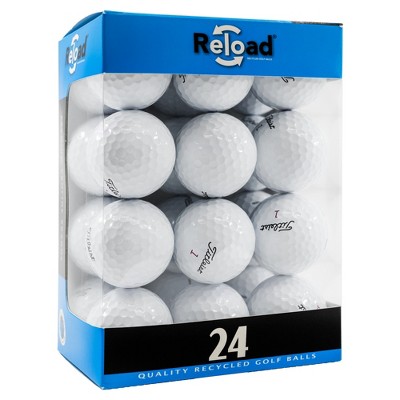
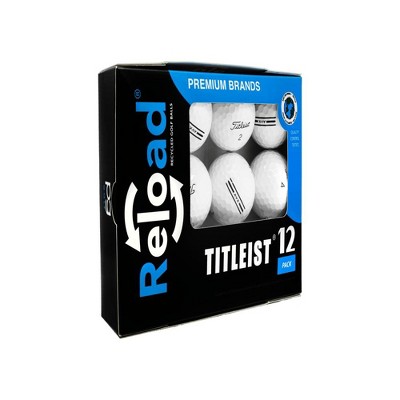
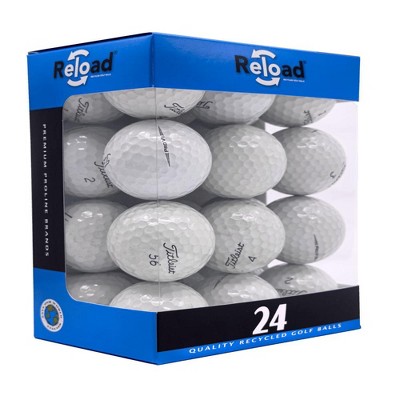
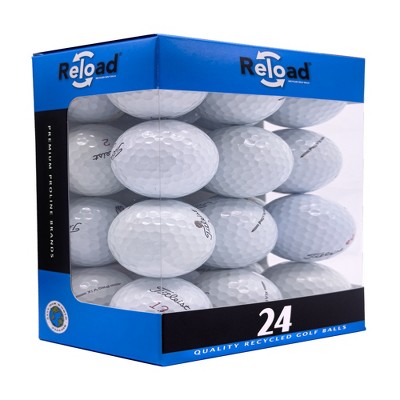
Many soft golf balls are sold in 12‑packs. Practice sets can also be single items, larger range baskets (for example multi‑dozen packs), or other multi‑count bundles depending on the product.
Age guidance varies: some products are marketed for adults, others are labeled 'all ages,' and certain practice balls list minimum ages such as 3 years or 10 years and up. Always check the product label for the recommended minimum age.
Practice foam balls often use scalloped holes or dimpled foam patterns to reduce flight. Regulation-style soft balls use traditional dimples or hex/HEX surface geometries to manage airflow and produce stable, penetrating flight and lift characteristics.
Descriptions commonly link larger or low‑compression cores with a softer feel at impact. In some designs, manufacturers say these cores also help produce longer tee distance—labeling low‑compression or 'faster' cores as delivering both a softer touch and greater travel.