Target New ArrivalsBack to SchoolCollegeHalloweenClothing, Shoes & AccessoriesHome & DecorKitchen & DiningOutdoor Living & GardenGroceryHousehold EssentialsBabyBeautyPersonal CareSports & OutdoorsPetsHealthWellnessSchool & Office SuppliesToys & GamesElectronics & TechVideo GamesMovies, Music & BooksParty SuppliesGift IdeasGift CardsShop by CommunityTarget OpticalDealsClearanceNew ArrivalsBack to SchoolCollegeTop DealsTarget Circle DealsWeekly AdShop Order PickupShop Same Day DeliveryRegistryRedCardTarget CircleFind Stores

the labyrinth game

1,000+ results for “the labyrinth game”
Sponsored
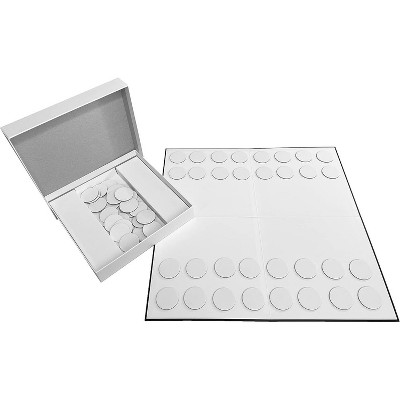
THE UNGAME®

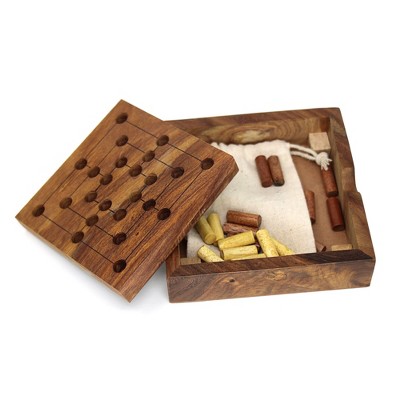
WE Games Old School Brown and Natural Wooden Checkers Set -11.75 in.

$34.99
reg $39.99
Sale

Sponsored

Powered by AI

Guests also ask:

Labyrinth games cover a wide range of ages. Many children's versions are labeled for about 4 years and up, while other designs list 5 or 6 years as the minimum; some versions are intended for ages 7 and up. Recommended age varies by complexity, so check the product's listed minimum age.

Marble-based tilt mazes use a suspended maze surface that you tilt (typically with knobs or controls) to guide a steel marble through holes and paths. Sliding-tile labyrinth board games use movable path cards or maze tiles that players slide on the board to open and close routes, changing the maze layout as play proceeds.

Common types include video-game dungeon-crawlers, physical marble tilt mazes with a suspended or rotating surface, tabletop marble mazes operated by a manual joystick or controls, and sliding-tile board games where the maze shifts each turn.

Most sliding-tile labyrinth board games list playtimes around 15–30 minutes, with common listings such as 15–20 minutes, 20 minutes, or 20–30 minutes.

Typical components include instructions, a game board, playing pieces, and cards; some sets also include separate maze tiles as part of the game components.

Materials vary by design. Classic tilt mazes often use natural hardwood with a suspended, rotating maze surface and control knobs, while many tabletop maze toys and their parts are made from plastic.

Labyrinth games can support several skill areas: motor and sensory (balance, fine motor skills, sensory development), attention and perception (concentration, perception, patience), and cognitive skills (creative thinking, problem solving, logical thinking).

Get top deals, latest trends, and more.