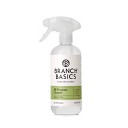
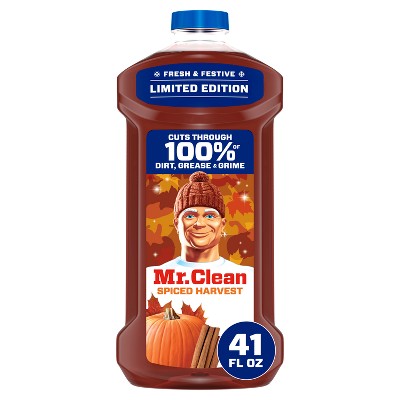
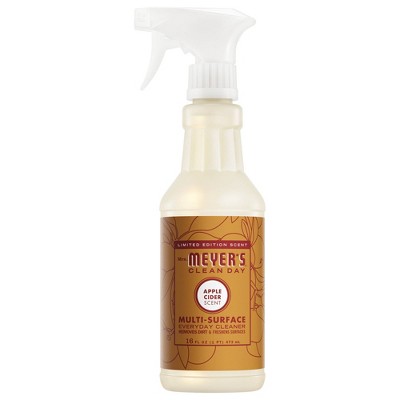
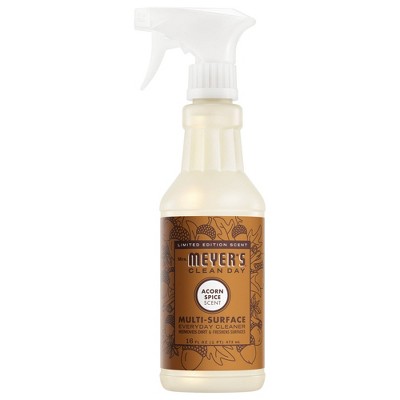
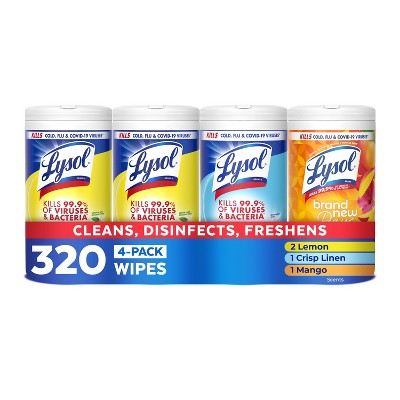
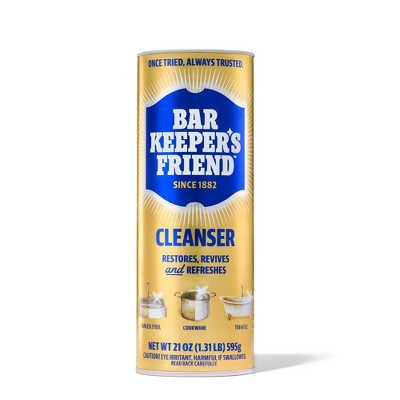
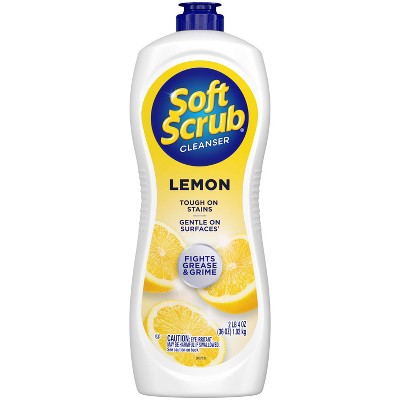
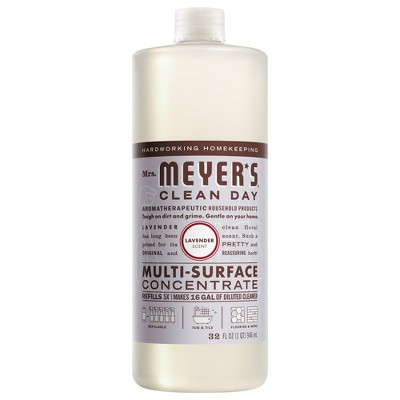
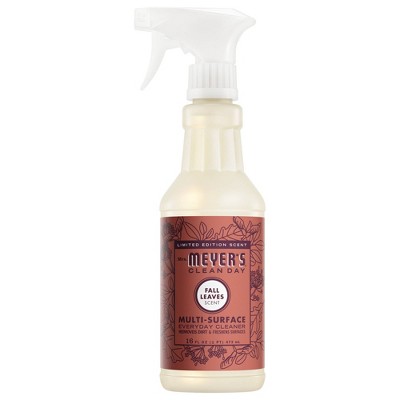
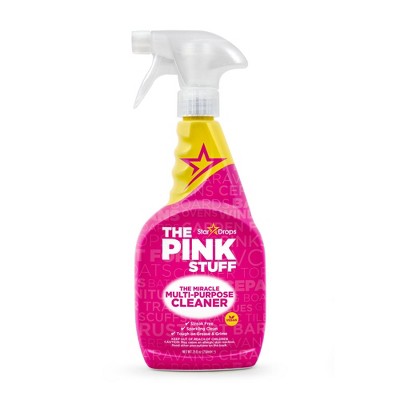
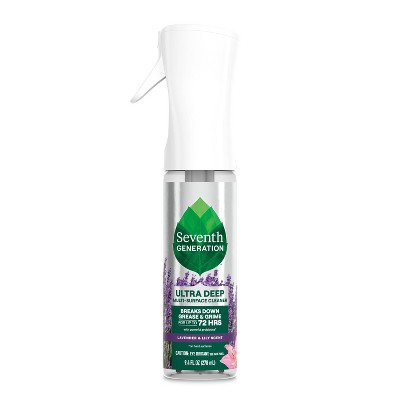
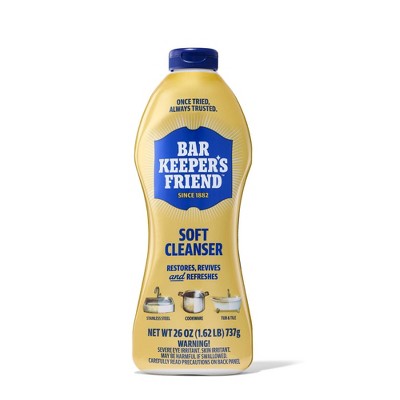
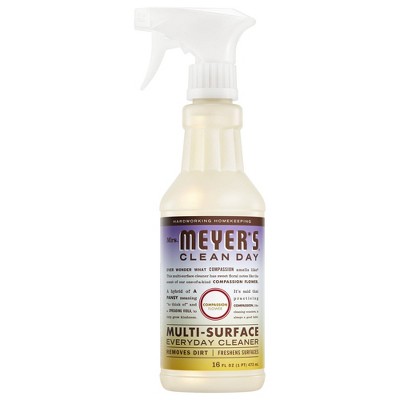
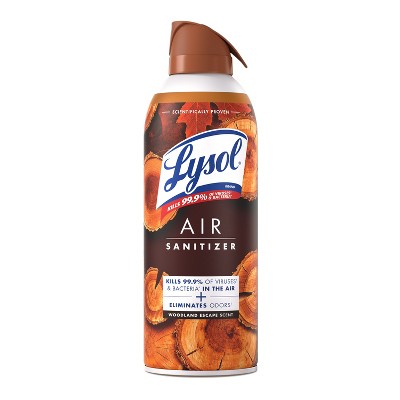
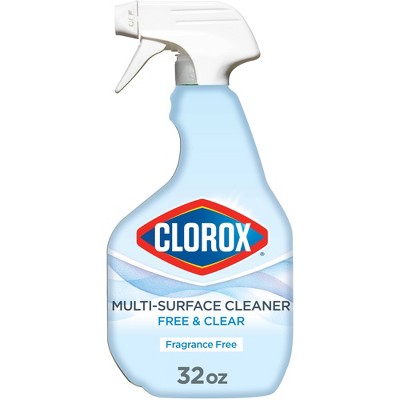
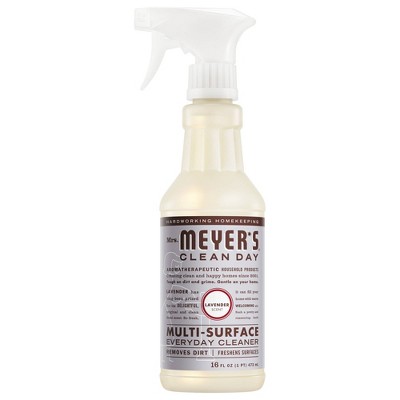
Application depends on the product form: powder cleansers are used with water—sprinkle, scrub, then rinse; liquid floor cleaners are typically poured or squirted and mopped with no rinse required; spray cleaners are generally used spray‑and‑wipe or spray‑and‑leave for routine maintenance.
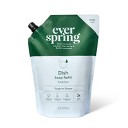
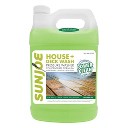
These cleaners appear in a range of bottle sizes and refill formats, from smaller bottles such as 16.9 fl oz, 19 oz, 21 oz, 25 fl oz and 28 fl oz up to larger refill options like 68 fl oz.
Listings commonly use reduced‑chemical claims such as “Non‑Toxic,” ammonia‑free, and bleach‑ or phosphate‑free. Many also advertise being made without parabens, phthalates, sulfates or phosphates and use labels like hypoallergenic, dye‑free, no‑fragrance/unscented.
Most are marketed for hard, non‑porous surfaces—examples include porcelain, glass, ceramic, metal/chrome, sealed wood, tile and stone. Some products note they should not be used on porous stone (e.g., granite or marble) or on lacquered, painted or mirrored finishes.
Common sustainability notes include recycled‑content packaging or bottles made from post‑consumer/PCR recycled plastic, refill options to reduce plastic waste, and claims that formulas are biodegradable or biobased on some listings.