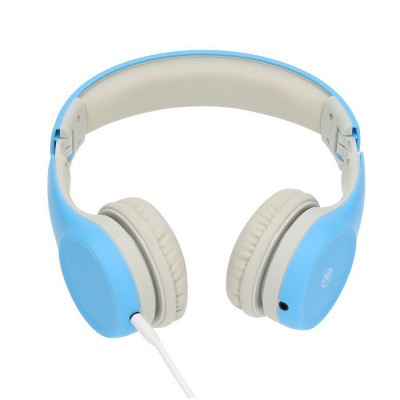
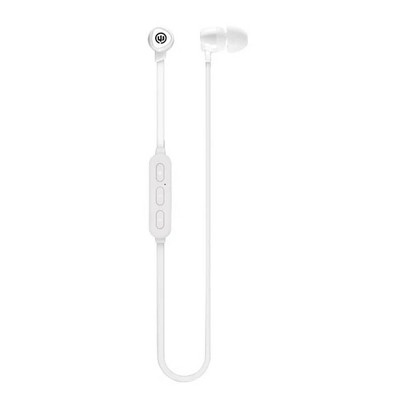
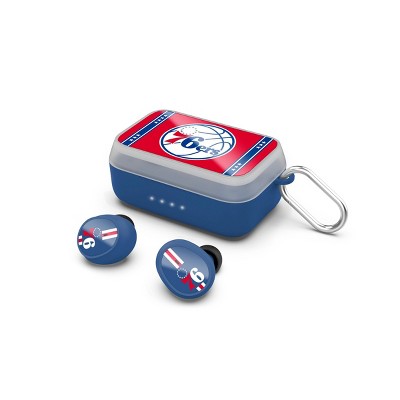
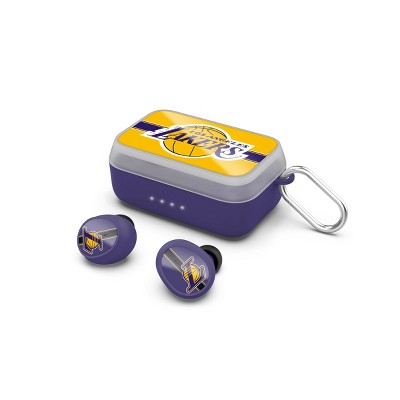
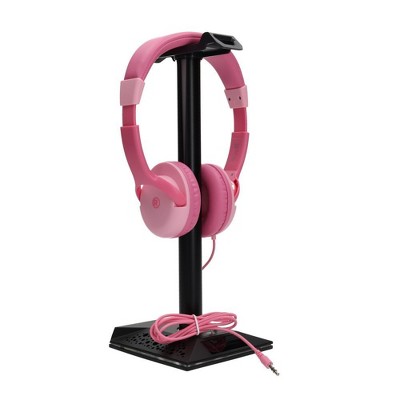
Most toy headsets offer either a wired 3.5 mm connection for simple plug-in use or Bluetooth for wireless pairing. Choose wired models for direct connection to devices and Bluetooth models for cable-free listening and pairing with tablets or phones.
Wireless runtimes vary widely by model. Listings show some kids' headsets rated around 50 hours and others up to 100 hours with LEDs off, while models with lights can run as little as about 8 hours. Check the product specifications to see how features like lighting affect the stated battery life.
Toy headsets are offered for a broad range of ages, from infant/toddler options (for example, models suggested for 6–36 months) up to designs intended for older children (commonly labeled 3 years and up). Always check the manufacturer's age recommendations before buying.
Some headsets separate the audio drivers from a soft fabric headband so the band can be machine washed. Other models have detachable cables, removable ear pads, or foldable parts to make cleaning, storage, and replacement easier.
Many kids' headsets limit maximum volume to about 85 dB. Some models offer parental controls or selectable limits (for example, options for 85 dB or 94 dB), and a few provide settings to restrict daily listening time. Check product details to see which volume controls are included.
Wired kid headsets often need no battery, while wired light-up designs typically use small coin cells (e.g., CR2032). Wireless kids' headsets use rechargeable lithium-based batteries (lithium-ion or lithium‑polymer).
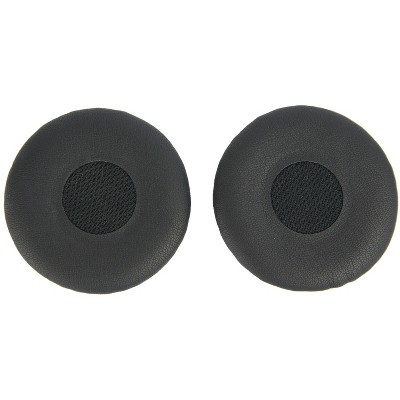
Headbands commonly use soft fleece or padded fabric, while ear cushions are often foam or leatherette. Some designs let you detach speakers or cords so the headband and pads can be washed.
Kid-friendly headsets typically include volume limiting or parental volume controls, soft adjustable headbands and padded earcups for comfort, durable or foldable constructions for travel, and removable/washable parts. Some models also offer oversized, easy-to-use controls and, in a few cases, active noise-reduction features.
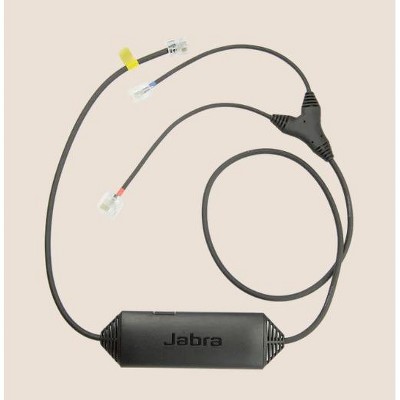
Controls and microphones are commonly placed either on the earcup or inline on the cable. Wired models often use inline volume or on/off switches and may or may not include a microphone; wireless models typically have on-head controls and a built-in mic.
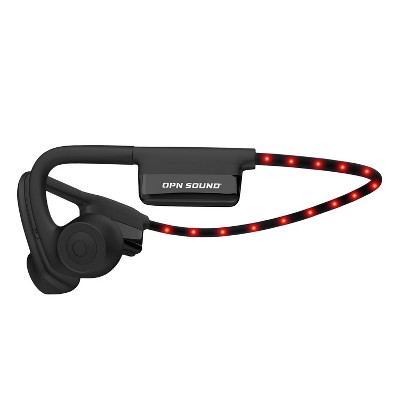
Many kid headsets add playful visuals such as light-up LEDs (including light-up cat ears), colorful designs, 3D animal characters, and personalization options like sticker sets.