Target New ArrivalsHalloweenClothing, Shoes & AccessoriesHome & DecorKitchen & DiningPatio, Lawn & GardenGroceryHousehold EssentialsBabyBeautyTarget Beauty StudioPersonal CareSports & OutdoorsPetsHealthWellnessSchool & Office SuppliesToys & GamesElectronics & TechVideo GamesBooks, Music & MoviesParty SuppliesGift IdeasGift CardsShop by CommunityTarget OpticalDealsClearanceNew ArrivalsBack to SchoolCollegeTop DealsTarget Circle DealsWeekly AdShop Order PickupShop Same Day DeliveryRegistryRedCardTarget CircleFind Stores

train board game

1,000+ results for “train board game”
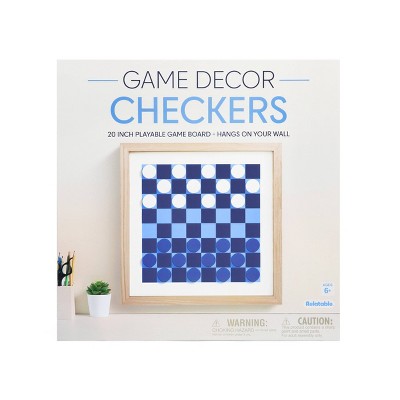
Board Game Checkers by What Do You Meme?

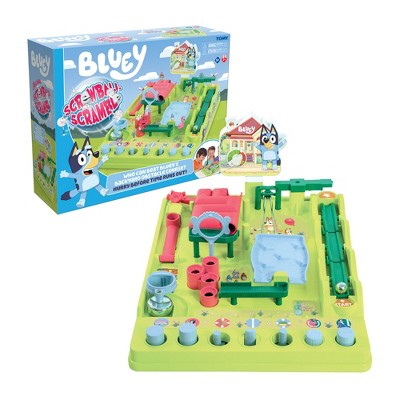
TOMY Screwball Scramble

$29.99
4.8(11)
Loved for: fun gameplay

From Me To You Game [For Couples]

$24.99
DSS GamesOnly at target
4.6(32)
Loved for: thoughtful prompts

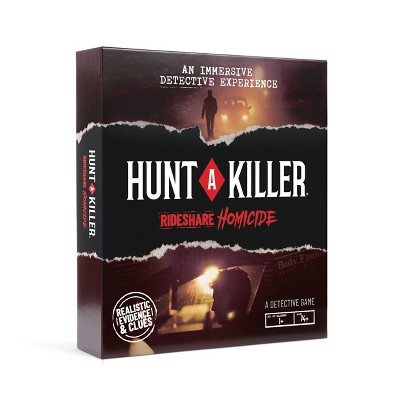
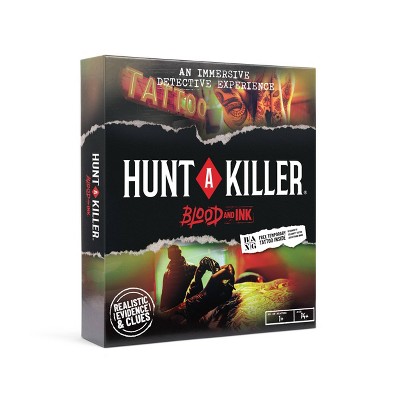
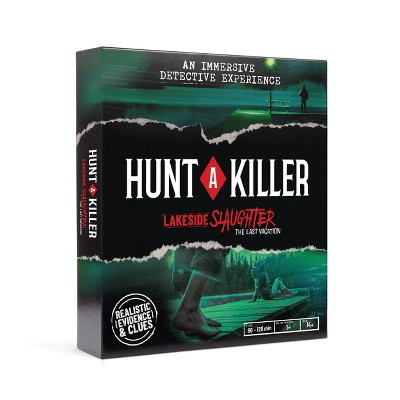
Hunt A Killer: Rideshare Homicide, Murder Mystery Board Game

See price in cart
Hunt A KillerNew at target
4.2(33)
Loved for: immersive experience

Sponsored

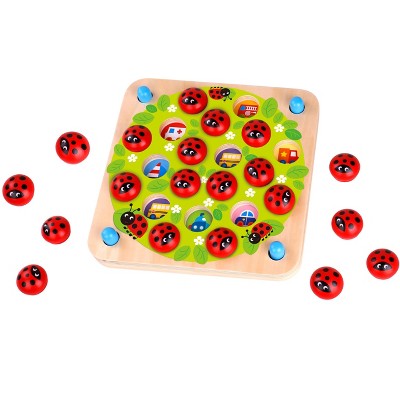
 Fat Brain Toys Ladybugs Garden Memory Game FB256-1

$24.95

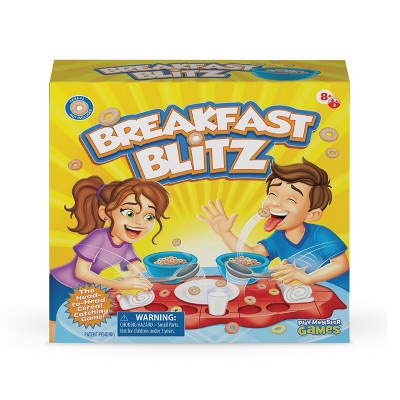
PlayMonster Breakfast Blitz Board Game

$19.99

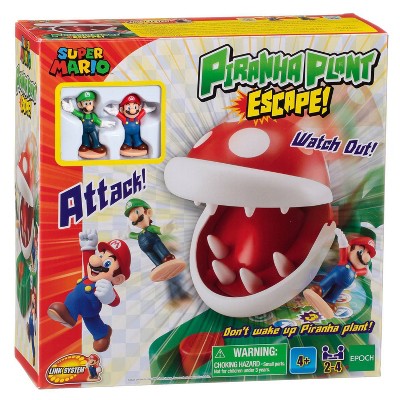
Epoch Games Super Mario Piranha Plant Escape! Game

See price in cart

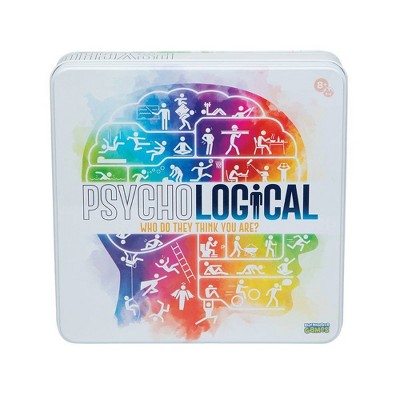
PlayMonster Psychological Board Game

$19.99
4.8(18)
Loved for: engaging gameplay

Sponsored

Powered by AI

Guests also ask:

Most train board games are designed for small groups—commonly 2–5 players—though listings range from solo options up to games that support 8 players in total.

Typical playing times fall in the 30–60 minute range. Shorter titles can take about 15 minutes, while some heavier games run 90–120 minutes.

Component size and build quality vary across titles. Some listings and reviews call out oversized cards and generally higher-quality components, which reviewers say can make gameplay easier and more durable, while other products use standard-sized, more basic components.

Target ages span widely—from as young as “5 years and up” to teen-focused “14 years and up.” Many family-oriented titles list intermediate ages (around 8 years) as the typical suggested minimum.

Strategic depth commonly comes from route- or network-building decisions, special route modifiers (tunnels, ferries, stations), and economic or auction-style mechanics. Some games break turns into distinct actions—rebuilding rails, riding trains, or collecting rail tokens—which increases strategy.

Skip to next section

Get top deals, latest trends, and more.