Target New ArrivalsBack to SchoolCollegeHalloweenClothing, Shoes & AccessoriesHome & DecorKitchen & DiningOutdoor Living & GardenGroceryHousehold EssentialsBabyBeautyPersonal CareSports & OutdoorsPetsHealthWellnessSchool & Office SuppliesToys & GamesElectronics & TechVideo GamesMovies, Music & BooksParty SuppliesGift IdeasGift CardsShop by CommunityTarget OpticalDealsClearanceNew ArrivalsBack to SchoolCollegeTop DealsTarget Circle DealsWeekly AdShop Order PickupShop Same Day DeliveryRegistryRedCardTarget CircleFind Stores

trains illustrated

836 results for “trains illustrated”

Oto and the Little Yellow Train - by  Suharu Ogawa (Hardcover)

$19.99
Release date Tue, Oct 20
Ships free -

Mockingjay: Illustrated Edition (the Hunger Games #3) - by  Suzanne Collins (Hardcover)

$29.59
MSRP $36.99
Release date Tue, Oct 6
Ships free -

The Little a Train That Could - (Little Engine That Could) by  Robb Pearlman (Hardcover)

$19.99
Release date Tue, Apr 13
Ships free -

Meg and Greg: Train Day! - by  Elspeth Rae & Rowena Rae (Paperback)

Sponsored

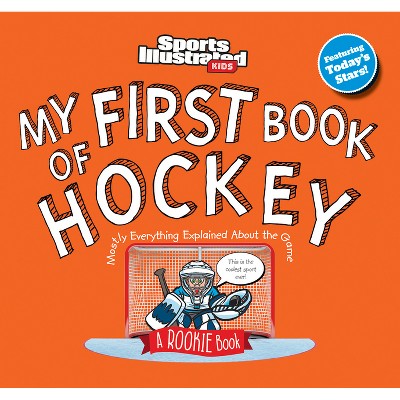
Sports Illustrated Kids Graphic Novels Boxed Set - (Paperback)

Sponsored

Powered by AI

Guests also ask:

Page counts vary widely across illustrated train books; examples range from about 32 pages up to 256 pages.

Common themes and settings include historical journeys such as 19th‑century transcontinental railroads, dawn or nighttime train trips, region‑specific routes (for example Alaskan lines), and broader looks at trains' roles in society.

Reference-style illustrated train books use cut‑outs and cross‑sections, detailed diagrams, explanatory endpapers, timelines, infographics, and photo‑led visuals to explain mechanics and history.

Picture-led train books for younger readers pair bold, rhythmic or rhyming text with large, bright full‑page illustrations, using clear cadence and simple visual storytelling to engage early audiences.

Across the examples, target ages span roughly 2–12 years. Common age brackets shown include 2–5 years, 4–7 years, 4–10 years, 8–12 years, and 9–12 years.

The results are labeled as juvenile fiction and juvenile nonfiction, typically within the transportation sub‑genre and focused on railroads and trains.
Get top deals, latest trends, and more.