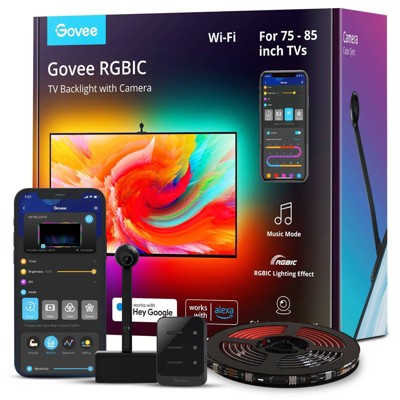
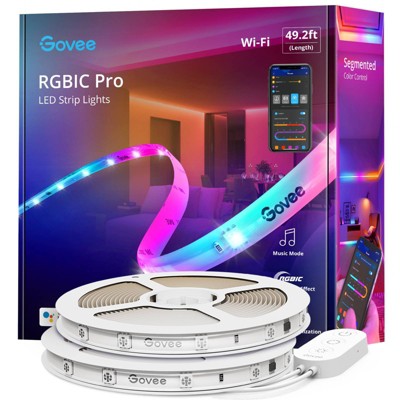
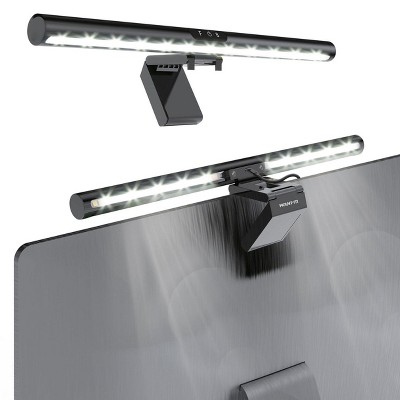
TV LED backlights are most commonly powered via USB (for light bars and many strip kits) or by mains power through an AC adapter. Some products specify a 5V, 2A supply. Battery power is generally not used for TV backlighting.
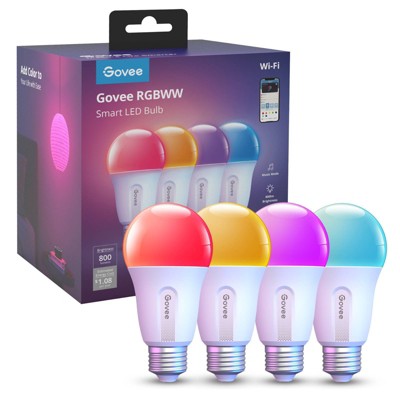
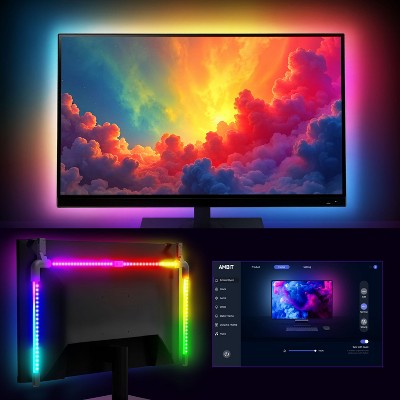
Many TV LED lights offer wide color ranges (often described as millions of colors) and dynamic effects. Some use RGBIC/segmented LEDs to show multiple hues simultaneously. Common presets include flashing, fading, and chasing, plus music‑reactive or audio/sound modes.
Typical installation methods include adhesive tape on the strip for sticking it to the TV back, included mounting clips or brackets for secure placement, and small clips/adhesives to attach accessory parts (for example, a color‑capture camera).
Product listings vary, but at least one strip lists an expected lifespan of about 30,000 hours and specifies 5050 LED chips. Other items simply identify their light source as LED without specifying chip type.
They use a few different methods: an onboard camera or color sensor that captures on‑screen colors, a built‑in microphone or music‑sync mode that reacts to audio, or a separate HDMI sync/bridge device for more accurate color matching.
Different kits target different TV size ranges. Examples in the listings include strips designed for about 55–60 in, 55–65 in, and 75–85 in TVs. Always verify the kit's stated fit for your TV size before purchasing.
Listings mention materials such as plastic and silicone. Many strips have a protective coating or a silicone sleeve/diffuser to protect the LEDs and soften or spread the light.