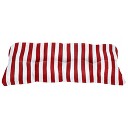
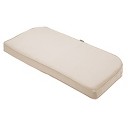
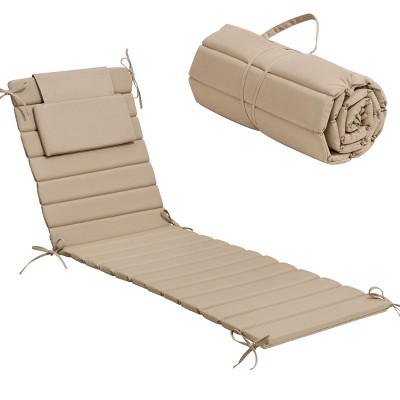
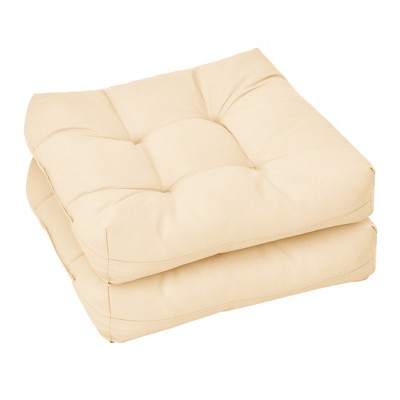
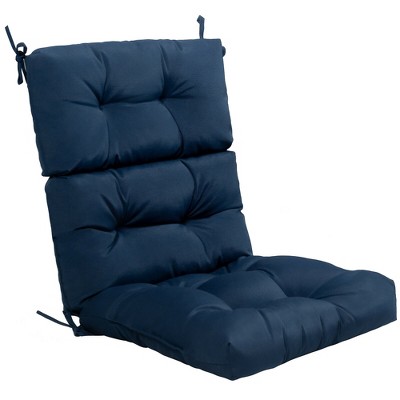
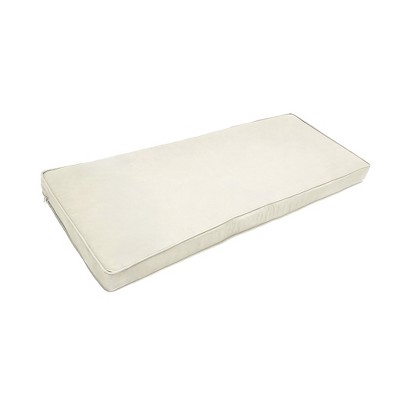
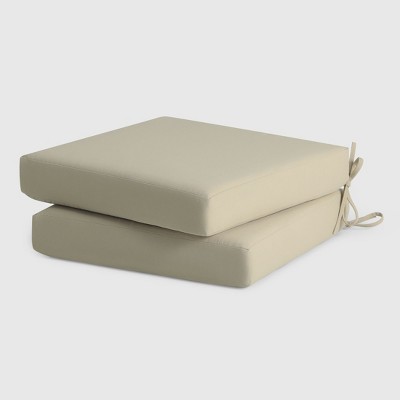
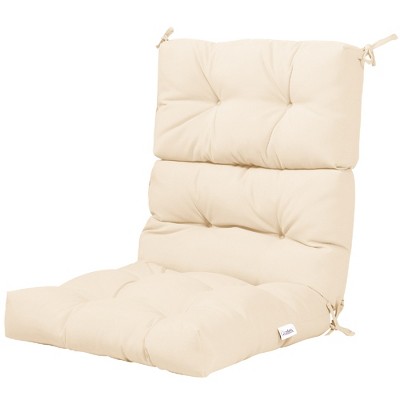
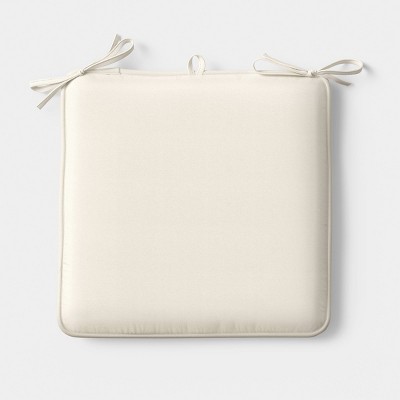
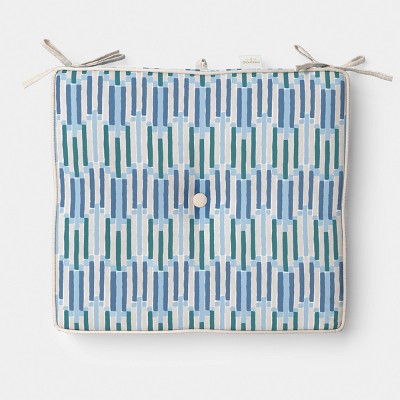
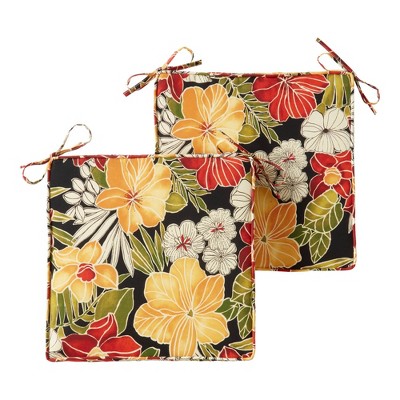
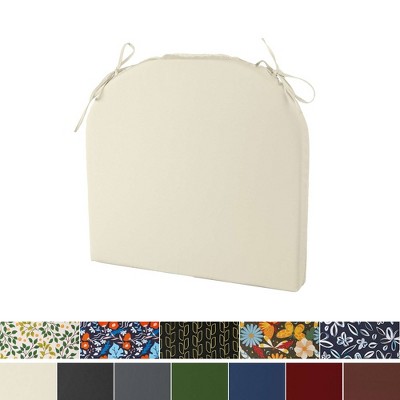
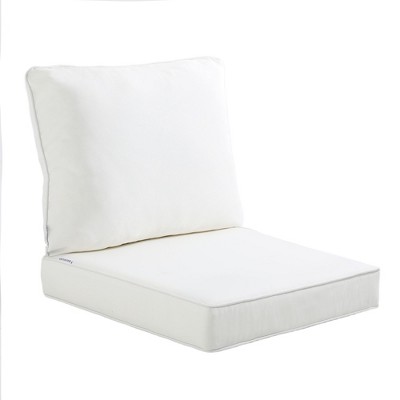
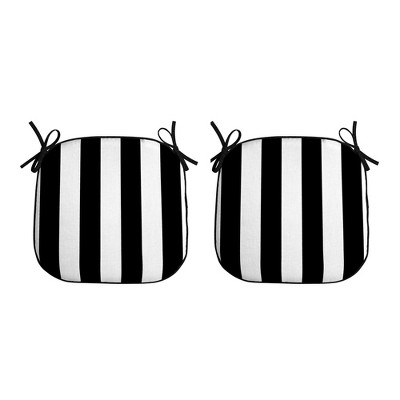
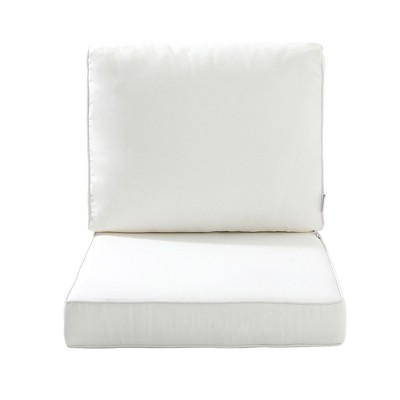
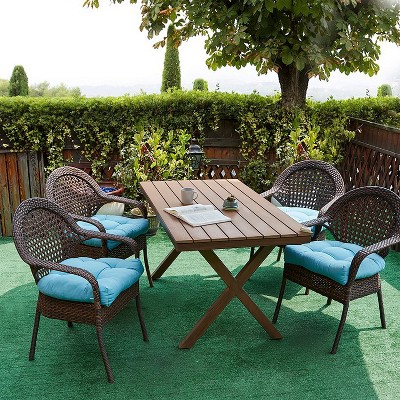
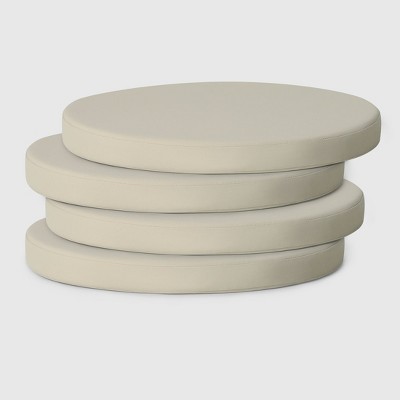
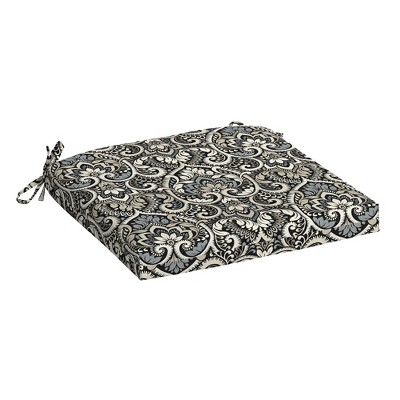
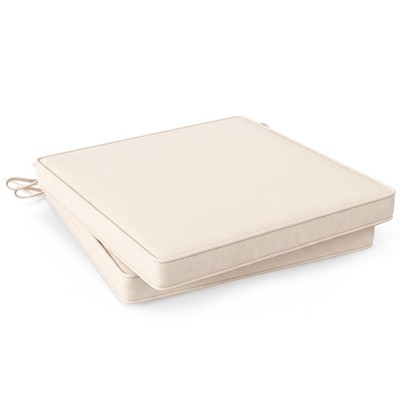
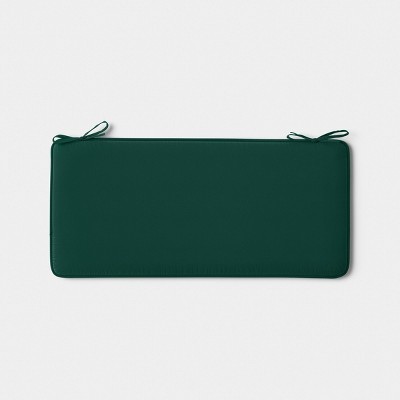
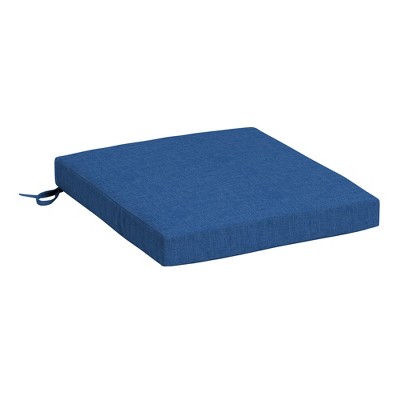
Common attachment and anti-slip features include ties and multiple straps or ropes, elastic back straps, adjustable buckle straps, and non-slip strap designs. These options are used to secure both seat and back cushions to outdoor settees and help prevent sliding on wicker or other frames.
Care varies by product, so always follow the manufacturer’s label. Common instructions include spot or wipe cleaning for surface soils, washing with mild soap and water, and removing zippered covers for machine washing where specified. When machine-washable, use a gentle cycle and air-dry to preserve fabric and fill.
Comfort ranges from soft to firm depending on construction: plush back cushions often use hollow-fiber or shredded foam with PP cotton for softness, while seat cushions can range from dense, high‑resilience or high‑density foam to layered constructions (for example 25D foam combined with individually wrapped pocket springs) for firmer, contouring support.
Typical closure styles are zippers (including hidden zippers) and sewn seams. Common cover features include removable zippered covers for easy cleaning, machine‑washable fabrics where specified, and wipe‑clean surfaces for low‑maintenance outdoor use.
Many outdoor cushions use water‑resistant or water‑repellent fabrics, UV/fade‑resistant and stain‑resistant finishes, and weather‑ or rain‑resistant constructions. Some listings also note mold‑ or tear‑resistance or waterproof treatments for added durability in outdoor conditions.
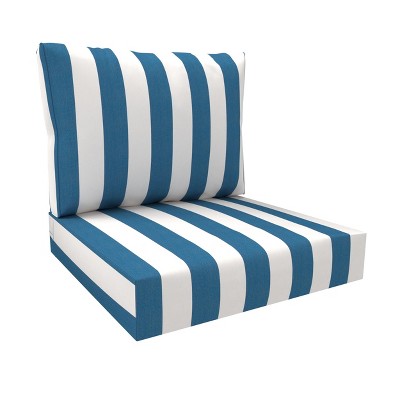
Set sizes range from single cushions up to 7‑piece sets. Common configurations pair seat and back cushions and may include side cushions or throw pillows, with options tailored for benches, loveseats, pallet sofas and modular pieces.
Examples from the results show bench and loveseat seat widths around 59.1 inches and 47.2 inches, depths ranging from about 19.7 inches up to roughly 31.5 inches, and typical thicknesses around 4 inches, with both thinner and thicker options available.