Target New ArrivalsGift Ideas for DadClothing, Shoes & AccessoriesHome & DecorKitchen & DiningOutdoor Living & GardenGroceryHousehold EssentialsBabyBeautyPersonal CareSports & OutdoorsHealthWellnessLuggageSchool & Office SuppliesToysElectronicsVideo GamesMovies, Music & BooksParty SuppliesGift IdeasGift CardsPetsUlta Beauty at TargetShop by CommunityTarget OpticalDealsClearanceNew ArrivalsGift Ideas for DadBack to SchoolCollegeTop DealsTarget Circle DealsWeekly AdShop Order PickupShop Same Day DeliveryRegistryRedCardTarget CircleFind Stores
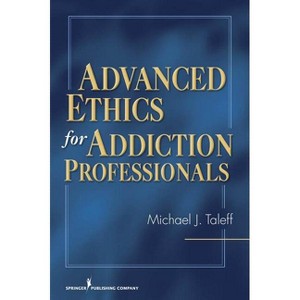
Advanced Ethics for Addiction Professionals - by  Michael J Taleff (Paperback) - 1 of 1

Advanced Ethics for Addiction Professionals - by Michael J Taleff (Paperback)

$77.00

In Stock

Free & easy returns

Free & easy returns

Return this item by mail or in store within 90 days for a full refund.
Eligible for registries and wish lists

About this item

Highlights

  • The aspects of the book related to the philosophy of science and cognitive science (inductive and deductive reasoning, biases, and heuristics) are distilled in reasonable and useful ways.
  • Author(s): Michael J Taleff
  • 222 Pages
  • Psychology, Psychopathology

Description


About the Book


"

"The aspects of the book related to the philosophy of science and cognitive science (inductive and deductive reasoning, biases, and heuristics) are distilled in reasonable and useful ways. I recommend this book to those addiction professionals who want to create their own framework for ethical decision making."

"--PsycCRITIQUES"

Ethical decision-making is required in many of the difficult situations faced by addiction professionals. In this guide, Michael Taleff describes how to integrate critical thinking with ethical decision-making. This is a guide not on what to do when confronted with difficult ethical dilemmas, but on how to think about what to do.

The author presents common ethical dilemmas that addiction professionals face in their daily work--such as boundary issues, confidentiality, dual relationships, and more--and asks readers to consider their own responses to these dilemmas. The book then shows readers how to apply new models of ethical thinking to practice.

Key features: Presents an ethical self-exam to encourage critical thinking about one's own decision-making method Introduces a variety of models such as the social contract theory, existentialist theory, and ethical egoism Discusses how biases, emotional reactions, and fallacies can weaken ethical decision-making Presents an introductory Ethics Judgment Kit, a simple, practical decision-making procedure for students

This book demonstrates how critical thinking skills can impact and improve the process of ethical decision-making. "


Book Synopsis


The aspects of the book related to the philosophy of science and cognitive science (inductive and deductive reasoning, biases, and heuristics) are distilled in reasonable and useful ways. I recommend this book to those addiction professionals who want to create their own framework for ethical decision making.

--PsycCRITIQUES

Ethical decision-making is required in many of the difficult situations faced by addiction professionals. In this guide, Michael Taleff describes how to integrate critical thinking with ethical decision-making. This is a guide not on "what to do" when confronted with difficult ethical dilemmas, but on how to think about what to do.

The author presents common ethical dilemmas that addiction professionals face in their daily work--such as boundary issues, confidentiality, dual relationships, and more--and asks readers to consider their own responses to these dilemmas. The book then shows readers how to apply new models of ethical thinking to practice.

Key features:

  • Presents an ethical self-exam to encourage critical thinking about one's own decision-making method
  • Introduces a variety of models such as the social contract theory, existentialist theory, and ethical egoism
  • Discusses how biases, emotional reactions, and fallacies can weaken ethical decision-making
  • Presents an introductory "Ethics Judgment Kit," a simple, practical decision-making procedure for students

This book demonstrates how critical thinking skills can impact and improve the process of ethical decision-making."


From the Back Cover


"

"""The aspects of the book related to the philosophy of science and cognitive science (inductive and deductive reasoning, biases, and heuristics) are distilled in reasonable and useful ways. I recommend this book to those addiction professionals who want to create their own framework for ethical decision making."""

"--PsycCRITIQUES"

Ethical decision-making is required in many of the difficult situations faced by addiction professionals. In this guide, Michael Taleff describes how to integrate critical thinking with ethical decision-making. This is a guide not on ""what to do"" when confronted with difficult ethical dilemmas, but on how to think about what to do.

The author presents common ethical dilemmas that addiction professionals face in their daily work--such as boundary issues, confidentiality, dual relationships, and more--and asks readers to consider their own responses to these dilemmas. The book then shows readers how to apply new models of ethical thinking to practice.

Key features: Presents an ethical self-exam to encourage critical thinking about one's own decision-making method Introduces a variety of models such as the social contract theory, existentialist theory, and ethical egoism Discusses how biases, emotional reactions, and fallacies can weaken ethical decision-making Presents an introductory ""Ethics Judgment Kit,"" a simple, practical decision-making procedure for students

This book demonstrates how critical thinking skills can impact and improve the process of ethical decision-making. "

Dimensions (Overall): 8.9 Inches (H) x 5.9 Inches (W) x .6 Inches (D)
Weight: .65 Pounds
Suggested Age: 22 Years and Up
Number of Pages: 222
Genre: Psychology
Sub-Genre: Psychopathology
Publisher: Springer Publishing Company
Theme: Addiction
Format: Paperback
Author: Michael J Taleff
Language: English
Street Date: November 13, 2009
TCIN: 1011331700
UPC: 9780826124586
Item Number (DPCI): 247-09-7175
Origin: Made in the USA or Imported
If the item details aren’t accurate or complete, we want to know about it.

Shipping details

Estimated ship dimensions: 0.6 inches length x 5.9 inches width x 8.9 inches height
Estimated ship weight: 0.65 pounds
We regret that this item cannot be shipped to PO Boxes.
This item cannot be shipped to the following locations: American Samoa (see also separate entry under AS), Guam (see also separate entry under GU), Northern Mariana Islands, Puerto Rico (see also separate entry under PR), United States Minor Outlying Islands, Virgin Islands, U.S., APO/FPO, Alaska, Hawaii

Return details

This item can be returned to any Target store or Target.com.
This item must be returned within 90 days of the date it was purchased in store, delivered to the guest, delivered by a Shipt shopper, or picked up by the guest.
See the return policy for complete information.

Q: How does the book help with decision-making?

submitted by AI Shopping Assistant - 11 days ago
  • A: It presents an ethical self-exam and an introductory Ethics Judgment Kit for practical decision-making.

    submitted byAI Shopping Assistant - 11 days ago
    Ai generated

Q: What skills does the book aim to improve?

submitted by AI Shopping Assistant - 11 days ago
  • A: The book aims to enhance critical thinking skills to improve ethical decision-making processes.

    submitted byAI Shopping Assistant - 11 days ago
    Ai generated

Q: What models of ethical thinking are introduced?

submitted by AI Shopping Assistant - 11 days ago
  • A: The book introduces models such as social contract theory, existentialist theory, and ethical egoism.

    submitted byAI Shopping Assistant - 11 days ago
    Ai generated

Q: What is the main focus of the book?

submitted by AI Shopping Assistant - 11 days ago
  • A: The book focuses on integrating critical thinking with ethical decision-making for addiction professionals.

    submitted byAI Shopping Assistant - 11 days ago
    Ai generated

Q: What ethical dilemmas are discussed in the book?

submitted by AI Shopping Assistant - 11 days ago
  • A: Common dilemmas include boundary issues, confidentiality, and dual relationships faced by addiction professionals.

    submitted byAI Shopping Assistant - 11 days ago
    Ai generated

Additional product information and recommendations

Discover more options

Get top deals, latest trends, and more.

Privacy policy