Sponsored
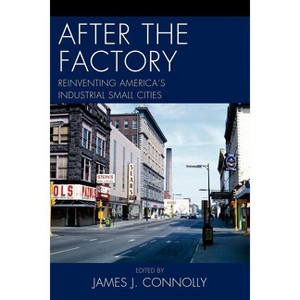
After the Factory - (Comparative Urban Studies) by James J Connolly (Paperback)
In Stock
Sponsored
About this item
Highlights
- After the Factory expores the challenges and opportunities facing the smaller industrial cities of America's heartland as they seek to reinvent themselves.
- About the Author: James J. Connolly is professor of history and director of the Center for Middletown Studies at Ball State University.
- 254 Pages
- Social Science, Sociology
- Series Name: Comparative Urban Studies
Description
About the Book
After the Factory expores the challenges and opportunities facing the smaller industrial cities of America's heartland as they seek to reinvent themselves. It offers a unique, multidisciplinary look at communities often ignored by conventional urban studies and urban history scholarship.Book Synopsis
After the Factory expores the challenges and opportunities facing the smaller industrial cities of America's heartland as they seek to reinvent themselves. It offers a unique, multidisciplinary look at communities often ignored by conventional urban studies and urban history scholarship.Review Quotes
This compendium of essays looking at the impact of the new US economy upon the country's small to medium industrial cities asks whether or not such urban centers can make a successful transition to the global economy of the 21st century. Contributors examine smaller 20th-century industrial towns like Gary, Indiana, and Steubenville, Ohio, and the relationships to their larger, better-known regional powerhouses like Chicago and Pittsburgh. The essays trace the origins of the industries in the smaller cities as well as the problems confronting these cities in an era of deindustrialization in the late-20th-century US. The authors do a good job enumerating the challenges posed by change and describe the intellectual, cultural, and economic resources, or lack thereof, possessed by each individual city in meeting those challenges. An underlying theme is the complexity of the problems facing the cities involved. The book proffers a new way of tackling those problems through a more regional approach that moves away from the earlier urban model of a "Darwinian" competition among cities. A useful contribution to urban historiography. Summing Up: Recommended. Upper-division undergraduates and above.
About the Author
James J. Connolly is professor of history and director of the Center for Middletown Studies at Ball State University.Shipping details
Return details
Trending Non-Fiction






Discover more options