Sponsored
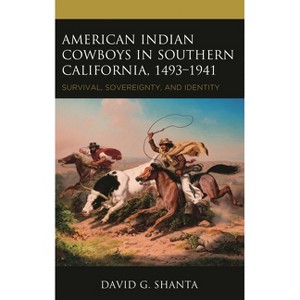
American Indian Cowboys in Southern California, 1493-1941 - by David G Shanta (Hardcover)
In Stock
Sponsored
About this item
Highlights
- In 1769-1770, Spanish Catholic missionaries, soldiers, and Cochimí Indians traveled to Alta California.
- About the Author: David G. Shanta is lecturer in the Department of History at California State University, San Bernardino.
- 194 Pages
- History, United States
Description
About the Book
This book examines how California Indigenous groups forged a new economy based on cattle, opening the door to the assertion and recognition of American Indian sovereignty over ancestral lands by the United States. Shanta reflects on how they survived, kept their cultures alive...Book Synopsis
In 1769-1770, Spanish Catholic missionaries, soldiers, and Cochimí Indians traveled to Alta California. They relied on domesticated animals, like horses and cattle, for food security in the continual expansion of the Spanish empire. These rapidly increasing herds consumed traditional sources of Indigenous foods, medicines, tools, and weapons and soon outstripped the ability of soldiers and priests to control them. This reality forced the Spanish missionaries to train trusted American Indian converts in the art of cowboying and cattle ranching. American Indian Cowboys in Southern California, 1493-1941: Survival, Sovereignty, and Identity by David G. Shanta provides new insights into the impact of horses and cattle on the Indigenous peoples of the Spanish Borderlands after early colonization. He examines how the American Indian cowboys formed the backbone of Spanish mission economies, the international trade in cowhides and tallow that created the Mexican ranchero class known as Californios, and later on American cattle operations. Shanta shows that California Native peoples adopted cowboying and cattle ranching, first as a survival strategy, but then also acquiring and running their own herds and forming a new, California American Indian economy based on cattle. Their new economy reinforced their demands for sovereignty over their ancestral lands with exclusive rights to essential elements, including the essential elements of pasturage and water. This book affirms the innovative nature of American Indian Cowboys and brings to light how they survived, kept their cultures alive, and gained recognition of their sovereign status.
Review Quotes
Not since Terry G. Jordan's North American Cattle-Ranching Frontiers has any one book captured the enduring influence of Native Americans in the livestock industry in the American West. Shanta's singular focus on Native American vaqueros and cattle ranchers is a welcome contribution to the scholarship on the stock-raising industry in California from the mid-18th century to the mid-20th century.
Throughout American history, cowboying and ranching are often most associated with romantic images of the American West, perhaps best depicted in Western movies and songs. However, in American Indian Cowboys in Southern California, David G. Shanta challenges these narrow perceptions by offering the first comprehensive account of California Indian cowboys, their success in Southern California's cattle and ranching industry, and how they navigated local, state, and federal government. It is a fascinating story highlighting Native agency by situating American Indians at the center of California's cowboy and ranching history.
About the Author
David G. Shanta is lecturer in the Department of History at California State University, San Bernardino.Shipping details
Return details
Frequently bought together






Trending Non-Fiction






Discover more options