New ArrivalsEasterClothing, Shoes & AccessoriesHomeKitchen & DiningOutdoor Living & GardenFurnitureGroceryHousehold EssentialsBabyBeautyPersonal CareHealthWellnessBackpacks & LuggageSports & OutdoorsToysElectronicsVideo GamesMovies, Music & BooksSchool & Office SuppliesParty SuppliesGift IdeasGift CardsPetsUlta Beauty at TargetShop by CommunityTarget OpticalDealsClearanceTarget New ArrivalsEasterWomen’s Western OutfitsTop DealsTarget Circle DealsWeekly AdShop Order PickupShop Same Day DeliveryRegistryRedCardTarget CircleFind Stores
Building Software for Simulation - by  James J Nutaro (Hardcover) - 1 of 1

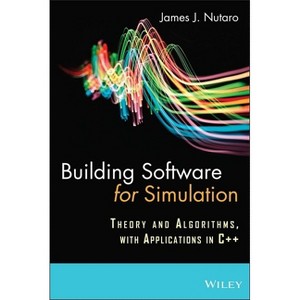
Building Software for Simulation - by James J Nutaro (Hardcover)

$148.95

In Stock

Free 90-day return by mail or in store

Free 90-day return by mail or in store

Return this item by mail or in store within 90 days for a full refund.
Eligible for registries and wish lists

About this item

Highlights

  • Building Software for Simulation A unique guide to the design and implementation of simulation software This book offers a concise introduction to the art of building simulation software, collecting the most important concepts and algorithms in one place.
  • About the Author: JAMES J. NUTARO, PHD, is an adjunct faculty member at the University of Tennessee in Knoxville and a member of the research staff at Oak Ridge National Laboratory.
  • 368 Pages
  • Computers + Internet, Computer Science

Description


Book Synopsis


Building Software for Simulation

A unique guide to the design and implementation of simulation software

This book offers a concise introduction to the art of building simulation software, collecting the most important concepts and algorithms in one place. Written for both individuals new to the field of modeling and simulation as well as experienced practitioners, this guide explains the design and implementation of simulation software used in the engineering of large systems while presenting the relevant mathematical elements, concept discussions, and code development.

The book approaches the topic from the perspective of Zeigler's theory of modeling and simulation, introducing the theory's fundamental concepts and showing how to apply them to engineering problems. Readers will learn five necessary skills for building simulations of complicated systems:

  • Working with fundamental abstractions for simulating dynamic systems
  • Developing basic simulation algorithms for continuous and discrete event models
  • Combining continuous and discrete event simulations into a coherent whole
  • Applying strategies for testing a simulation
  • Understanding the theoretical foundations of the modeling constructs and simulation algorithms

The central chapters of the book introduce, explain, and demonstrate the elements of the theory that are most important for building simulation tools. They are bracketed by applications to robotics, control and communications, and electric power systems; these comprehensive examples clearly illustrate how the concepts and algorithms are put to use. Readers will explore the design of object-oriented simulation programs, simulation using multi-core processors, and the integration of simulators into larger software systems.

The focus on software makes this book particularly useful for computer science and computer engineering courses in simulation that focus on building simulators. It is indispensable reading for undergraduate and graduate students studying modeling and simulation, as well as for practicing scientists and engineers involved in the development of simulation tools.


From the Back Cover


A unique guide to the design and implementation of simulation software

This book offers a concise introduction to the art of building simulation software, collecting the most important concepts and algorithms in one place. Written for both individuals new to the field of modeling and simulation as well as experienced practitioners, this guide explains the design and implementation of simulation software used in the engineering of large systems while presenting the relevant mathematical elements, concept discussions, and code development.

The book approaches the topic from the perspective of Zeigler's theory of modeling and simulation, introducing the theory's fundamental concepts and showing how to apply them to engineering problems. Readers will learn five necessary skills for building simulations of complicated systems:

  • Working with fundamental abstractions for simulating dynamic systems
  • Developing basic simulation algorithms for continuous and discrete event models
  • Combining continuous and discrete event simulations into a coherent whole
  • Applying strategies for testing a simulation
  • Understanding the theoretical foundations of the modeling constructs and simulation algorithms

The central chapters of the book introduce, explain, and demonstrate the elements of the theory that are most important for building simulation tools. They are bracketed by applications to robotics, control and communications, and electric power systems; these comprehensive examples clearly illustrate how the concepts and algorithms are put to use. Readers will explore the design of object-oriented simulation programs, simulation using multi-core processors, and the integration of simulators into larger software systems.

The focus on software makes this book particularly useful for computer science and computer engineering courses in simulation that focus on building simulators. It is indispensable reading for undergraduate and graduate students studying modeling and simulation, as well as for practicing scientists and engineers involved in the development of simulation tools.


Review Quotes


"It is indispensable reading for undergraduate and graduate students studying modeling and simulation, as well as for practicing scientists and engineers involved in the development of simulation tools." (Zentralblatt MATH, 2011)

"Written by leading experts in the field, this book (which is complementary to Fatigue of Materials and Structures: Application to Damage and Design, also edited by Claude Bathias and Andr Pineau), provides an authoritative, comprehensive and unified treatment of the mechanics and micromechanisms of fatigue in metals, polymers and composites." (PR-Inside.com, 15 March 2011)

"This book offers a concise introduction to the art of building simulation software, collecting the most important concepts and algorithms in one place." (Robotics Technology, 15 March 2011)


About the Author


JAMES J. NUTARO, PHD, is an adjunct faculty member at the University of Tennessee in Knoxville and a member of the research staff at Oak Ridge National Laboratory. He has developed simulation software used by industrial, academic, and research organizations including Raytheon, Northrop Grumman, Intel, and several universities. Nutaro has published articles on modeling and simulation in ACM and IEEE journals. He is Associate Editor for SIMULATION: Transactions of the Society for Computer Simulation International as well as for ACM Transactions on Modeling and Computer Simulation, and is a member of the IEEE.

Dimensions (Overall): 9.3 Inches (H) x 6.1 Inches (W) x 1.0 Inches (D)
Weight: 1.41 Pounds
Suggested Age: 22 Years and Up
Number of Pages: 368
Genre: Computers + Internet
Sub-Genre: Computer Science
Publisher: Wiley
Format: Hardcover
Author: James J Nutaro
Language: English
Street Date: December 21, 2010
TCIN: 1009805437
UPC: 9780470414699
Item Number (DPCI): 247-37-7791
Origin: Made in the USA or Imported
If the item details aren’t accurate or complete, we want to know about it.

Shipping details

Estimated ship dimensions: 1 inches length x 6.1 inches width x 9.3 inches height
Estimated ship weight: 1.41 pounds
We regret that this item cannot be shipped to PO Boxes.
This item cannot be shipped to the following locations: American Samoa (see also separate entry under AS), Guam (see also separate entry under GU), Northern Mariana Islands, Puerto Rico (see also separate entry under PR), United States Minor Outlying Islands, Virgin Islands, U.S., APO/FPO

Return details

This item can be returned to any Target store or Target.com.
This item must be returned within 90 days of the date it was purchased in store, delivered to the guest, delivered by a Shipt shopper, or picked up by the guest.
See the return policy for complete information.

Additional product information and recommendations

Get top deals, latest trends, and more.

Privacy policy

Footer

About Us

About TargetCareersNews & BlogTarget BrandsBullseye ShopSustainability & GovernancePress CenterAdvertise with UsInvestorsAffiliates & PartnersSuppliersTargetPlus

Help

Target HelpReturnsTrack OrdersRecallsContact UsFeedbackAccessibilitySecurity & FraudTeam Member ServicesLegal & Privacy

Stores

Find a StoreClinicPharmacyTarget OpticalMore In-Store Services

Services

Target Circle™Target Circle™ CardTarget Circle 360™Target AppRegistrySame Day DeliveryOrder PickupDrive UpFree 2-Day ShippingShipping & DeliveryMore Services
PinterestFacebookInstagramXYoutubeTiktokTermsCA Supply ChainPrivacy PolicyCA Privacy RightsYour Privacy ChoicesInterest Based AdsHealth Privacy Policy