Sponsored
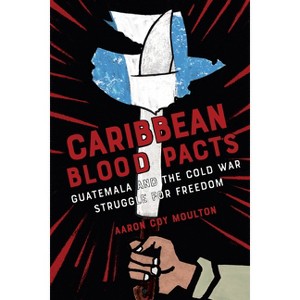
Caribbean Blood Pacts - (United States in the World) by Aaron Coy Moulton (Paperback)
Pre-order
Sponsored
About this item
Highlights
- In Caribbean Blood Pacts, Aaron Coy Moulton argues that the CIA's Operations PBFORTUNE and PBSUCCESS derived from the longstanding efforts of dictators, reactionaries, the United Fruit Company, and British intelligence to silence calls for antifascism and anticolonialism springing from the Guatemalan Revolution.
- About the Author: Aaron Coy Moulton is Associate Professor of Latin American History at Stephen F. Austin State University.
- 312 Pages
- History, United States
- Series Name: United States in the World
Description
About the Book
"This book reveals how Guatemalan reactionaries, Caribbean Basin dictators, the United Fruit Company, and the British government opposed the antifascist, reformist ideals of the 1944-1954 Guatemalan Revolution. Their policies set the foundation for the US government's 1952-1954 covert operations that destroyed Guatemalan democracy"--Book Synopsis
In Caribbean Blood Pacts, Aaron Coy Moulton argues that the CIA's Operations PBFORTUNE and PBSUCCESS derived from the longstanding efforts of dictators, reactionaries, the United Fruit Company, and British intelligence to silence calls for antifascism and anticolonialism springing from the Guatemalan Revolution. In 1952, a coalition of dictators and reactionaries in the Caribbean Basin convinced the Truman administration to support a conspiracy that became the CIA's Operation PBFORTUNE, the first US government-backed plot against Guatemala's government. As Moulton demonstrates, this operation failed because US officials did not understand the network of forces involved.
In 1953, the Eisenhower administration approved Operation PBSUCCESS. This time, the CIA better understood Caribbean dynamics. The resulting destruction of Guatemalan democracy was the product of the US government applying its resources and the efforts of myriad reactionary forces.
Caribbean Blood Pacts shows how the transnational counterrevolution against the Guatemalan Revolution became a lesson for those who spent the next decades fighting the region's dictatorships in the shadow of the Cold War, from the Cuban Revolution to the Sandinista movement in Nicaragua.
About the Author
Aaron Coy Moulton is Associate Professor of Latin American History at Stephen F. Austin State University. His research has been published in various outlets including the Journal of Latin American Studies, The Americas, and Cold War History.
Shipping details
Return details
Trending Non-Fiction






Discover more options