
Sponsored
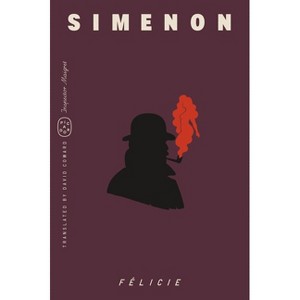
Félicie (Inspector Maigret) - by Georges Simenon (Paperback)
$16.00Save $1.00 (6% off)
Pre-order
Eligible for registries and wish lists
Sponsored
About this item
Highlights
- "Simenon was fascinated by peculiarities of human personality, which he described in elegant, simple prose . . . as pure as running water.
- About the Author: Georges Simenon (1903-1989) was born in Liège, Belgium.
- 176 Pages
- Fiction + Literature Genres, Mystery & Detective
- Series Name: Inspector Maigret
Description
Book Synopsis
"Simenon was fascinated by peculiarities of human personality, which he described in elegant, simple prose . . . as pure as running water." --Roger Ebert
It's the height of spring, and Maigret is grappling with doubly unfamiliar circumstances. He's in the surreal new village of Jeanneville, outside Paris, where an elderly bachelor has been shot dead in his home. Тhe prime witness, his twenty-four-year-old housekeeper, Félicie, may well be among Maigret's most unnerving adversaries. Infuriatingly clever, singularly self-possessed, and overtly antagonistic, she is surely hiding something--but what? As their battle of wits pinballs the investigation between toy land-like Jeanneville and Paris's seedy Place Pigalle, Maigret wonders what preoccupies him more: catching the perpetrator of a brutal murder, or solving the psychological puzzle box of Félicie? A diamond-sharp gem of crime fiction, Félicie is Georges Simenon at his mischievous best.About the Author
Georges Simenon (1903-1989) was born in Liège, Belgium. An intrepid traveler with a profound interest in people, Simenon strove on and off the page to understand--and not to judge--the human condition in all its shades. His books include the Inspector Maigret series and a richly varied body of wider work united by its evocative power, its economy of means, and its penetrating psychological insight. He is among the most widely read writers in the global canon.
David Coward is professor emeritus of French at the University of Leeds and a translator of many books from the French, including Albert Cohen's Belle du Seigneur, for which he was awarded a Scott Moncrieff Prize.Dimensions (Overall): 7.5 Inches (H) x 5.0 Inches (W) x 1.0 Inches (D)
Weight: 1.0 Pounds
Suggested Age: 22 Years and Up
Number of Pages: 176
Genre: Fiction + Literature Genres
Sub-Genre: Mystery & Detective
Series Title: Inspector Maigret
Publisher: Picador USA
Format: Paperback
Author: Georges Simenon
Language: English
Street Date: March 10, 2026
TCIN: 1003285594
UPC: 9781250420138
Item Number (DPCI): 247-43-7439
Origin: Made in the USA or Imported
If the item details aren’t accurate or complete, we want to know about it.
Shipping details
Estimated ship dimensions: 1 inches length x 5 inches width x 7.5 inches height
Estimated ship weight: 1 pounds
We regret that this item cannot be shipped to PO Boxes.
This item cannot be shipped to the following locations: American Samoa (see also separate entry under AS), Guam (see also separate entry under GU), Northern Mariana Islands, Puerto Rico (see also separate entry under PR), United States Minor Outlying Islands, Virgin Islands, U.S., APO/FPO
Return details
This item can be returned to any Target store or Target.com.
This item must be returned within 90 days of the date it was purchased in store, shipped, delivered by a Shipt shopper, or made ready for pickup.
See the return policy for complete information.
Frequently bought together





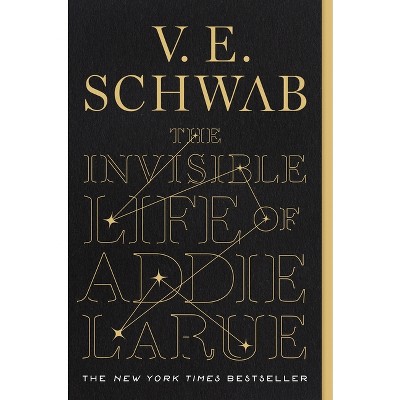
Trending Literary Fiction






$9.85 - $23.09
MSRP $15.99 - $32.99
4.8 out of 5 stars with 148 ratings
Discover more options
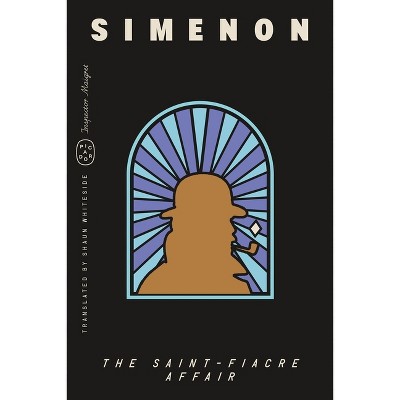
$16.00
MSRP $17.00



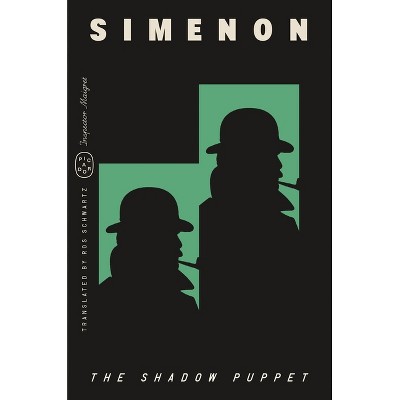
$16.00
MSRP $17.00