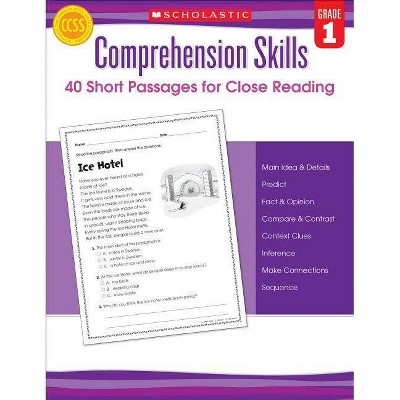
Page counts vary by title, but the examples here range from about 128 to 256 pages. Common totals include 128, 168, 208, 216, 240, and 256 pages.
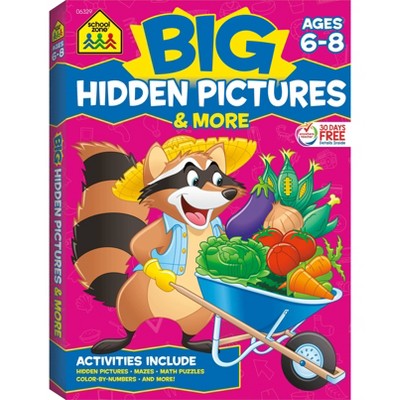
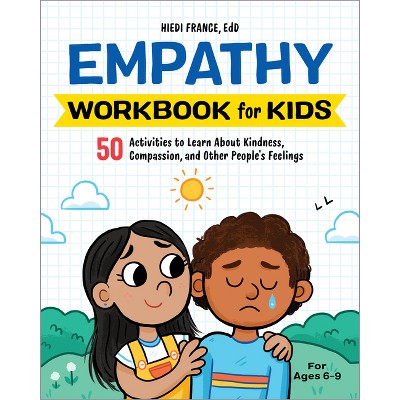
These workbooks are aimed at elementary-age children and are often labeled for ages roughly 6 to 10 years, with common tags such as 7–8 years or 7–9 years.
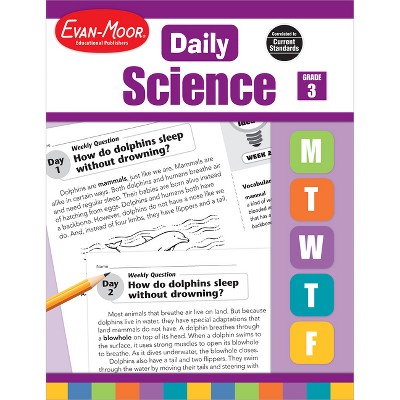
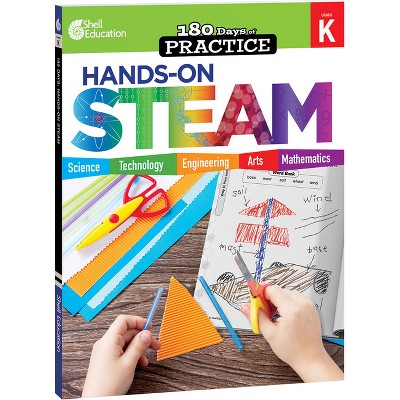
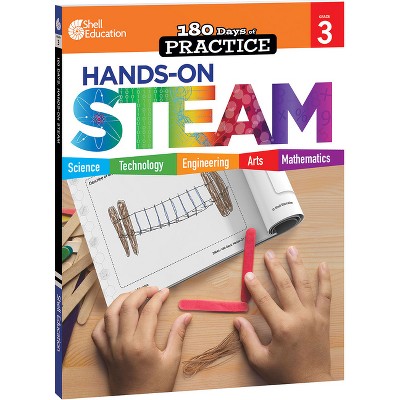
Daily-practice workbooks usually provide one focused activity page per school day, organized to increase in complexity over time. They often include answer keys and simple progress-tracking tools.
2nd-grade math workbooks typically cover adding and subtracting up to 100, place value, reading and writing numbers, multi-step word problems, measuring lengths and plotting graphs, telling time, counting money, introductory algebraic thinking, basic geometry, and measurement/data skills.
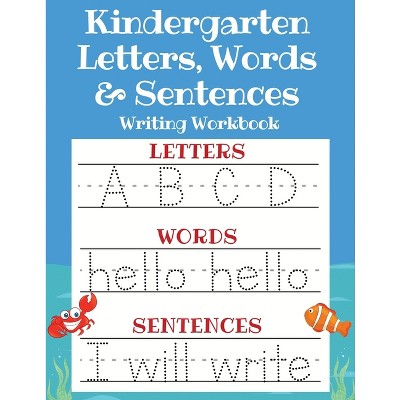
Phonics workbooks emphasize fundamentals such as letter recognition, sound identification, basic word formation, letter patterns and digraphs, and interactive activities like word sorting and manipulation.
Many workbooks include answer keys plus assessment and tracking tools such as pretests, midtests, posttests/final tests, scoring records, diagnostic checklists, and rubrics to monitor student progress.
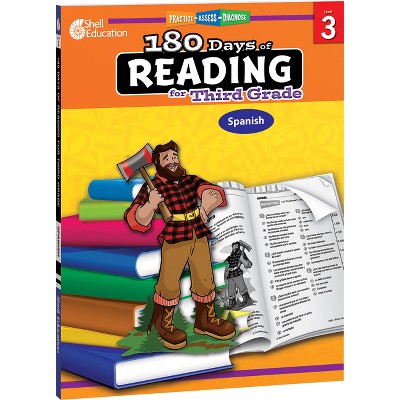
Yes. Spanish-language options are available, including Spanish writing workbooks that guide students through the writing process and provide rubrics and answer keys.
All-in-one homeschool workbooks combine multiple subjects (typically reading, writing, and math) into separate sections with organized activities and supporting materials, while single-subject workbooks focus deeply on one area—providing daily practice and specialized exercises for that subject.