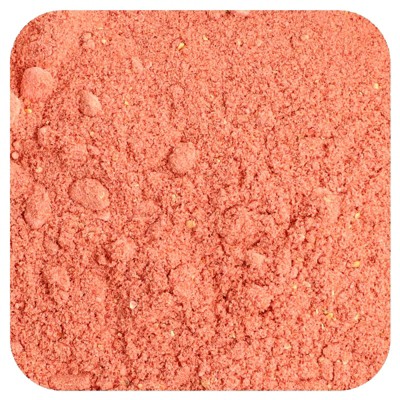
Aloe vera powder is sold primarily in two forms: dehydrated/finely powdered whole-leaf aloe (marketed for food, cosmetic, or topical use) and concentrated "extract" powders formulated for supplements. Listings commonly distinguish between edible/cosmetic-grade powdered aloe and extract powders intended for supplement use.
Available package sizes shown in listings range from small retail bags (about 7 oz / 200 g) up to bulk containers (1 kilogram / 2.2 lbs).
At least one extract powder description notes manufacture in a facility that follows cGMP (current Good Manufacturing Practices), presented as part of the product’s quality commitment. Other listings may not specify standards.
Product descriptions commonly list dehydrated Aloe barbadensis (aloe vera) as the ingredient. Extract powders also cite nutrient components such as vitamins, minerals, enzymes, amino acids and polysaccharides in their ingredient or nutrient-profile fields.
Product descriptions most commonly advertise suitability for sensitive, normal and combination skin. Some listings also mention suitability for dry or oily skin.