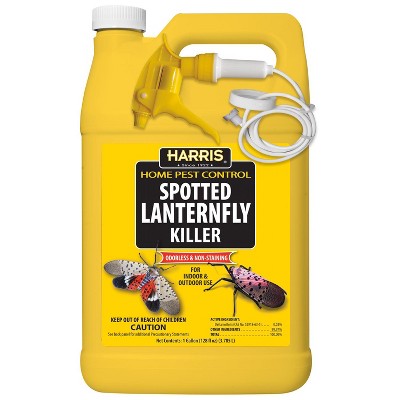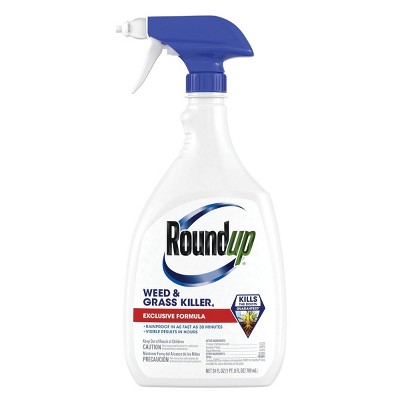
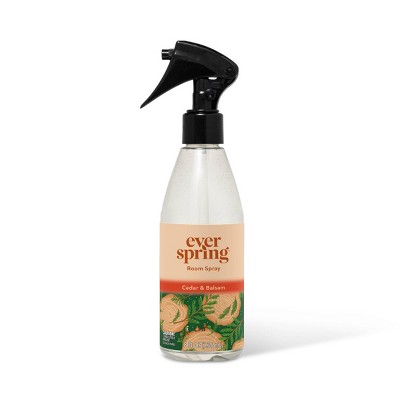
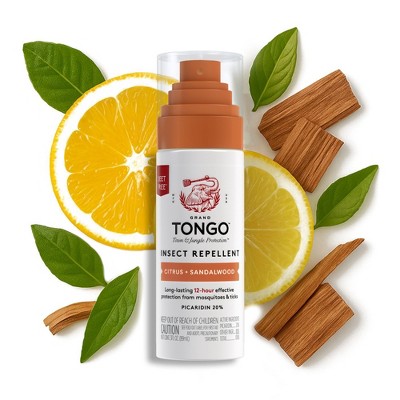
Common active ingredients include horticultural/mineral oils, botanical oils (e.g., cedarwood), surfactants, beneficial microbial agents, and neem oil. Examples in product listings include mineral oil (~80%), cedarwood oil combined with sodium lauryl sulfate, Burkholderia (about 94.46% in one listing), and neem oil at roughly 0.9–1%.
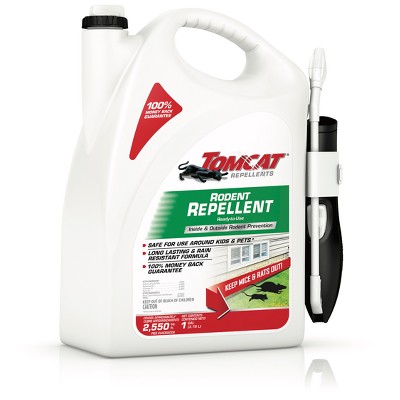
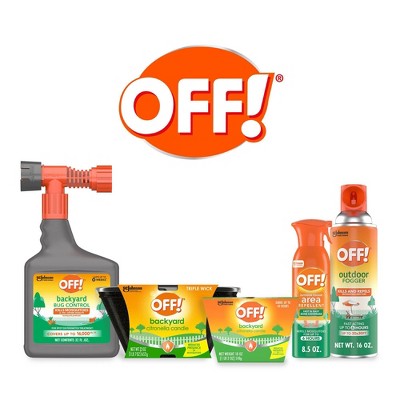
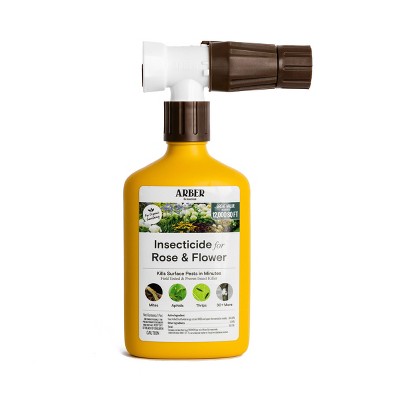
Formulations include concentrates (to mix with water), ready-to-use trigger bottles, hose-end concentrates, pump sprays, and wand/power-sprayer options. Application types noted are: concentrate (mix and apply), pump spray, hose-end spray (from a concentrate), and wand spray.
Products are labeled for a wide range of plants, including ornamentals, roses and flowers, vegetables, herbs, houseplants, fruit trees and other fruiting plants, nut and vine crops, trees, and shrubs.
Most sprays act physically—suffocating aphids on contact and killing eggs, larvae, and adults. Some formulations rely on beneficial microbes or biological agents that support plant defenses rather than using conventional toxic chemicals.
Sizes range from small ready-to-use bottles (about 12–16 fl oz) up to larger ready-to-use and concentrate containers (32 fl oz, 128 fl oz, and 1 gallon). Formats include trigger bottles, hose-end concentrates, pump sprays, and larger application containers or jugs.
Label directions typically recommend reapplying every 7–14 days (common intervals: every 7–10 days or roughly every two weeks), with the exact schedule depending on the specific product and pest pressure.
Some products come ready-to-spray in trigger bottles or include hose-end sprayers; larger ready-to-use options may include a power-sprayer wand. Concentrates generally require attachment to a pump, trigger, or hose-end applicator for application.