Target New ArrivalsChristmasGift IdeasHoliday Kids CatalogHome & DecorToys & GamesElectronics & TechVideo GamesGift CardsClothing, Shoes & AccessoriesGroceryBabyBeautyTarget Beauty StudioPersonal CareHousehold EssentialsHealthWellnessBooks, Music & MoviesSports & OutdoorsPetsSchool & Office SuppliesParty SuppliesAutomotiveTarget OpticalClearanceNew ArrivalsChristmasGift IdeasTop DealsTarget Circle DealsWeekly AdShop Order PickupShop Same Day DeliveryRegistryRedCardTarget CircleFind Stores

basement rubber floor tiles

426 results for “basement rubber floor tiles”
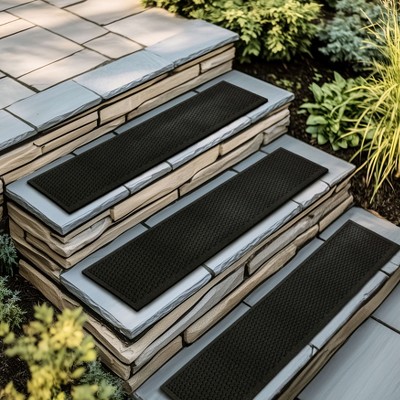
Honeycomb Recycled Rubber Coal Stair Tread

$18.99 - $62.99
reg $50.00 - $110.00
Sale

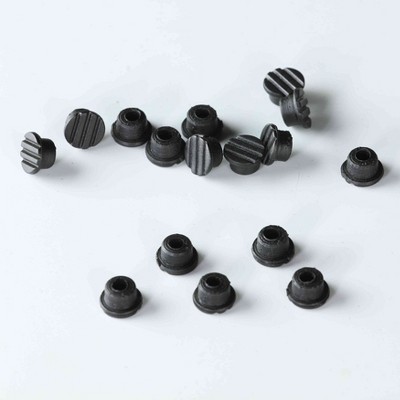
Bare Decor Rubber Pegs For Teak Tile

$14.99
reg $20.00
Sale

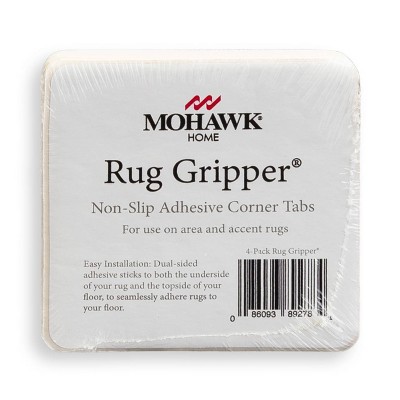
Mohawk 4pk Adhesive Non Slip Gripper Corner Tabs Rug Pads Ivory

$11.99

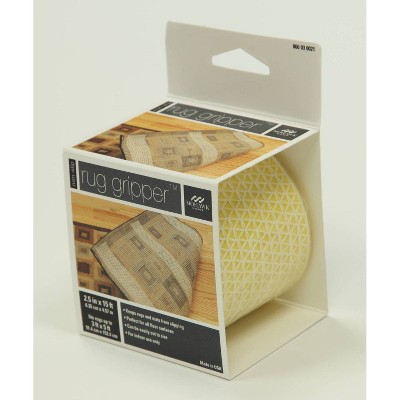
Rug Tape/Grip Neutral - Mohawk Home

$7.69

Sponsored

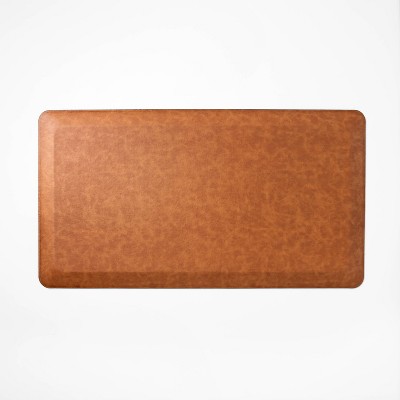
20" x 36" Elite Thick Comfort Mat - Figmint™

$27.20 - $32.00
Select items on clearance

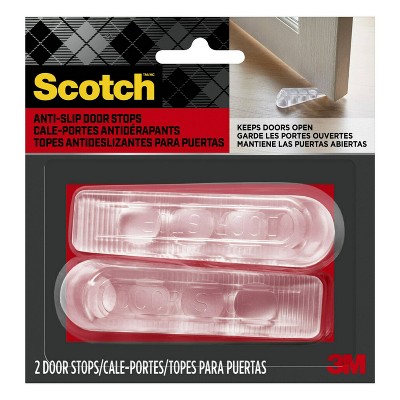
Scotch 2ct Clear Door stops

Comfort Grip Rug Pad Ivory - Mohawk Home

$4.99 - $34.99

Sponsored

Powered by AI

Guests also ask:

Basement rubber floor tiles are typically made from rubber or EVA foam (ethylene-vinyl acetate). Some product listings specify a rubber surface or 100% rubber construction, while others use EVA foam for a lighter, cushioned tile.

Thicknesses range from fractional inches up to about 3/4". Examples in listings include 3/8" (about 0.375"), 0.56", and 0.75" tiles, so you can choose thinner tiles for light cushioning or thicker ones for greater shock absorption.

Many basement rubber tiles use an interlocking puzzle-style design with detachable edge pieces, so they fit together without adhesive. This allows simple DIY installation, easy removal, and the ability to expand coverage by adding tiles.

Cleaning instructions vary by product, but common guidance includes spot-cleaning or wiping with a damp cloth, rinsing with water or a hose, and using mild soap if needed. Several listings also describe tiles as waterproof or non-absorbent, making routine cleaning simple.

Listings highlight several features that suit basement use: shock absorption and cushioning, textured non-slip surfaces, sound/noise reduction, waterproof or non-absorbent construction, wear- and scratch-resistant surfaces, and heavy-duty construction that helps protect subfloors from equipment and impact.

Rubber floor tiles are commonly used in basements, home gyms, playrooms, and garages; some listings also note outdoor uses like patios or decks. They're marketed for activities such as yoga, weightlifting, general workouts, and as cushioned play or utility flooring.

Backing materials shown in listings include PEVA (polyethylene vinyl acetate), partial or full rubber backing, and foam backing. The specific backing depends on the tile model and intended use.

Sponsored

Get top deals, latest trends, and more.