basement rubber floor tiles
483 results for “basement rubber floor tiles”
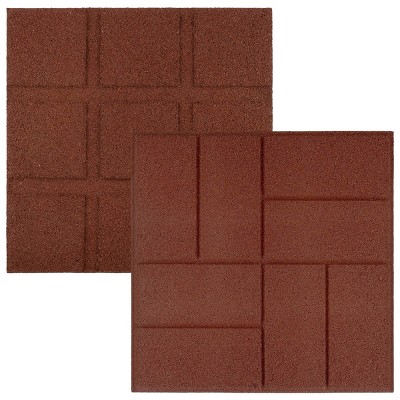
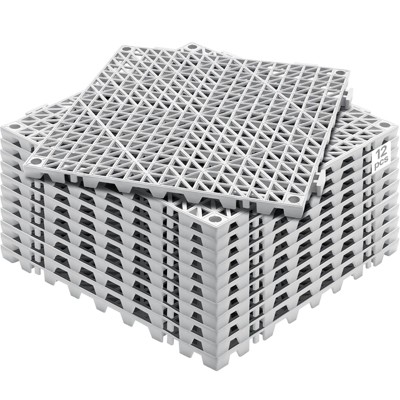
$39.99
reg $79.99
Sale
Loved for: aesthetic appeal
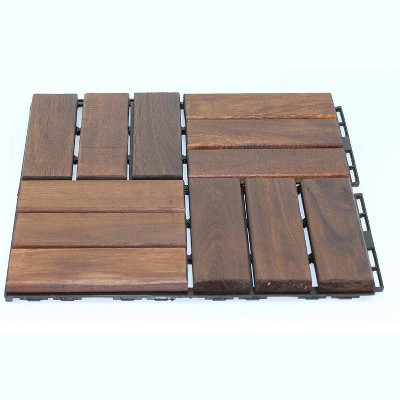
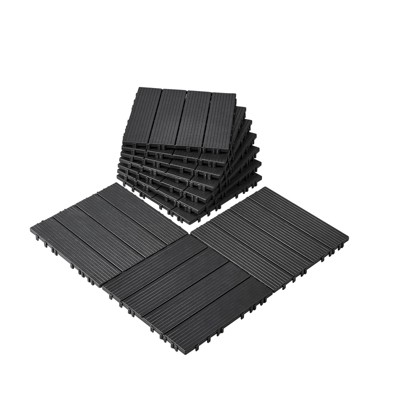
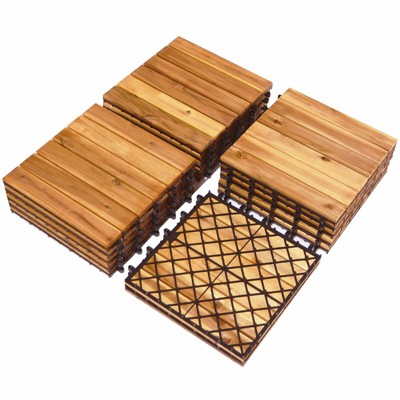
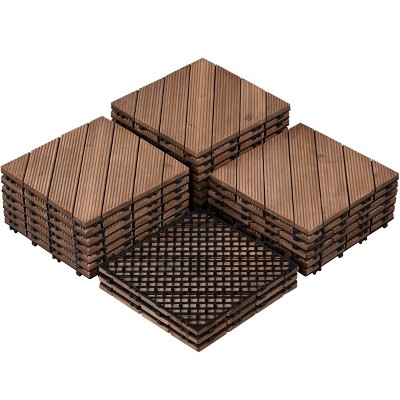
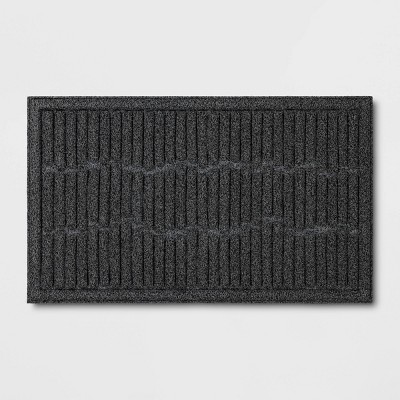


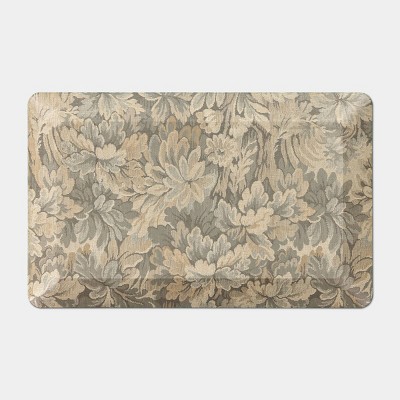
Recommendations for you
- $47.95 - $65.95reg $63.83 - $87.79 Sale
- $59.30 - $157.38reg $85.99 - $225.99 Sale
- $89.54 - $124.48reg $179.00 - $248.00 Sale
- $39.99 - $41.99reg $60.99 - $63.99 Sale5 out of 5 stars with 1 ratings
- $43.99 - $124.99Select items on sale4.9 out of 5 stars with 10 ratings
- $67.99 - $69.99reg $102.99 - $106.99 Sale4 out of 5 stars with 4 ratings
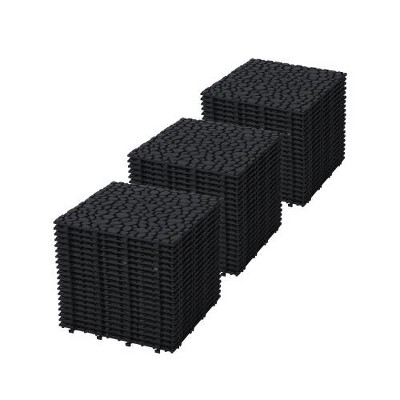
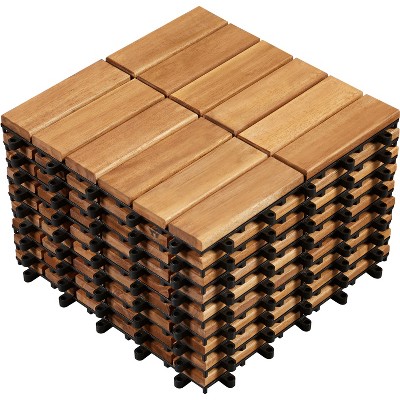
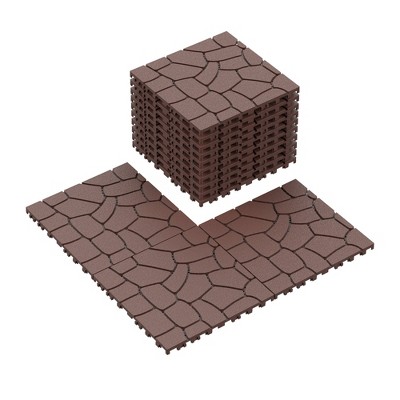
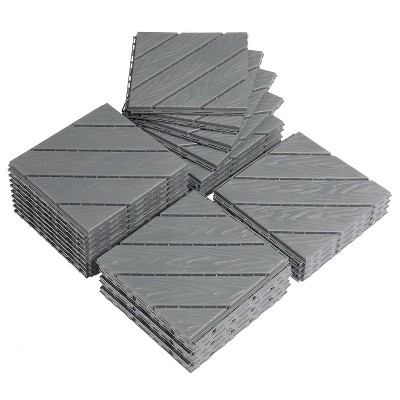
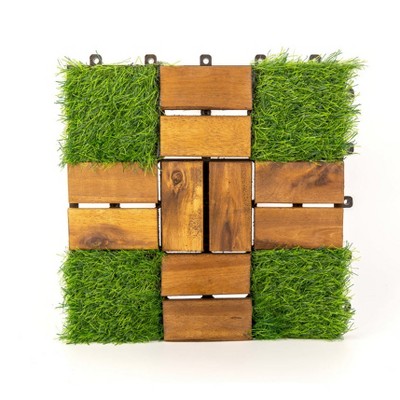
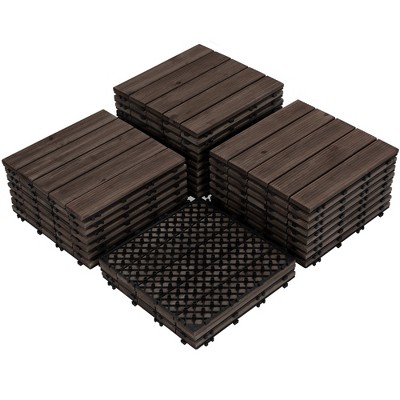
Sponsored


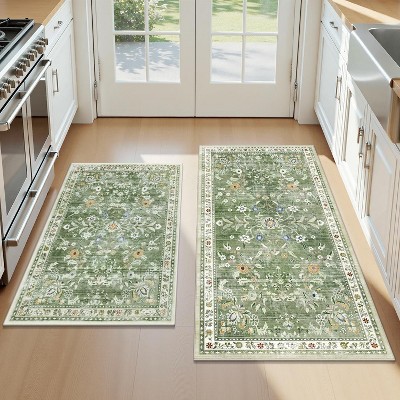


$95.99
reg $137.13
Sale


$32.99 - $42.99
reg $43.99 - $57.39
Sale
Related deals
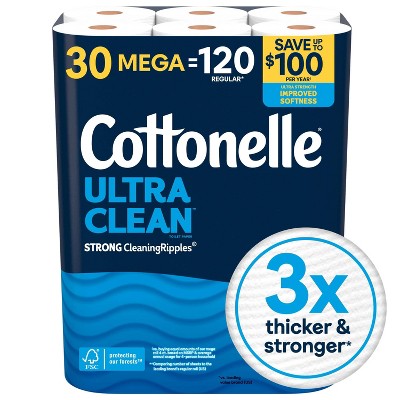
- Highly rated$6.29 - $19.99$15 Target GiftCard with $50 household items purchase4.6 out of 5 stars with 9287 ratings
- Highly rated$4.99 - $29.99Select items on sale$15 Target GiftCard with $50 household items purchase4.7 out of 5 stars with 30433 ratings
- Highly rated$5.99 - $20.99$15 Target GiftCard with $50 household items purchase4.5 out of 5 stars with 23124 ratings
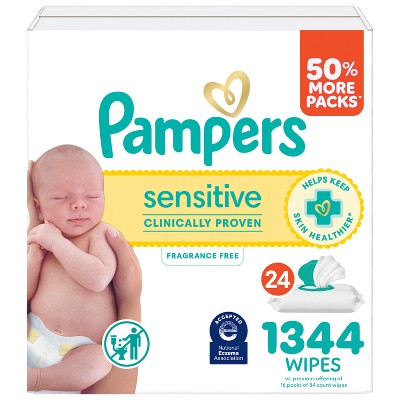
- Highly rated$8.99 - $49.99$20 Target GiftCard with $80 diapers & wipes purchase4.1 out of 5 stars with 15313 ratings
- Highly rated$9.99 - $59.99$20 Target GiftCard with $80 diapers & wipes purchase4.8 out of 5 stars with 75650 ratings
- Highly rated$3.29 - $6.19Lower price on select itemsBuy 2 for $9 breakfast cereal on select items4.7 out of 5 stars with 16413 ratings
- Highly rated$1.49 - $4.29$15 Target GiftCard with $50 household items purchase4.4 out of 5 stars with 6441 ratings
- Highly rated$5.99 - $21.99$15 Target GiftCard with $50 household items purchase4.6 out of 5 stars with 14704 ratings
- Highly rated$1.69 - $13.79Lower price on select items$15 Target GiftCard with $50 household items purchase4.7 out of 5 stars with 9754 ratings
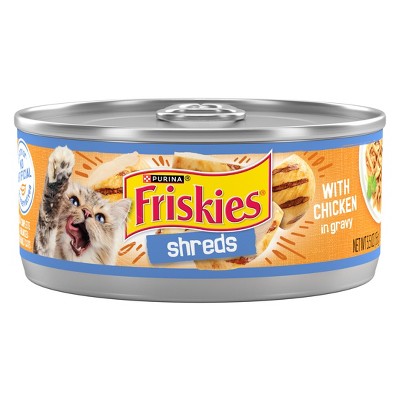
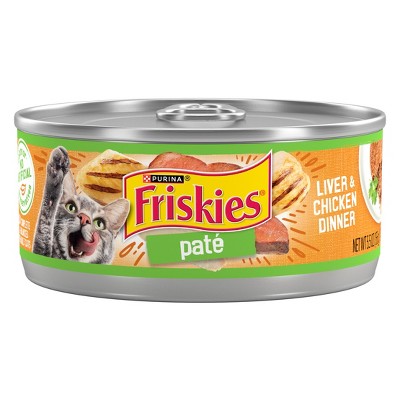
- $0.89Buy 14 for $12 Purina Friskies wet cat food4.7 out of 5 stars with 7689 ratings
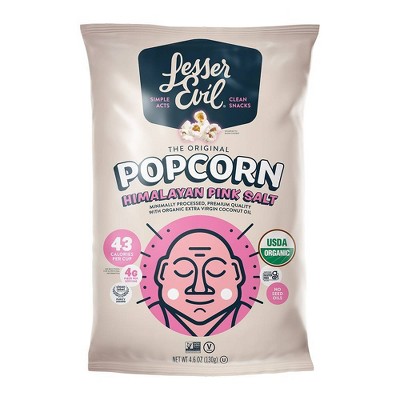
- Highly rated$3.49 - $5.79Buy 1 get 1 25% off LesserEvil organic popcorn on select items4.6 out of 5 stars with 8558 ratings
- Highly rated$3.44 - $9.49Select items on clearance$15 Target GiftCard with $50 household items purchase4.6 out of 5 stars with 12406 ratings
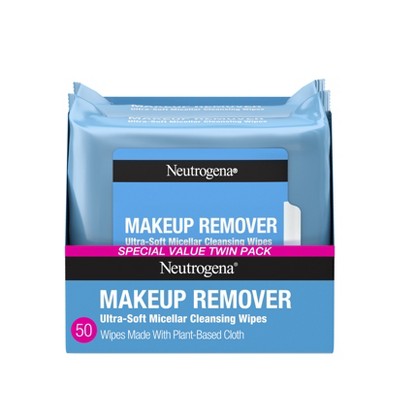
- Highly rated$14.99$5 Target GiftCard with 4 select personal care items4.5 out of 5 stars with 4671 ratings
- $6.19 - $37.99$20 Target GiftCard with $80 diapers & wipes purchase4.2 out of 5 stars with 17561 ratings
- Highly ratedSee price in cart$15 Target GiftCard with $50 household items purchase4.4 out of 5 stars with 36224 ratings
- Highly rated$7.99 - $32.99$15 Target GiftCard with $50 household items purchase4.7 out of 5 stars with 16660 ratings
- Highly rated$6.99 - $26.99$15 Target GiftCard with $50 household items purchase4.6 out of 5 stars with 12289 ratings
- Highly rated$2.89 - $6.19$15 Target GiftCard with $50 household items purchase4.7 out of 5 stars with 13236 ratings
- Highly rated$1.59 - $9.19$15 Target GiftCard with $50 household items purchase4.7 out of 5 stars with 11314 ratings
Sponsored
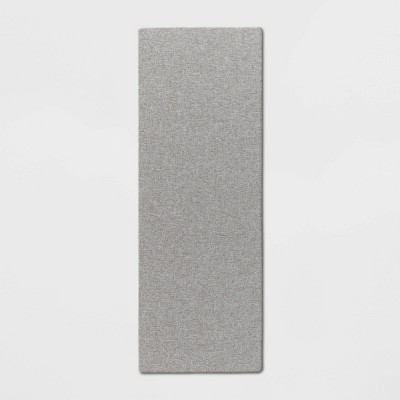
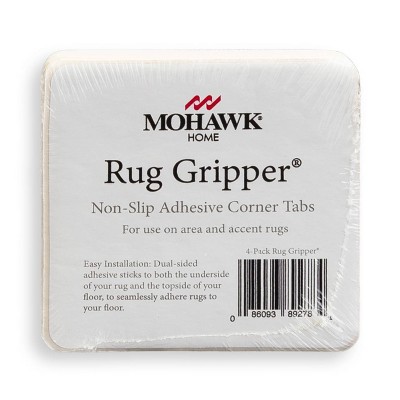
$11.99
Loved for: effective on wood floors
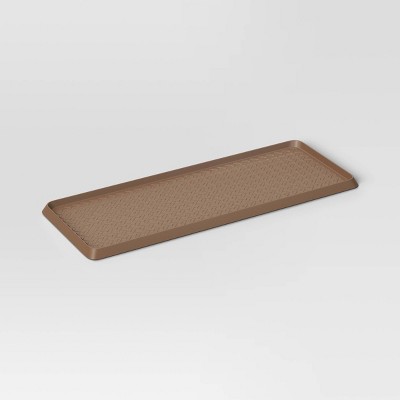
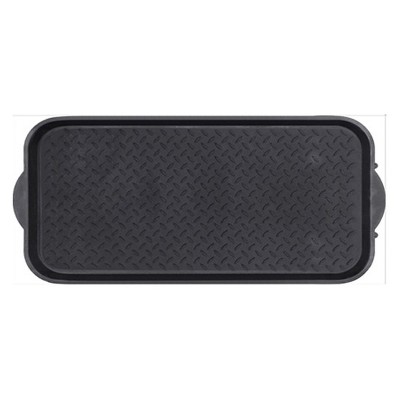
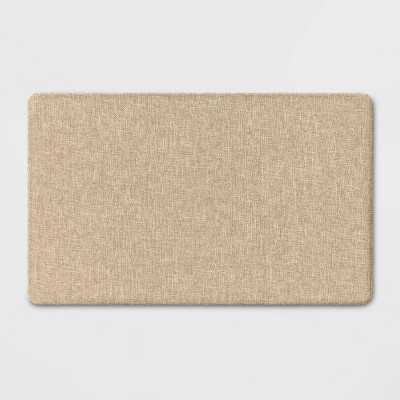
Sponsored