beach hut
1,000+ results for “beach hut”
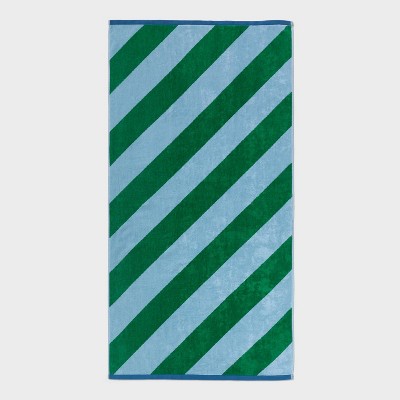


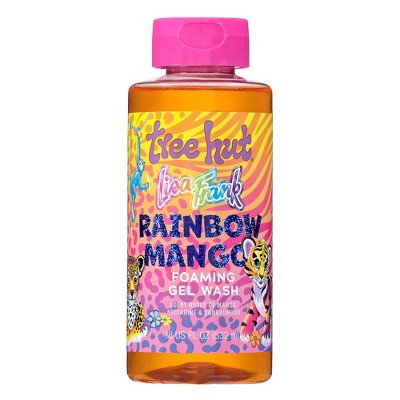
See price in cart
Loved for: nostalgic packaging
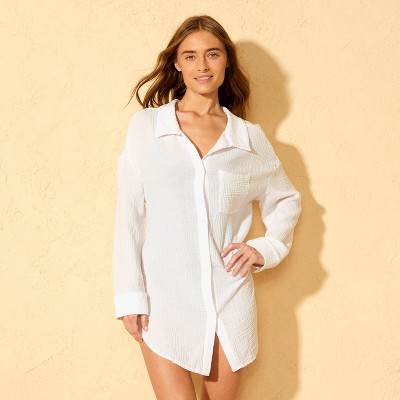


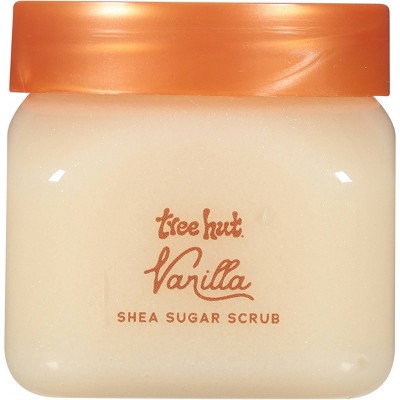
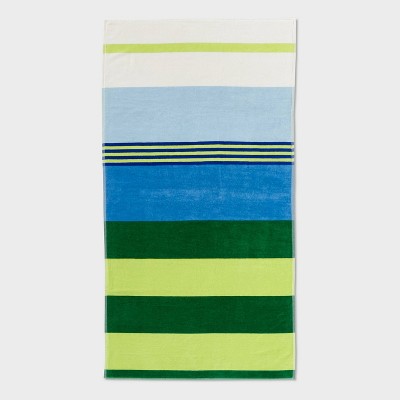
$15.00


Loved for: soft material
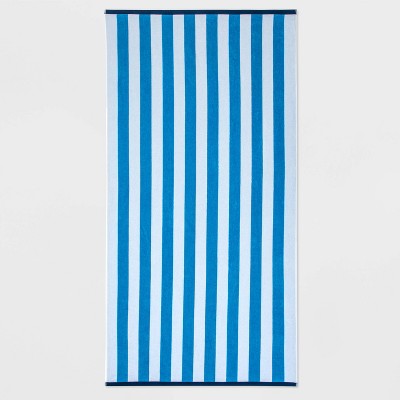


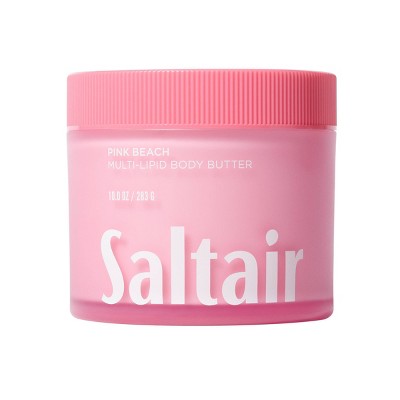
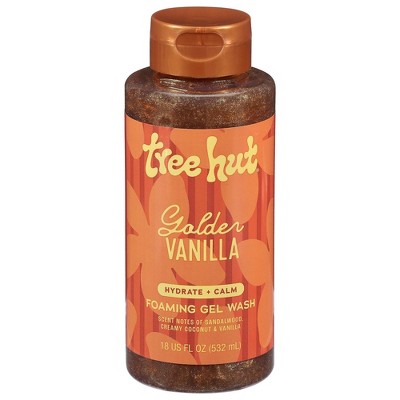
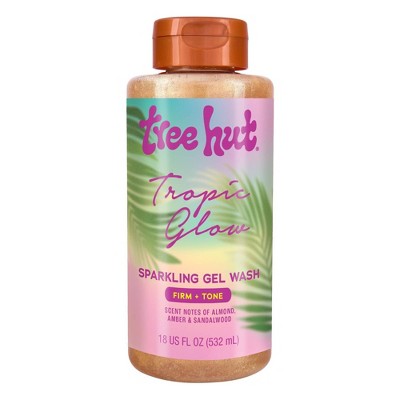
$9.99($0.56/fluid ounce)
Loved for: rich lather
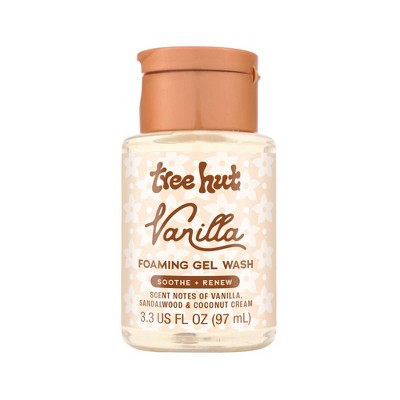
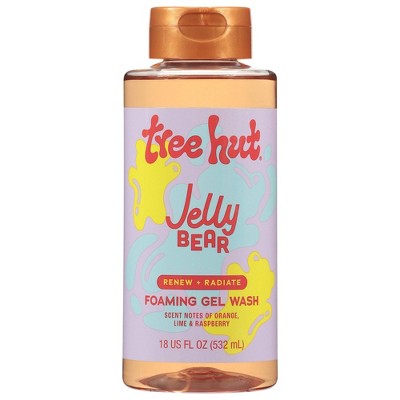
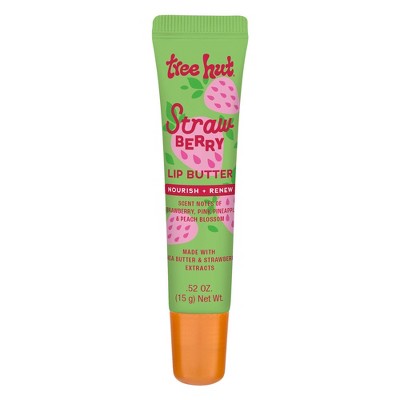
Sponsored
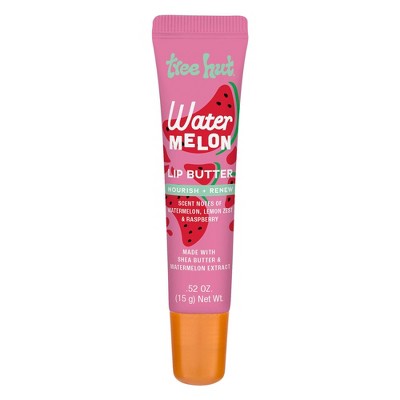
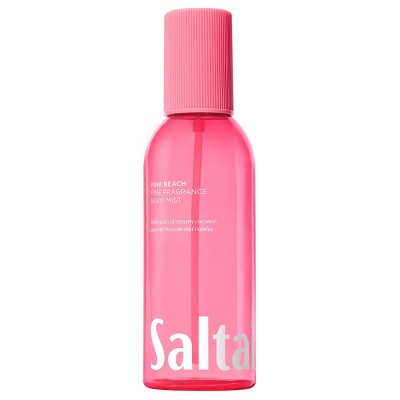
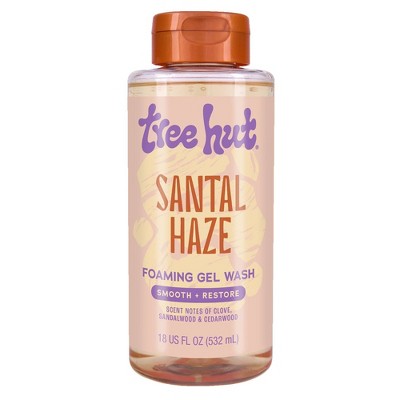
$8.99($0.50/fluid ounce)
Loved for: great scent
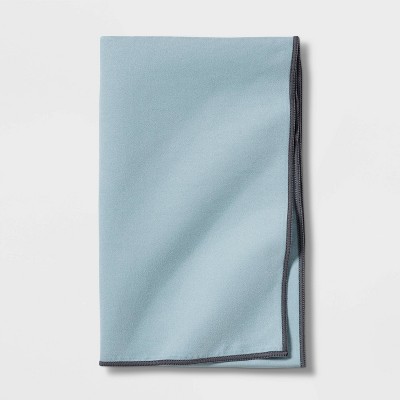
$20.00
Loved for: soft texture
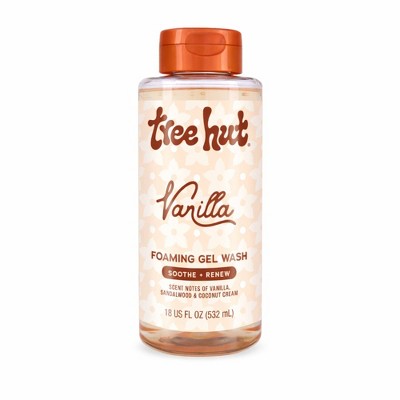
$8.99($0.50/fluid ounce)
Loved for: great lather
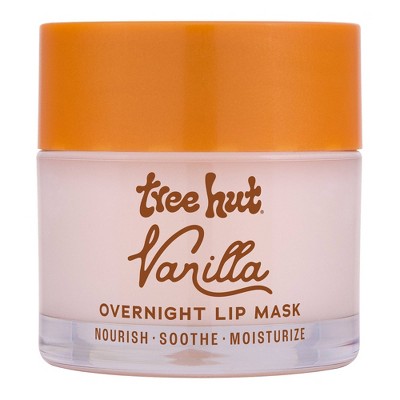
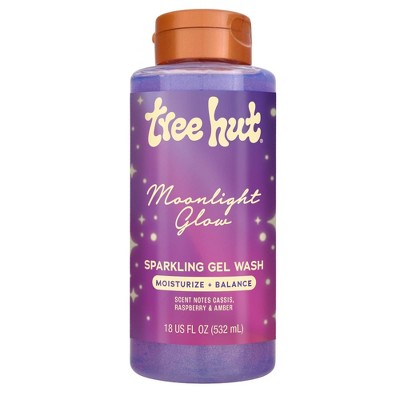
$9.99($0.56/fluid ounce)
Loved for: amazing scent
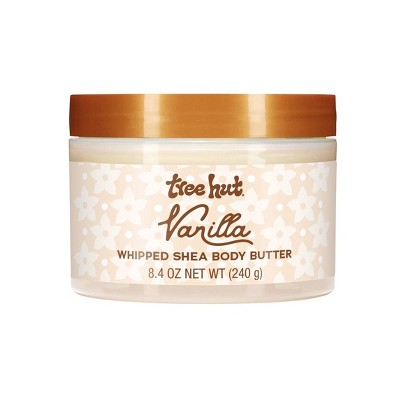
$8.99($1.07/ounce)
Loved for: moisturizing
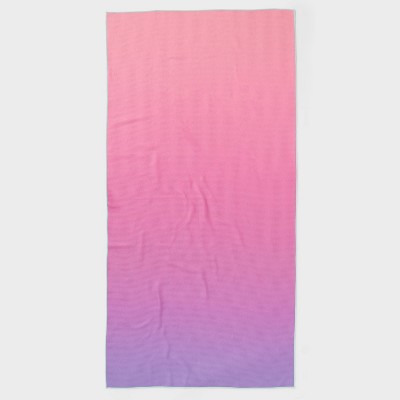
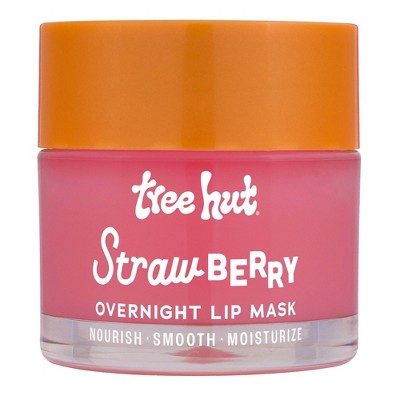
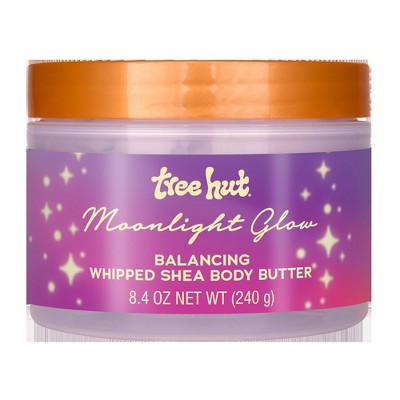
$9.99($1.19/ounce)
Loved for: great scent
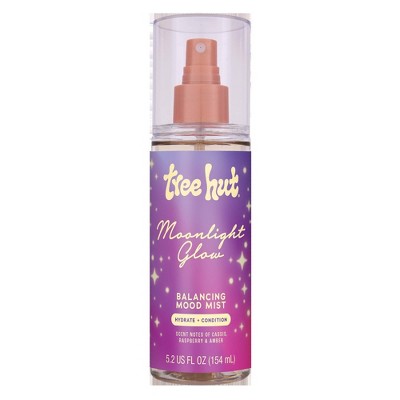
Sponsored
Powered by AI
Guests also ask:
Trending now
- $8.99($0.60/ounce)Coupon: $2 off4.7 out of 5 stars with 258 ratings
- Highly rated$5.29($1.56/ounce)Buy 3, get 1 free on select beauty minis4.7 out of 5 stars with 275 ratings
- $9.99Buy 1 get 1 25% off Native personal & hair care items4.3 out of 5 stars with 11 ratings
- $8.99($0.60/ounce)Coupon: $2 off4.6 out of 5 stars with 82 ratings
- $8.99($0.60/ounce)Coupon: $2 off4.5 out of 5 stars with 79 ratings