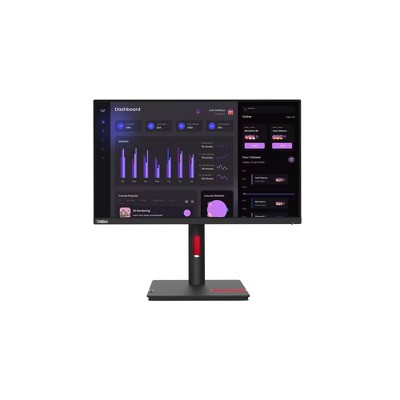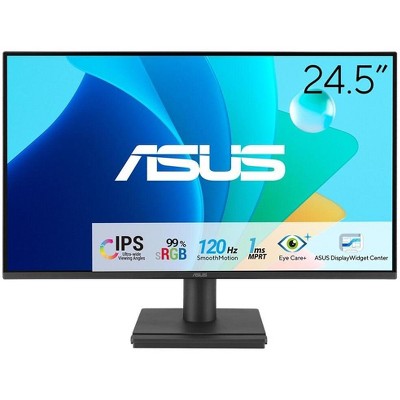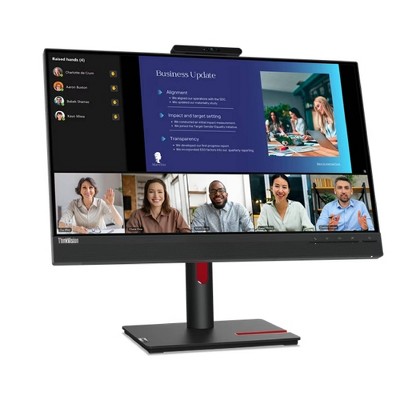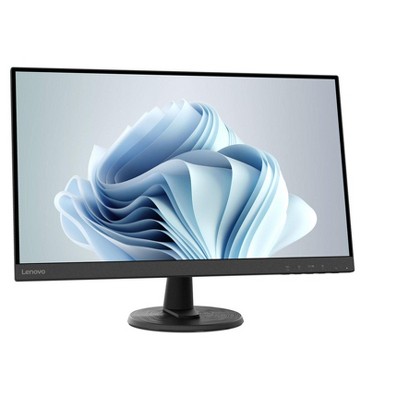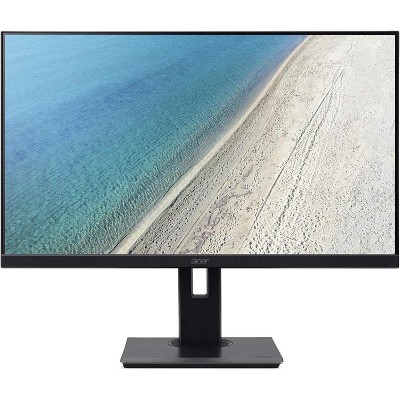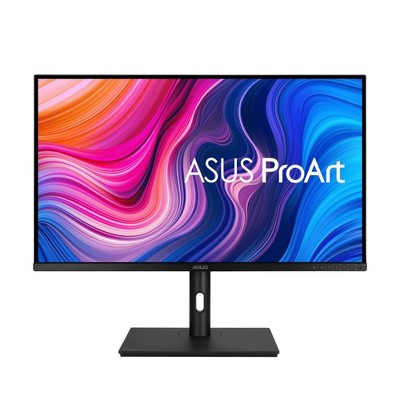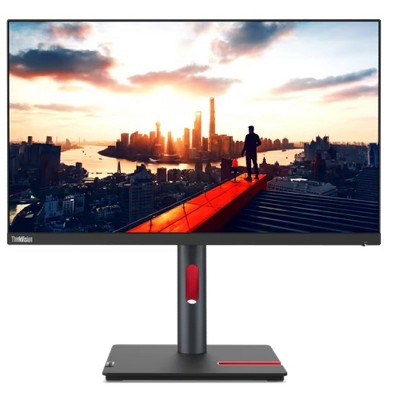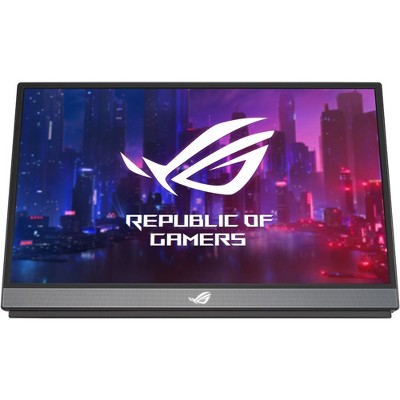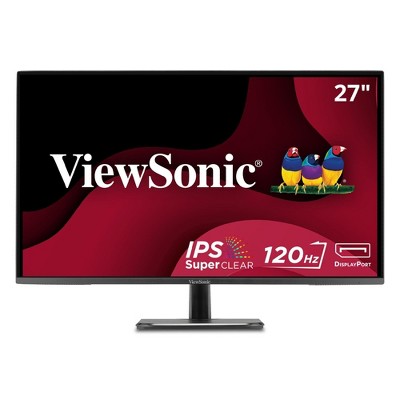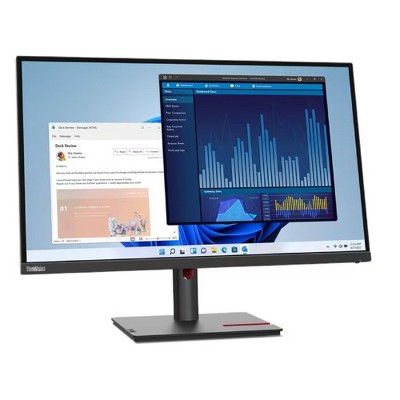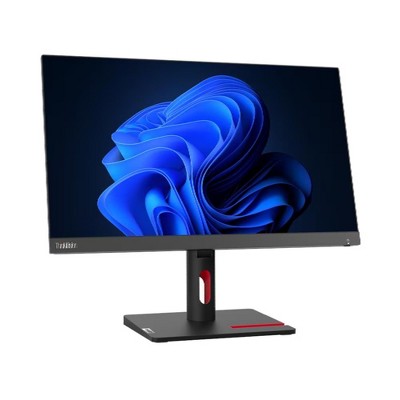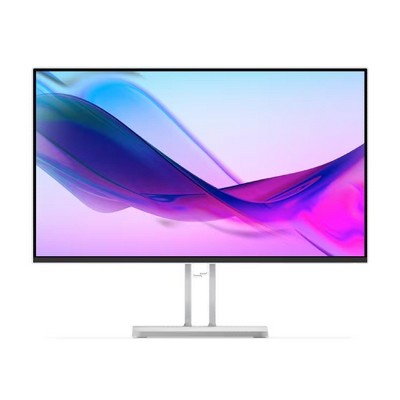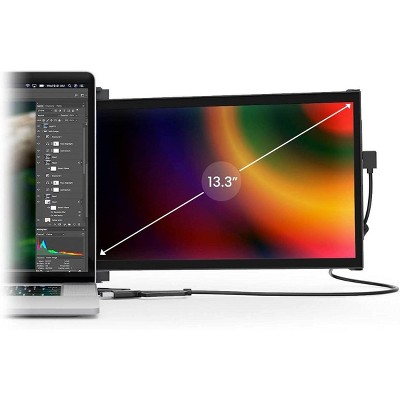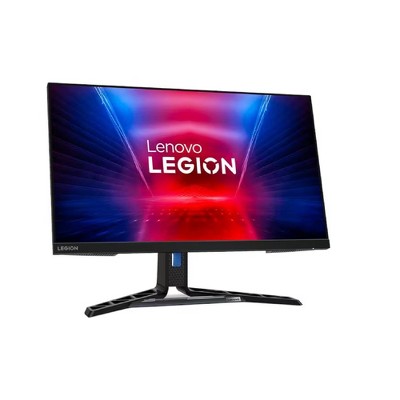
Sizes range from compact 13.3-inch portable screens up to large 43-inch displays, with common options at 13.3, 27, 34 and 43 inches. Aspect ratios represented include 16:9 (standard widescreen), 21:9 (ultrawide), and a less common 17:9 option.
Resolutions span Full HD (1920 × 1080) up to higher-resolution options such as QHD (2560 × 1440) and ultrawide WQHD (3440 × 1440). So you’ll find 1080p models as well as 2K/WQHD displays for more screen real estate and sharper detail.
The selection mainly uses IPS and VA panel technologies. Several models specify IPS for wide viewing angles and accurate color, while some larger or ultrawide options use VA panels for higher contrast.
Many models include tilt and height adjustments plus swivel or rotation. Several list VESA compatibility (common patterns shown are 75×75 and 100×100) for wall or arm mounting, enabling more flexible desk setups.
Refresh rates in the set run from standard 60 Hz up to 240 Hz, and response times range from very fast 1 ms figures to slower values (around 12 ms) on some portable options. This covers both fast displays and standard productivity screens.
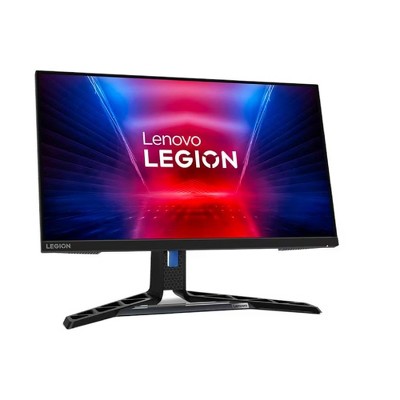
Productivity features include split‑screen, PIP/PBP modes for viewing multiple inputs, USB‑C docking for single‑cable laptop connections, and attachable/extendable portable screens to expand laptop desktop space.
Audio options vary: some displays include a 3.5 mm audio output for external speakers or headphones, while at least one ultrawide model explicitly notes it has no built‑in speakers.
There are ultra‑slim 13.3‑inch portable touchscreen monitors that magnetically attach to laptops to extend display area. These models are described as lightweight, autorotating, support touchscreen/pen input, and connect via USB‑C.