Common ingredients fall into three groups: whole grains, vegetables, and pulse-based flours/proteins. Examples named in listings include rice, cauliflower, quinoa, amaranth; millets and wheat (wheat, ragi, pearl, foxtail, barnyard, little, kodo); and pulse ingredients like lentil flour, pea protein, and chickpea flour.
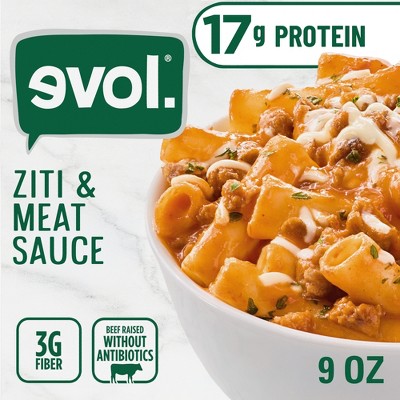
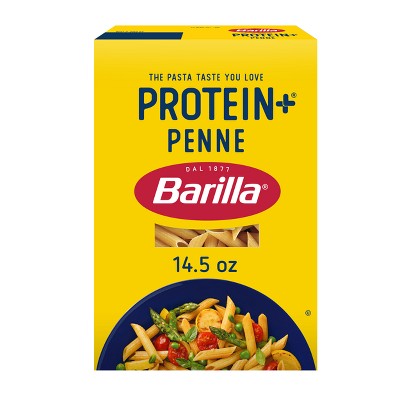
Some multigrain options emphasize plant-based protein. For example, one listing specifies 17 g of protein per 3.5 oz serving.
Fiber commonly comes from whole grains and pulses. Listings cite whole millets and grains (wheat, ragi, pearl, foxtail, barnyard, little, kodo), ancient grains like quinoa and amaranth, and pulse flours such as lentil and chickpea. Some product descriptions explicitly label the pasta as “high in fiber” or “a good source of fiber.”
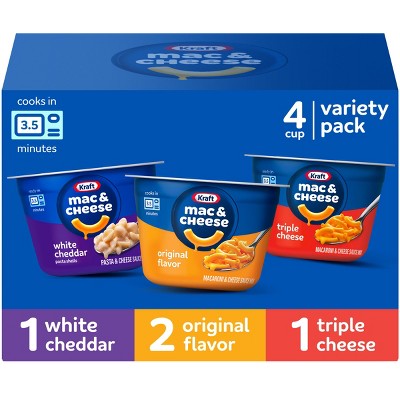
Preparation ranges from dried pastas that must be boiled to ready-to-eat, microwavable options. Cooking directions vary by product and shape—some dried shapes list boiling times of about 7–8 minutes, while other items are labeled ready to eat and microwavable.
Some product descriptions and reviews highlight family-friendly appeal. For example, certain listings note a soft-yet-firm texture that’s suitable for kids and adults, and reviews often mention that particular pastas are recommended for families and picky eaters.
Several listings call out fiber explicitly—some label the pasta “High in Fiber” or a “good source of fiber.” Reviews also frequently note higher fiber (and higher protein) as a highlighted product attribute.