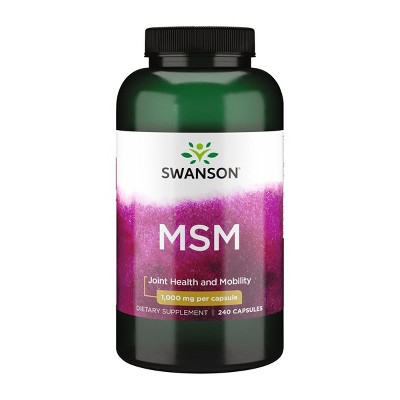
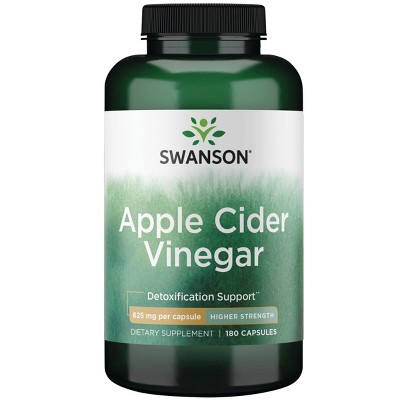
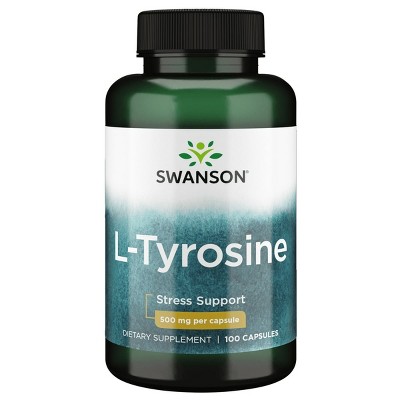
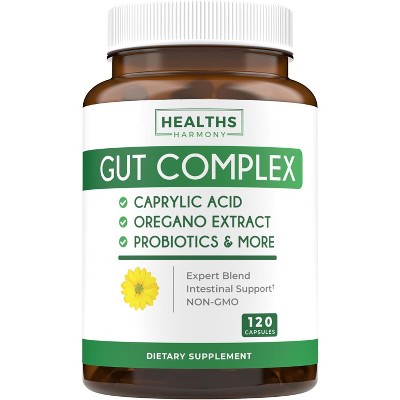
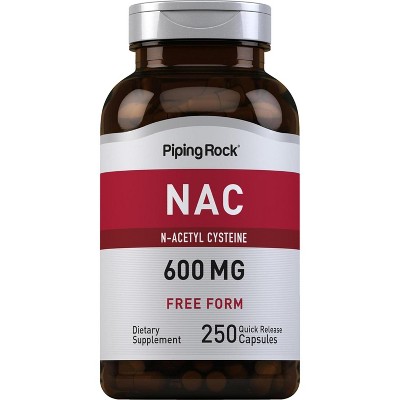
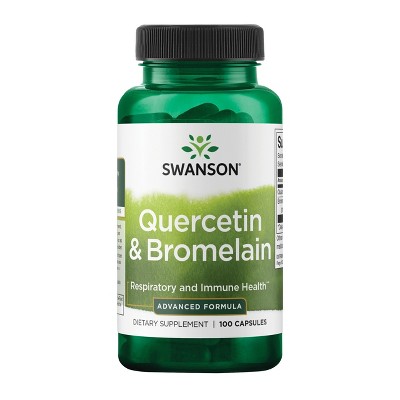
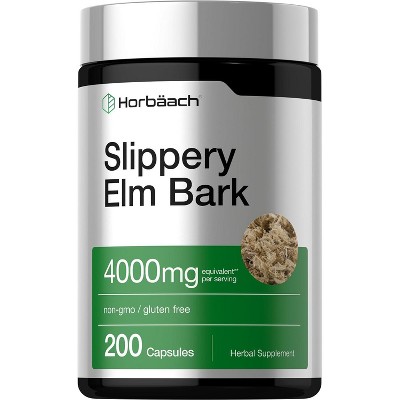
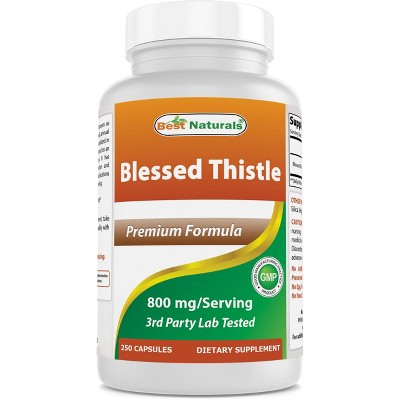
Serving guidance varies by product. Common recommendations include taking one capsule per day or at the start of a meal; some listings advise two capsules per day, and one listing recommends three per day. Label instructions differ by product, so follow the specific product directions.
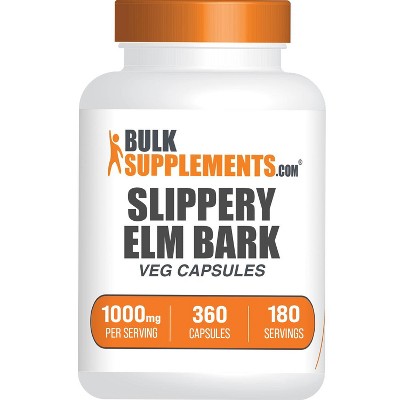
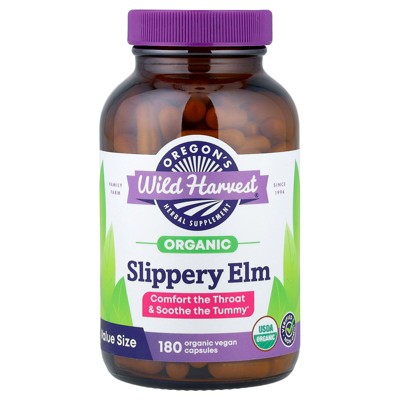
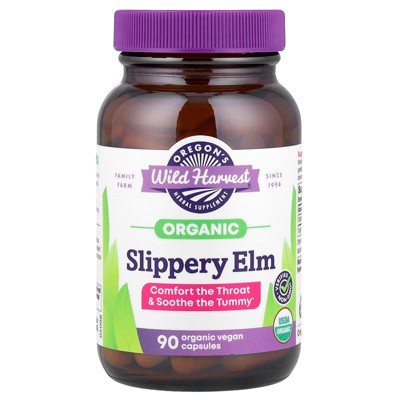
Package sizes in these listings range from single-bottle or small counts up to larger bottles. Examples shown include 60, 90, 180 and 360 capsules, and one listing shows a package quantity of 1.
Most product details direct use for adults and advise consulting a doctor if pregnant, nursing, taking prescription medications, or having a medical condition. One listing specifically notes the product is not for children under six.
Common companion ingredients include deglycyrrhizinated licorice (DGL), marshmallow, and aloe. Many formulas also include digestive enzymes, artichoke, turmeric, gamma oryzanol, zinc L‑carnosine, mineral buffers (e.g., calcium carbonate, magnesium bisglycinate), sodium alginate or D‑limonene, and formula-level prebiotics/probiotics (one listing references Akkermansia).
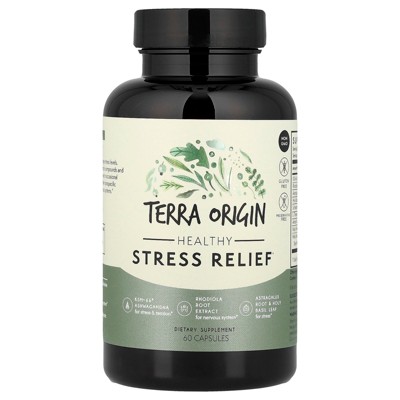
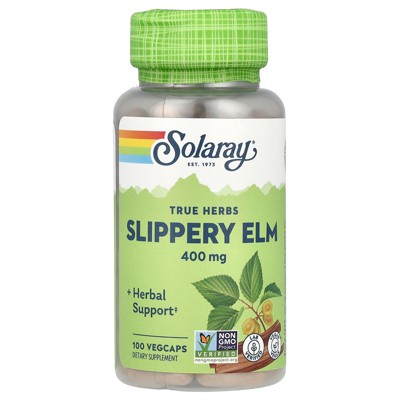
All items are sold as capsules. Product details describe vegetarian or vegan/vegetable capsules and sometimes note features such as “easy-to-swallow.” No other dosage forms are listed in these results.
Descriptions typically say slippery elm soothes the digestive tract and supports the stomach’s mucosal lining, aiding digestion and occasional digestive discomfort. In multi-ingredient formulas it’s described as contributing to gut-barrier or gut-balance support.
Listing language includes slippery elm bark powder (Ulmus fulva), red elm extract (Ulmus rubra) expressed as a 10:1 extract, and references simply to slippery elm bark extract in product titles.