Target New ArrivalsBack to SchoolCollegeClothing, Shoes & AccessoriesHome & DecorKitchen & DiningOutdoor Living & GardenGroceryHousehold EssentialsBabyBeautyPersonal CareSports & OutdoorsHealthWellnessSchool & Office SuppliesToys & GamesElectronics & TechVideo GamesMovies, Music & BooksParty SuppliesGift IdeasGift CardsPetsUlta Beauty at TargetShop by CommunityTarget OpticalDealsClearanceNew ArrivalsBack to SchoolCollegeTop DealsTarget Circle DealsWeekly AdShop Order PickupShop Same Day DeliveryRegistryRedCardTarget CircleFind Stores
Powered by AI

Guests also ask:

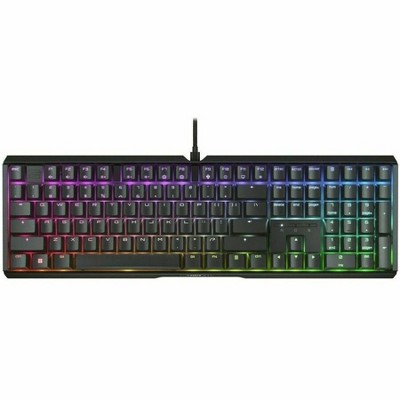
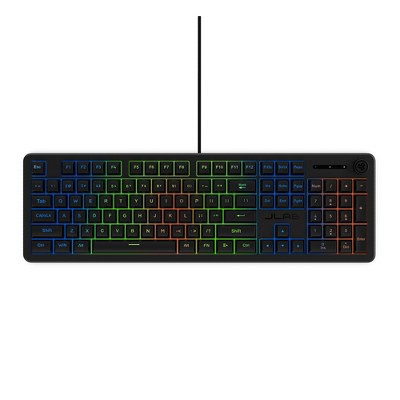
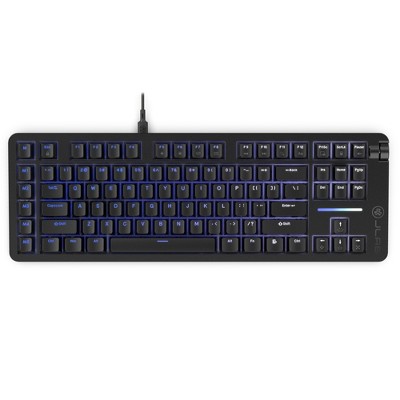
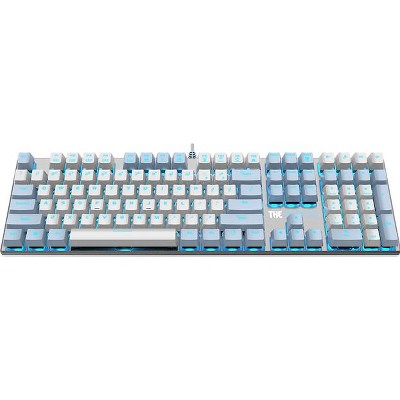
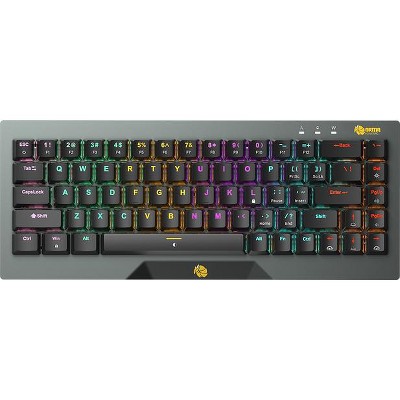
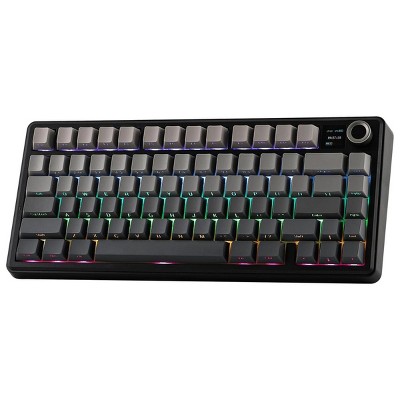
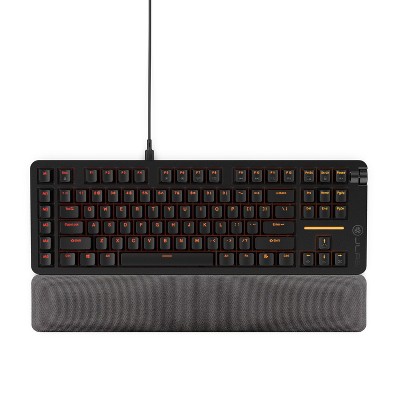
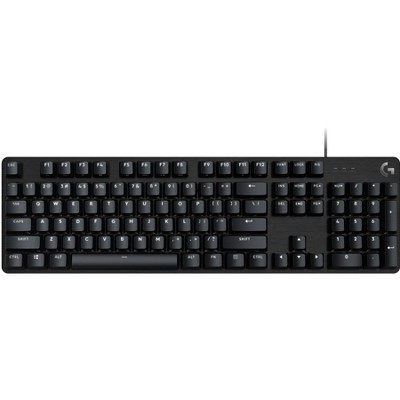
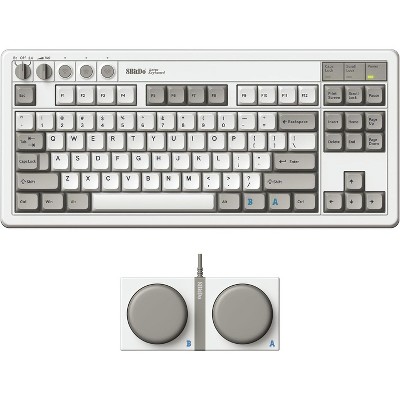
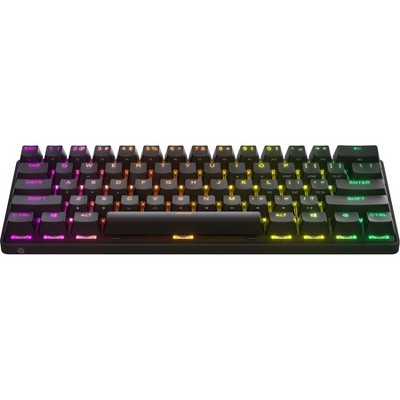
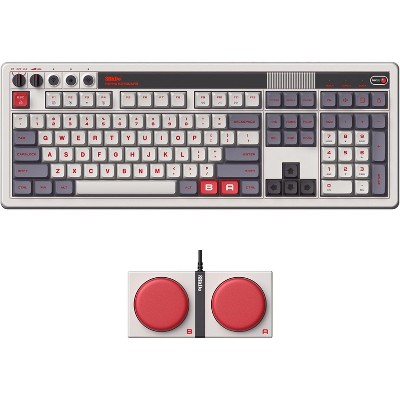
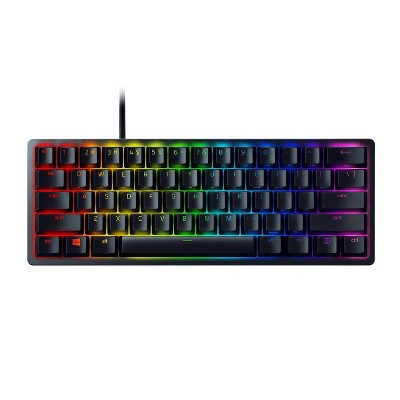
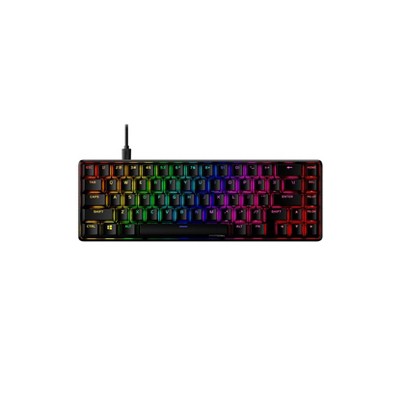
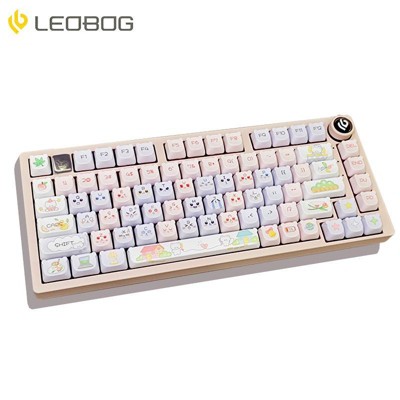
Wired gaming keyboards are available in a range of layouts: compact 60% and 75% models for minimal footprint, mid-compact layouts (around 84–87 keys), and fuller layouts that extend to roughly 105–110 keys. Choose a layout based on how many dedicated keys and navigation clusters you need.

Most wired gaming keyboards connect via USB using either USB-A or USB-C connectors. Many models include a detachable USB-A-to-C or USB-C cable for easier transport and cable replacement.

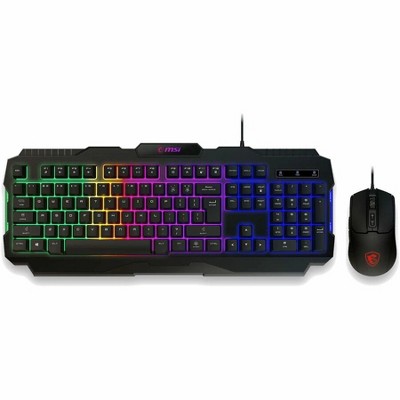
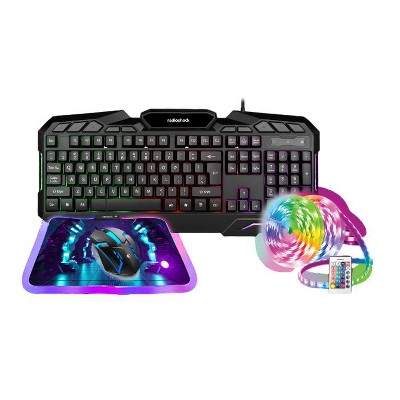
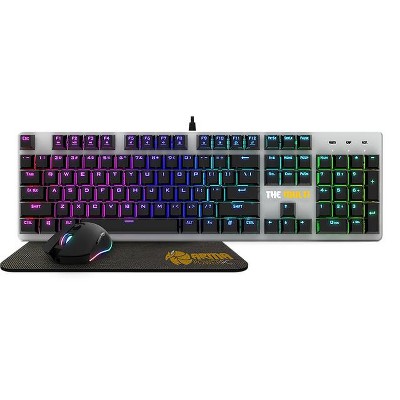
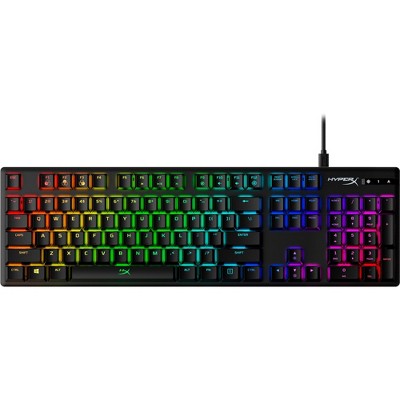
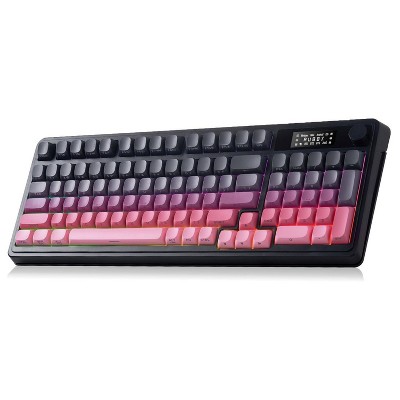
Backlighting ranges from simple multi-color LED schemes to decorative neon/lightbox effects and full-spectrum per-key RGB. Per-key RGB lets you customize millions of colors and create programmable lighting profiles.

Manufacturers commonly rate switches from about 50 million up to around 100 million keystrokes; some switches are specifically rated near 70 million clicks. Actual lifespan depends on switch type and usage.

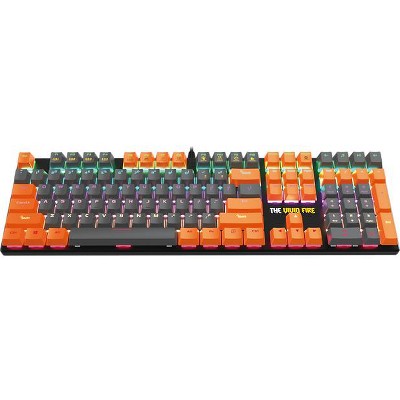
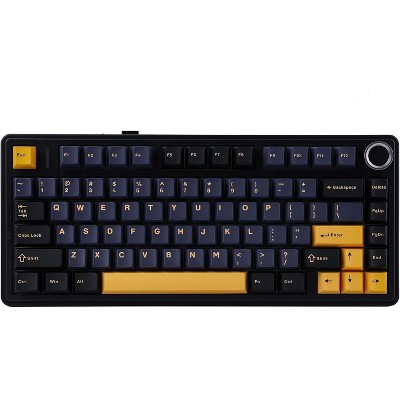
Keycaps are typically made from ABS or double-shot PBT, while chassis materials range from aluminum to aluminum–magnesium alloys. These material choices affect durability, weight, and feel.

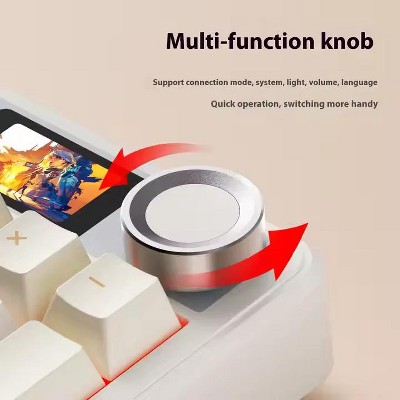
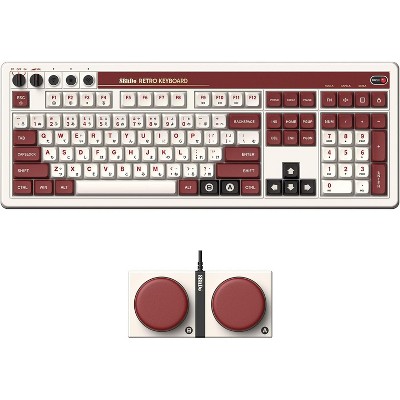
Many wired gaming keyboards include media and lighting controls or hotkeys, dedicated media keys or volume dials/knobs, USB passthrough, game-mode functions, and sometimes onboard profile storage for saved settings.

Recommendations for you

Skip to next section

Get top deals, latest trends, and more.