Target New ArrivalsBack to SchoolCollegeHalloweenClothing, Shoes & AccessoriesHome & DecorKitchen & DiningOutdoor Living & GardenGroceryHousehold EssentialsBabyBeautyPersonal CareSports & OutdoorsPetsHealthWellnessSchool & Office SuppliesToys & GamesElectronics & TechVideo GamesMovies, Music & BooksParty SuppliesGift IdeasGift CardsShop by CommunityTarget OpticalDealsClearanceNew ArrivalsBack to SchoolCollegeTop DealsTarget Circle DealsWeekly AdShop Order PickupShop Same Day DeliveryRegistryRedCardTarget CircleFind Stores

cacti soil

324 results for “cacti soil”

Scotts Natural Grass Food

3 Farm Daughters High Fiber Cavatappi Pasta - 12oz

$3.14($0.26/ounce)
reg $4.49
Sale

Sponsored

Sponsored

Powered by AI

Guests also ask:

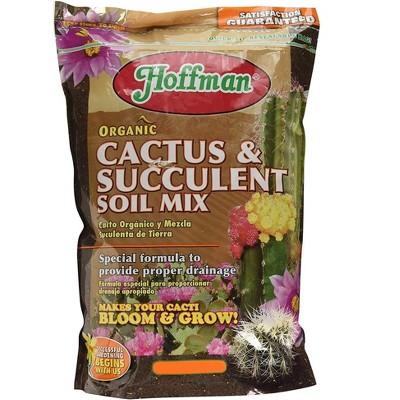
Common cactus and succulent mixes combine coarse drainage materials with organic components. Typical ingredients include perlite and sand for drainage and aeration, coarse components such as aged bark, and organic matter like peat moss or compost; some blends also add dolomitic limestone to help balance pH and include slow‑release plant food.

Some mixes include dolomitic limestone to help balance soil pH. Other common amendments, such as horticultural perlite, are pH neutral and therefore compatible with most cactus soil formulations.

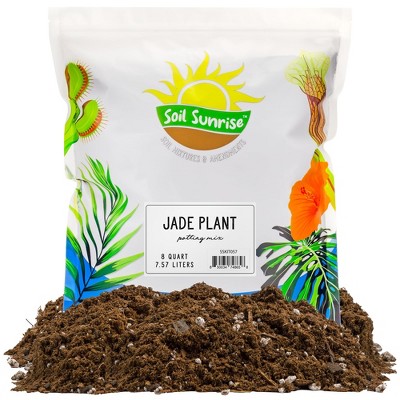
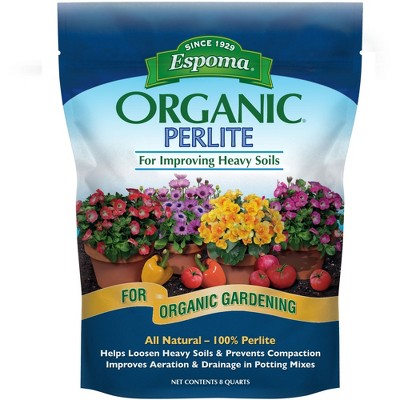
An 8‑quart bag will generally fill about two 8‑inch pots or around five 6‑inch pots, though exact coverage depends on the size of the plant root balls and how full you fill each container.

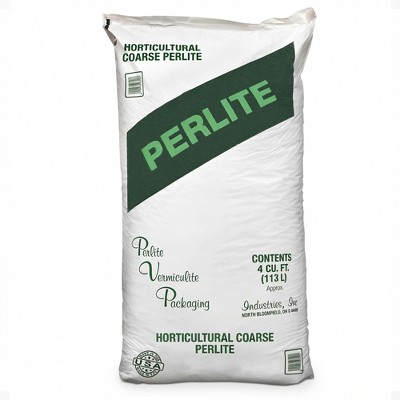
Perlite increases drainage and aeration by creating and holding air spaces in the mix. It helps prevent compaction, retains some moisture while improving oxygen access for roots, and contributes to the fast‑draining structure succulents and cacti need.

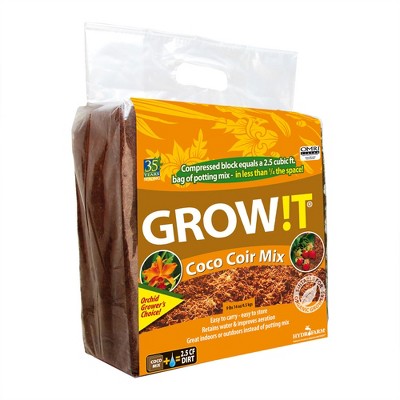
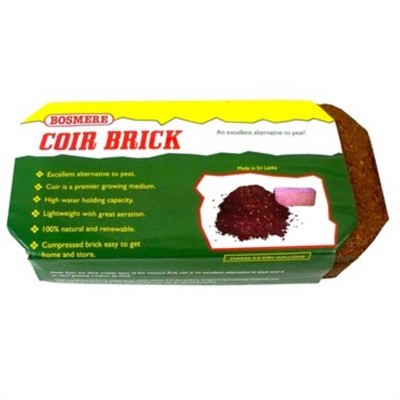
Coconut coir is presented as a sustainable, peat‑free alternative with good water‑holding capacity and adequate air space for drainage. It’s commonly sold as compressed bricks that are rehydrated before use and is often washed to reduce salts.

Perlite for cactus and succulent mixes is available in coarse grades and blended sizes. Described particle sizes range roughly from about 1/16 inch up to 1/2 inch, with some large coarse grains around 3/8 inch used to maximize drainage and aeration.

Customer summaries indicate these mixes perform well for cacti, succulents, and transplanting. Reviewers frequently cite organic components such as perlite, sand, bark, and added plant food as positive features that contribute to quality and drainage.

Get top deals, latest trends, and more.