cat balm
1,000+ results for “cat balm”
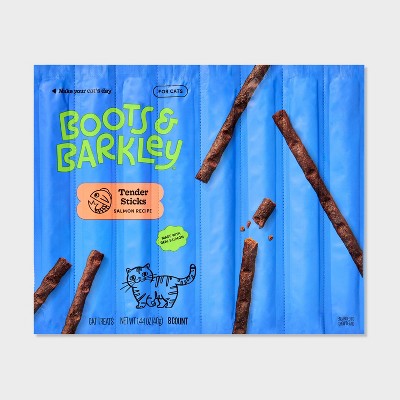
$1.99($0.66/ounce)
Loved for: taste appeal
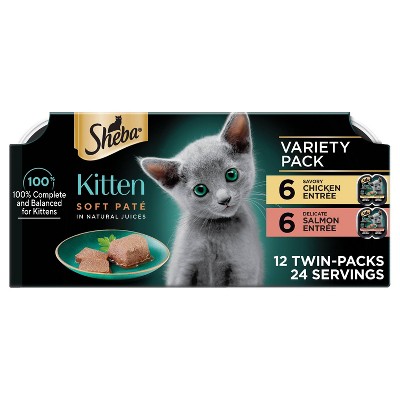
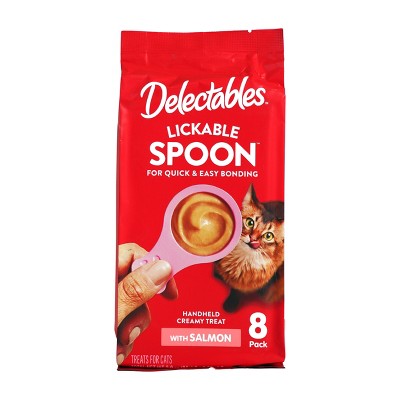
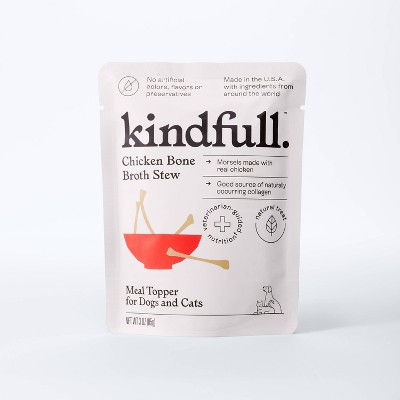
$5.99($2.14/ounce)
Loved for: lickable design
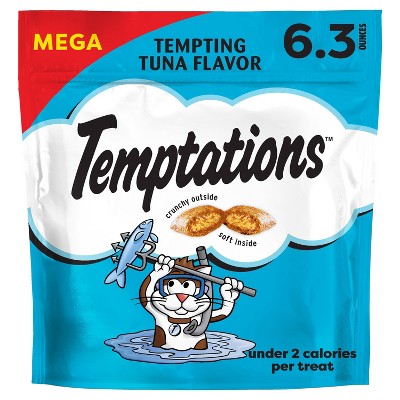
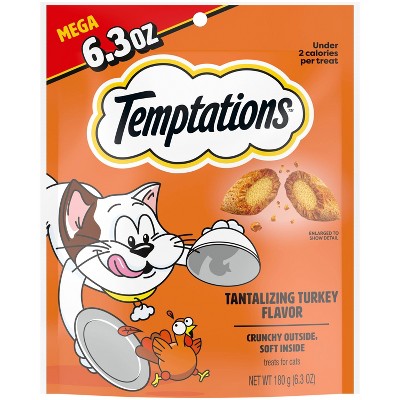
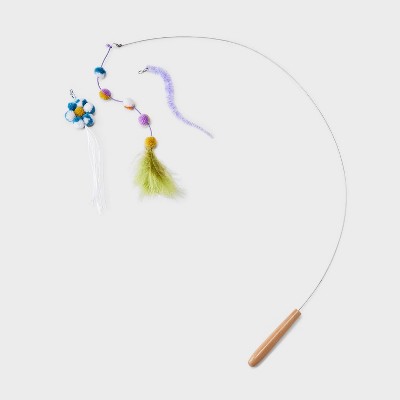
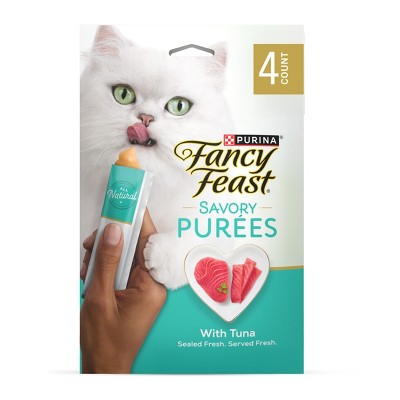
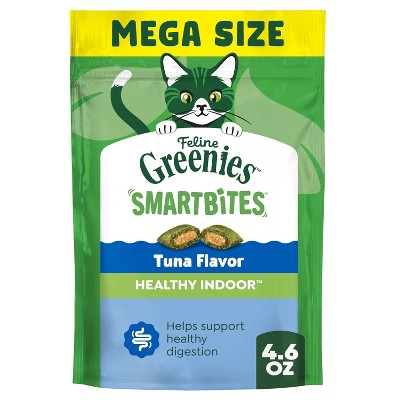
$3.29 - $5.79
Loved for: great flavor
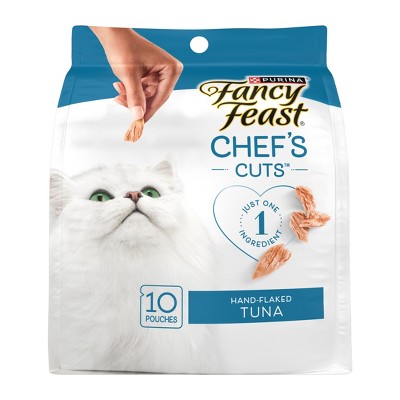
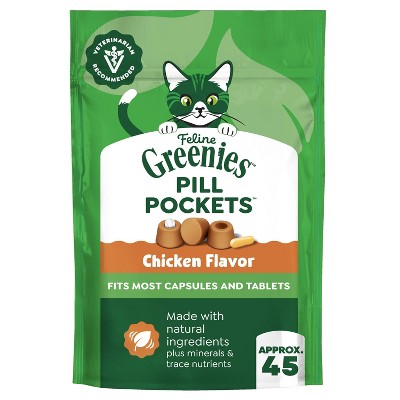
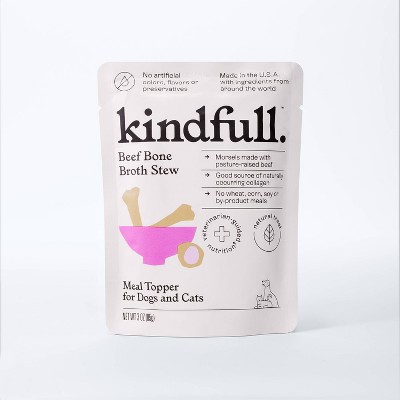
$1.99($0.66/ounce)
Loved for: taste appeal
Sponsored
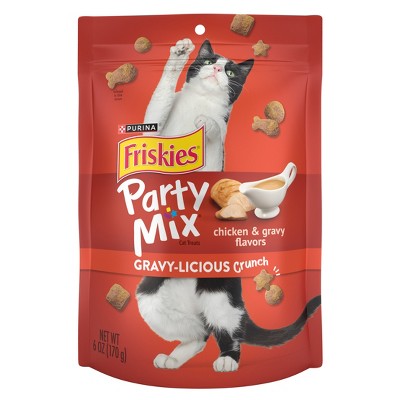
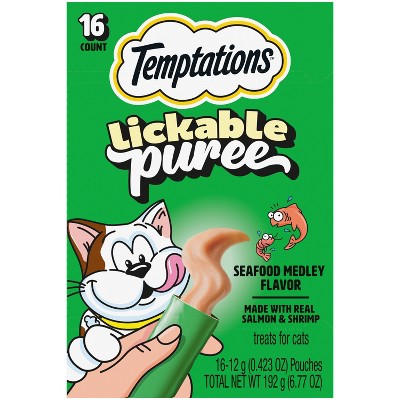
$8.39($1.25/ounce)
Loved for: chicken flavor
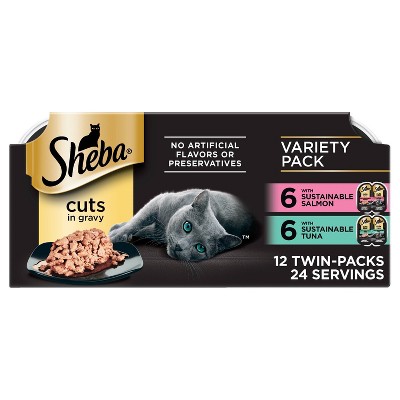
$14.99($0.47/ounce)
Loved for: flavor variety
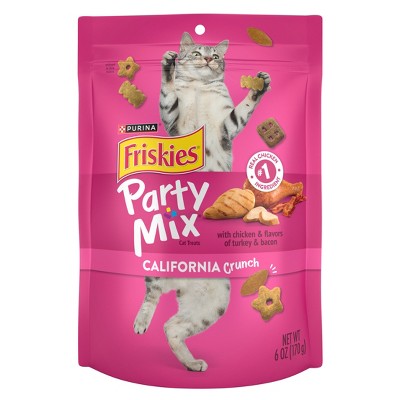
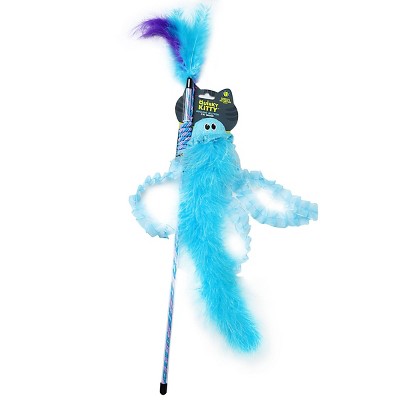
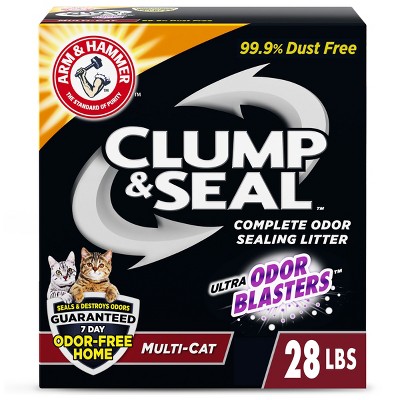
Loved for: great clumping
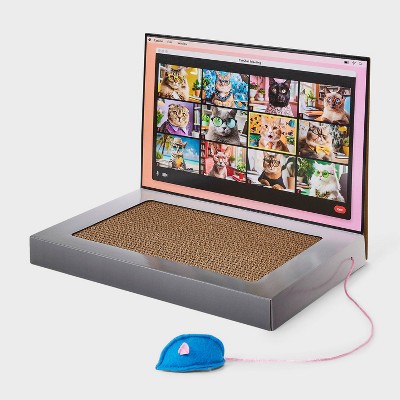
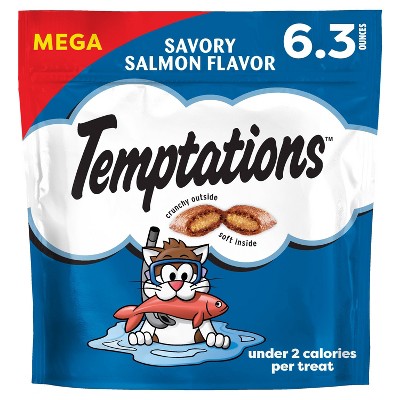
$3.99($0.63/ounce)
Loved for: great flavor variety
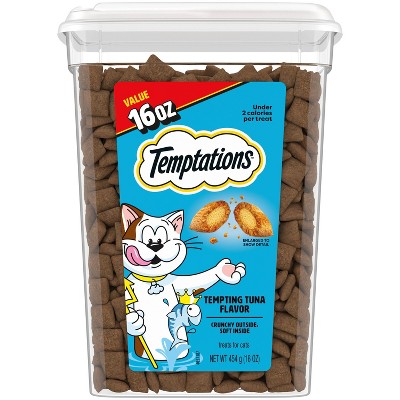
$8.49($0.53/ounce)
Loved for: great flavor variety
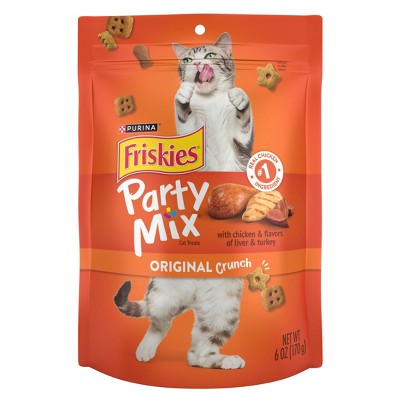
Sponsored
Powered by AI
Guests also ask:
Trending now
- See price in cartBuy 1 get 1 30% off pet toys, accessories & rawhides4.9 out of 5 stars with 184 ratings
- Bestseller$9.99Buy 1 get 1 30% off pet toys, accessories & rawhides4.9 out of 5 stars with 100 ratings
- $7.59Buy 1 get 1 30% off pet toys, accessories & rawhides5 out of 5 stars with 47 ratings
- $12.99Buy 1 get 1 30% off pet toys, accessories & rawhides5 out of 5 stars with 95 ratings
- $15.99 - $24.99Buy 1 get 1 30% off pet toys, accessories & rawhides4.8 out of 5 stars with 167 ratings
- $9.99Buy 1 get 1 30% off pet toys, accessories & rawhides4.7 out of 5 stars with 26 ratings
- $14.99 - $16.49Buy 1 get 1 30% off pet toys, accessories & rawhides4.6 out of 5 stars with 55 ratings
- $7.99 - $17.99
- $7.99 - $17.99
- $11.95 - $27.95
- $11.95 - $27.95
- $11.95 - $27.95